Graco ToughTek P20: Full Spec, Parts and Common Failure Points
James Anderson
Editorial Contributor
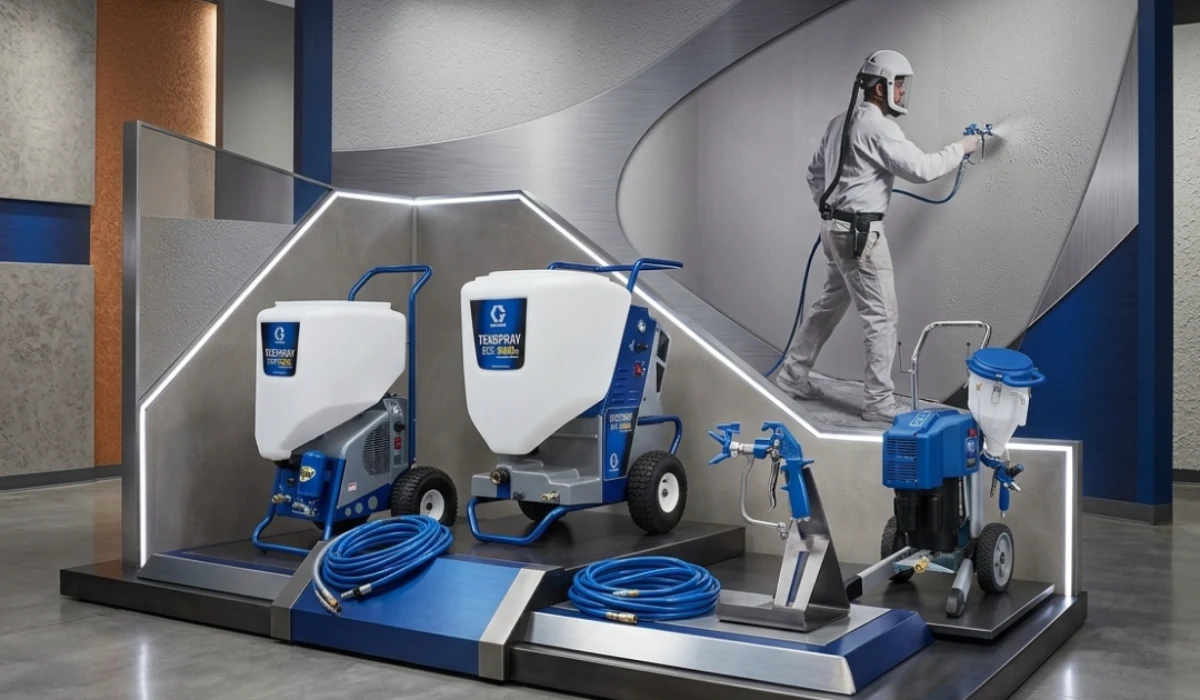
Texture spraying puts different demands on equipment than painting does, and the Graco ToughTek P20 was built specifically around that difference. If you have only ever used a standard paint sprayer, moving to a texture rig like the P20 for the first time can be a bit of an adjustment, since the material behaves differently, the pump works harder, and the parts that tend to wear are not always the same ones you are used to checking.
Whether you are considering a P20 for an upcoming project or already own one and are trying to figure out why it is not performing the way it used to, understanding what this machine is built for makes the rest a lot easier to work through.
What the P20 Is Built For
The ToughTek P20 is designed for spraying texture materials, things like drywall mud, popcorn ceiling compound, and similar coatings that are considerably thicker and more abrasive than standard paint. This is an important distinction because texture material behaves very differently moving through a pump than latex or stain does.
Texture compounds are often loaded with aggregate, small particles that give the finished texture its rough or stippled appearance. Those particles are abrasive to internal pump components in a way that smooth liquid paint is not, which is why texture sprayers like the P20 are built with this kind of wear in mind, rather than being a standard paint sprayer pressed into a job it was never designed for.
Using a machine that is not built for texture work, or expecting a texture sprayer to perform identically to a paint sprayer, is one of the more common sources of frustration for people newer to this type of work. The P20 exists specifically to handle that difference well.
Where Wear Actually Shows Up
Because of the abrasive nature of texture material, wear patterns on a machine like the P20 look a little different than what you would expect from a standard paint sprayer, and it helps to know what to check first.
The pump components that come into direct contact with material see accelerated wear compared to a paint sprayer pump, simply because the aggregate in texture compounds is harder on internal surfaces than smooth liquid paint. If you are noticing reduced output or inconsistent texture application over time, pump wear is often the first place to look, even before assuming something else has failed.
Hoses and fittings also see more stress with texture material than with paint, partly due to the thicker consistency requiring more pressure to move through the system, and partly due to the abrasive quality of the material itself gradually wearing internal hose surfaces. Regular inspection of hose condition matters more with texture work than it does with standard paint spraying, where hoses tend to last considerably longer under comparable use.
Tips and nozzles wear faster too, for the same reason pump components do. If your texture pattern is coming out inconsistent or thinner than expected, a worn tip is a likely culprit, similar to how tip wear affects a paint sprayer's fan pattern, just accelerated by the more abrasive material passing through it.
Common Issues and What They Usually Mean
A few specific symptoms come up often enough with texture sprayers to be worth knowing in advance.
Inconsistent texture output, where the pattern varies noticeably across a surface without any change in technique, often points to either tip wear or a partial clog from material that has started to dry within the system. Texture compounds dry and set differently than paint, which makes thorough cleaning between uses more important than it is with standard paint work, since dried material left in the system is a common source of inconsistent output on the next job.
Reduced pressure or output over time, similar to a paint sprayer, often traces back to pump wear given the abrasive nature of the material being pumped. This is a more expected wear pattern on a texture machine than it would be on a paint sprayer used for a comparable amount of time, simply because of what the machine is processing.
Difficulty priming or starting a spray pattern can result from dried material blocking part of the system, which circles back to the importance of thorough cleaning immediately after use rather than letting material sit in the machine between jobs.
Maintenance Habits That Actually Matter Here
Texture equipment rewards a level of cleaning discipline that paint sprayers are more forgiving about skipping occasionally. Flushing the system thoroughly immediately after each use, rather than at the end of a work day after multiple jobs, prevents the dried material buildup that causes a large share of texture sprayer problems.
Checking tip condition more frequently than you might with a standard paint sprayer also makes sense given the accelerated wear texture material causes. A tip that would still have useful life left on a paint job may already be showing meaningful wear on a texture job, simply due to the difference in what is passing through it.
Getting the Right Parts
If you are working on a P20 and trying to figure out which components are showing wear, a resource built around graco texture sprayer parts is a more reliable starting point than a general parts search, since texture equipment uses components sized and rated differently than standard paint sprayer parts even when they look similar at first glance.
For anyone trying to confirm original specifications or track down a part number from documentation rather than guessing, checking against graco manuals is worth doing before ordering, since it confirms exactly which components your specific unit was built with rather than relying on a general description of the model line.
Deciding If the P20 Is the Right Fit
Not every texture job justifies owning a dedicated machine like the P20, and it is worth being honest about that before buying one. Someone doing a single ceiling patch or a small repair job is often better off renting equipment or hiring the work out, since the cost of owning and maintaining a texture sprayer only makes sense once you are running enough texture work to justify it.
For contractors who regularly bid texture jobs alongside standard painting work, owning a dedicated machine like the P20 avoids the cost and scheduling hassle of renting for every job, and it means the equipment is set up and maintained the way you actually want it, rather than dealing with whatever condition a rental unit happens to be in. The break even point varies by how often you actually take on texture work, but for crews doing it more than occasionally, the math tends to favor ownership fairly quickly.
The Takeaway
The ToughTek P20 is a capable machine for texture work specifically because it is built around the demands that texture material places on a sprayer, not because it is a paint sprayer that happens to also handle texture. Understanding that distinction, and adjusting maintenance habits accordingly, particularly around cleaning and tip inspection, is what keeps a texture sprayer performing well over its working life instead of wearing out faster than it should.
James Anderson
Passionate about transforming houses into inspired homes. Writing about practical DIY guides, interior design, and outdoor living.