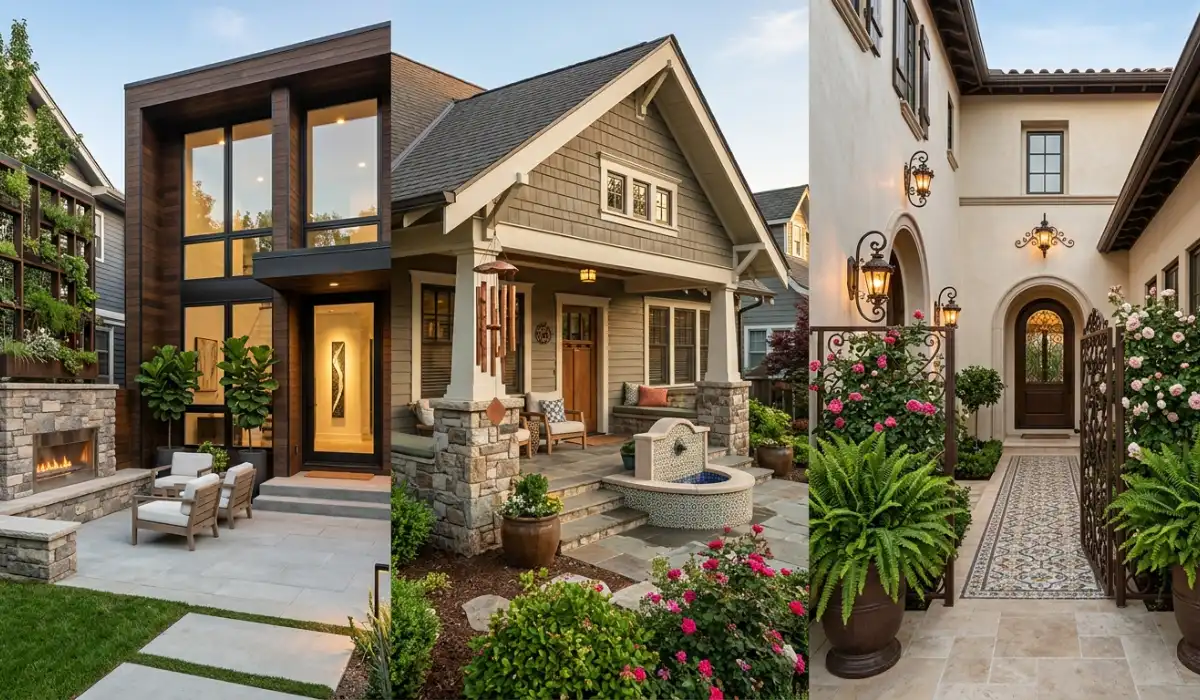
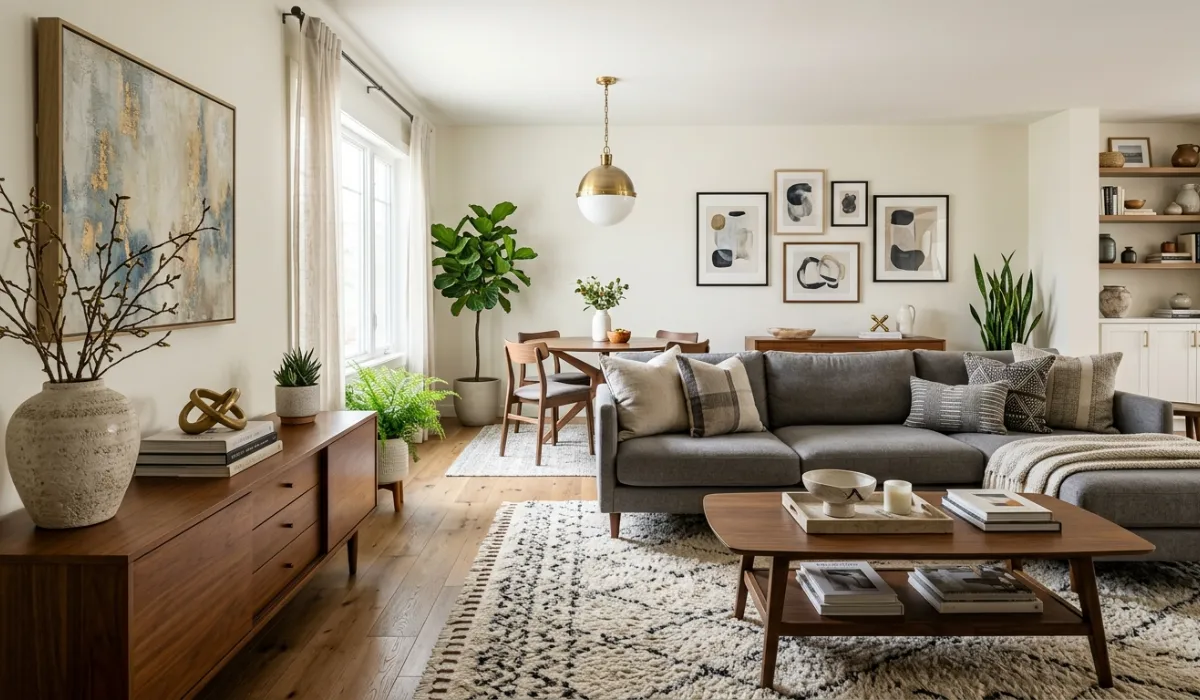
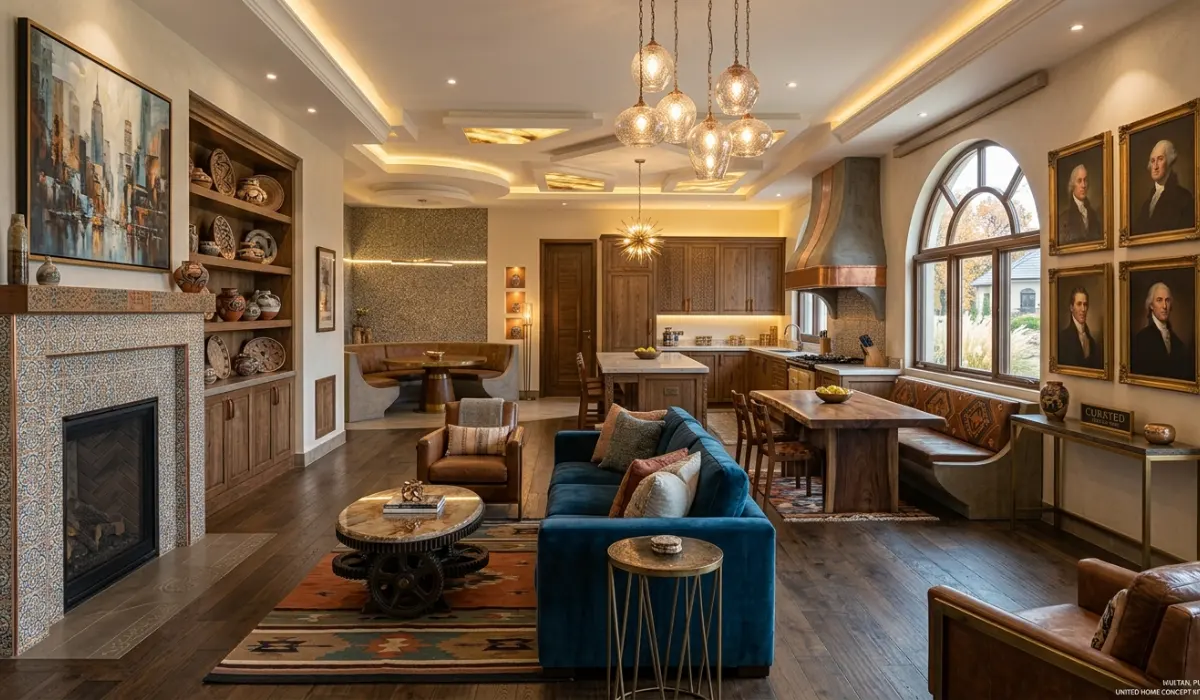
Decoradhouse: Smart Home Styling and Upgrade Ideas for Modern Living
James Anderson
Editorial Contributor
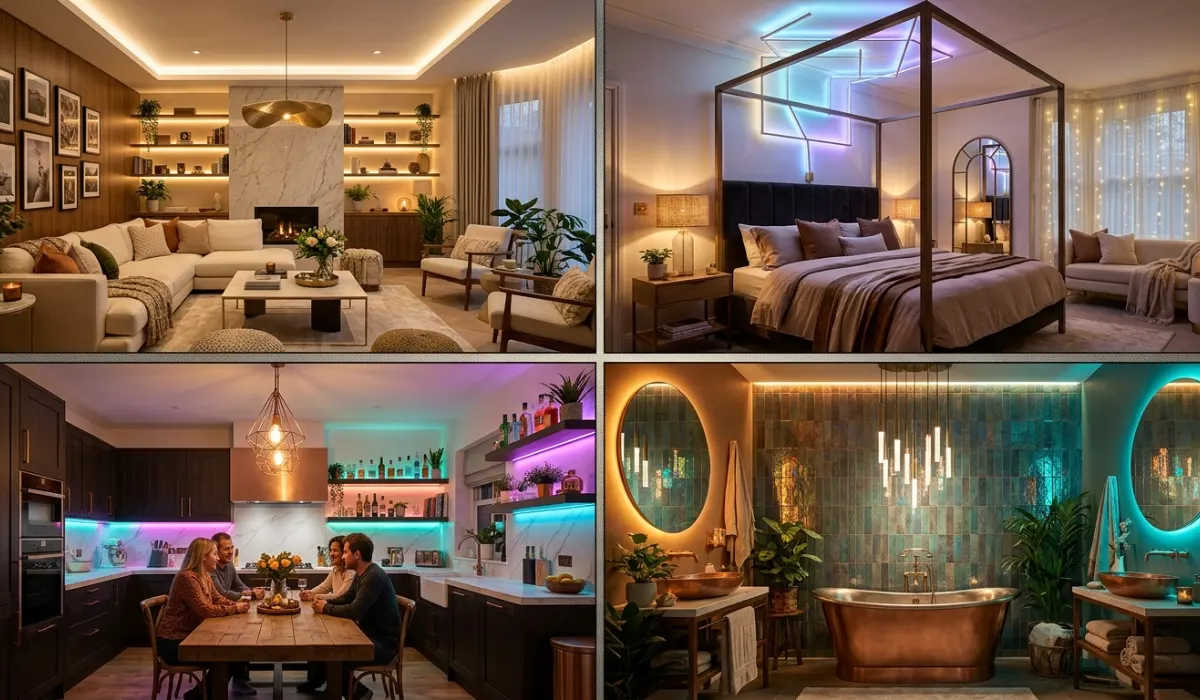
Decoradhouse is a practical approach to creating a home that feels attractive, comfortable, organized, and easier to live in. Instead of treating decoration as a collection of objects, it combines styling with better layouts, useful storage, suitable lighting, durable materials, and thoughtful upgrades.
The strongest home improvements do not always require a complete renovation. Sometimes moving furniture, improving a dark corner, changing storage, adding greenery, or repairing a worn surface can make a room significantly more functional. This guide explores how to approach home styling and improvements strategically so that every change has a clear purpose.
Why Decoradhouse Is More Than Simple Home Decoration
Modern home design increasingly involves the relationship between appearance and everyday function. A room may look beautiful but still be inconvenient if furniture blocks movement, storage is inadequate, lighting is poor, or frequently used items are difficult to reach.
A more practical design process begins by identifying what is not working. Once those problems are understood, decoration can reinforce the solution instead of simply covering an existing weakness.
The Three Priorities of Practical Home Styling
A useful way to evaluate any room is to consider three elements:
- Function: Can the room support its main activities efficiently?
- Comfort: Does the space feel pleasant and easy to use?
- Visual balance: Do furniture, colors, textures, and accessories work together?
When these three elements support one another, the result feels intentional rather than overdecorated.
How to Plan a Decoradhouse Project Before Buying Anything
One of the easiest ways to waste money on home improvements is to shop before establishing a plan. A better approach is to inspect the room, identify its problems, measure the available space, and determine which improvements will have the greatest effect.
Take photographs from several angles and observe the room at different times of day. Natural light, traffic patterns, storage problems, and furniture proportions become much easier to understand when you look at the space objectively.
Create a Priority List for Each Room
Separate improvements into three categories: essential repairs, functional upgrades, and decorative finishing touches. This prevents attractive but low-value purchases from consuming the budget before important problems are solved.
For example, repairing damaged flooring should generally come before purchasing decorative accessories. Similarly, inadequate lighting should be addressed before adding artwork to a dark wall.
Decoration Tips Decoradhouse for a More Balanced Interior
Good decoration depends more on proportion and placement than on the number of accessories in a room. A carefully positioned rug, lamp, artwork, or plant can have more visual impact than several unrelated decorative objects.
Use a consistent color foundation and introduce contrast through texture, shape, and carefully selected accents. This creates visual interest without making the room feel chaotic.
Use Texture Instead of Too Many Decorative Objects
Texture can come from rugs, curtains, cushions, natural wood, woven materials, ceramics, stone, or upholstery. Combining different surfaces gives a room depth while keeping the overall palette controlled.
Leave some surfaces intentionally empty. Negative space allows important furniture and decorative pieces to stand out instead of competing for attention.
Decoradhouse Garden Tips for a More Useful Outdoor Space
Outdoor areas should be considered part of the home's living environment rather than an afterthought. A practical garden combines planting, circulation, seating, privacy, shade, and maintenance requirements.
Start by identifying how much sunlight each area receives and where people naturally walk. This information helps determine where plants, seating, pathways, and outdoor features should be positioned.
Improve Garden Layout Before Adding More Plants
Adding plants to every empty space can eventually create maintenance problems and make pathways difficult to use. Instead, establish clear planting zones and leave sufficient space for movement.
Use different plant heights to create depth. Taller plants can provide privacy, medium-height greenery can frame seating, and lower plants can soften pathway edges.
Garden Tips Decoradhouse for Everyday Comfort
A successful garden should be enjoyable on an ordinary day, not only when guests visit. Comfortable seating, accessible pathways, appropriate shade, and manageable planting can make an outdoor area much more useful.
Consider where you naturally want to sit, where the afternoon sun falls, and which areas need protection from wind or unwanted views. These observations are often more valuable than following a particular landscaping trend.
Make Outdoor Maintenance Part of the Design
Before choosing plants or garden features, consider how much time you realistically want to spend maintaining them. A beautiful garden that requires constant pruning and watering may become difficult to manage.
Choose plant varieties and outdoor materials according to local conditions, available water, sunlight, and the amount of maintenance you can provide.
Decoradhouse Renovation Tips That Improve Function First
Renovation should solve problems rather than simply change appearances. A new finish will not fix an inefficient layout, insufficient storage, poor ventilation, or inadequate lighting.
Before beginning major work, identify what currently frustrates you about the room. Then determine whether the problem can be solved through rearrangement, a smaller upgrade, or actual construction.
Fix Layout Problems Before Choosing Finishes
Furniture placement, door swings, circulation routes, and access to storage can influence how efficiently a room works. If these elements are wrong, expensive finishes will not make the room genuinely functional.
For larger renovation projects, consider plumbing, electrical requirements, structural conditions, ventilation, moisture exposure, and building requirements before finalizing the design.
Know When a Renovation Needs Professional Help
Cosmetic projects can often be handled independently when appropriate skills and tools are available. Structural modifications, significant electrical work, plumbing, gas systems, roofing, and complicated drainage should receive suitable professional attention.
The goal is not to avoid DIY work. It is to match the complexity and risk of the project with the appropriate level of expertise.
Decoradhouse Upgrade Tips for High-Impact Changes
A home does not need a complete makeover to feel different. Small upgrades can improve the experience of a room when they target something people interact with every day.
Replacing outdated hardware, improving task lighting, adding useful storage, upgrading worn textiles, or changing an inefficient furniture arrangement can produce noticeable results.
Choose Upgrades Based on Daily Use
Ask how frequently you interact with the feature before deciding how much to spend. A kitchen cabinet used dozens of times a day deserves more attention than a decorative object that is rarely noticed.
This approach helps homeowners spend money where it creates measurable convenience rather than simply adding visual novelty.
How to Decorate My House Decoradhouse Without Creating Clutter
A common decorating mistake is assuming that every empty surface needs something on it. In reality, an uncluttered room often feels more sophisticated because important elements have room to breathe.
Start by removing items that are damaged, duplicated, rarely used, or unrelated to the room. Then return only the pieces that contribute to function, personality, comfort, or visual balance.
Use a Simple Layering Method
Build a room in layers rather than purchasing everything simultaneously. Begin with essential furniture, then add lighting, textiles, greenery, artwork, and a small number of accessories.
This approach makes it easier to identify when the room feels complete. It also reduces impulse purchases that later become clutter.
Upgrades Decoradhouse for Better Everyday Living
The best upgrades are often invisible improvements that make routines easier. Better storage can reduce time spent searching for belongings, while improved lighting can make cooking, reading, working, and cleaning more comfortable.
Think about friction points in your daily routine. If shoes accumulate beside the entrance, improve entryway storage. If kitchen counters constantly become crowded, reconsider cabinet organization or storage capacity.
Improve Storage Where Clutter Appears First
Storage should be positioned close to the activity it supports. Frequently used kitchen items should remain accessible, while seasonal belongings can occupy less convenient storage.
Use vertical space where appropriate, but avoid filling every wall with shelving. Storage works best when it reduces visual clutter without making the room feel crowded.
Home Upgrade Tips Decoradhouse for a More Efficient Home
Home improvements become more valuable when they improve comfort and efficiency simultaneously. Better lighting, improved insulation, efficient storage, durable surfaces, and appropriate ventilation can affect everyday living more than purely decorative changes.
When considering a larger project, think about long-term performance. A material that costs slightly more but lasts longer or requires less maintenance may provide better value over time.
Consider Maintenance Before Choosing Materials
Every finish has maintenance requirements. Some surfaces require frequent cleaning or refinishing, while others are easier to maintain under heavy household use.
Consider moisture, sunlight, children, pets, foot traffic, and cleaning habits before selecting materials. The most attractive option is not necessarily the most practical one.
Living Room Ideas That Make the Space Feel More Intentional
The living room usually has multiple functions, including relaxation, conversation, entertainment, and sometimes work. Furniture should therefore be positioned around the room's primary activities rather than simply pushed against walls.
Create a clear focal point and arrange seating so that conversation remains comfortable. A rug can visually connect furniture, while layered lighting can make the room usable at different times of day.
Improve Living Room Lighting in Layers
Combine general illumination with task and accent lighting where possible. Floor lamps, table lamps, wall fixtures, and appropriately positioned ceiling lights can create different levels of brightness.
Avoid depending entirely on a single overhead fixture. Multiple light sources make it easier to change the atmosphere without redesigning the room.
Bedroom Improvements for Better Comfort and Visual Calm
Bedrooms benefit from restraint. Excess furniture, bright lighting, unnecessary accessories, and visible clutter can make the room feel less restful.
Prioritize the bed, circulation, storage, window treatments, and bedside lighting. Once those elements work properly, decorative additions can be introduced selectively.
Make Bedside Storage More Functional
A bedside surface should accommodate the items you actually use rather than becoming a permanent storage area. A drawer, shelf, or small cabinet can help keep everyday essentials organized.
Consider the height and reach of bedside furniture as well. Function should guide the choice instead of selecting a piece purely because it looks attractive.
Kitchen Improvements That Support Better Workflow
A kitchen is a work environment as much as a decorative space. The relationship between food storage, preparation, cooking, cleaning, and frequently used equipment affects how efficiently the room functions.
Keep commonly used items accessible and reduce unnecessary movement between work areas. Countertops should provide enough usable preparation space instead of becoming permanent storage for appliances.
Improve Cabinet and Countertop Organization
Group items according to how they are used. Cooking utensils, preparation tools, dishes, and food-storage containers can each have dedicated areas that make everyday routines faster.
Under-cabinet lighting can also improve task visibility without occupying countertop space. Small organizational changes can therefore produce both functional and visual benefits.
Bathroom Upgrades That Improve Cleanliness and Usability
Bathrooms often benefit from targeted improvements rather than excessive decoration. Better mirror lighting, practical storage, durable surfaces, and easy-to-clean finishes can make a small room feel considerably more useful.
Pay attention to moisture management. Persistent leaks, damaged caulk, mold, poor ventilation, or water penetration should be addressed rather than concealed with decorative changes.
Choose Bathroom Materials for Moisture Exposure
Bathroom surfaces must tolerate humidity and repeated cleaning. Select finishes according to their intended application and maintenance requirements.
Storage should also keep frequently used products accessible without covering every visible surface. Closed storage can be particularly useful for maintaining a cleaner visual appearance.
Entryway Styling Ideas for a More Organized First Impression
The entryway establishes the transition between the outside world and the rest of the home. It should therefore provide practical storage while remaining easy to navigate.
A bench, hooks, shoe storage, mirror, small console, or closed cabinet can be useful depending on available space. The key is avoiding an arrangement that turns the entrance into a permanent drop zone.
Create a Drop Zone for Everyday Essentials
Give commonly misplaced items a defined location. Keys, shoes, bags, umbrellas, and outerwear are easier to manage when the storage solution is positioned exactly where they are normally removed.
This small organizational improvement can have an effect beyond the entryway because it prevents clutter from spreading into other rooms.
How to Make Decoradhouse Improvements Work on a Limited Budget
A restricted budget does not mean a home has to remain unchanged. The priority should be improvements that solve noticeable problems and provide frequent benefits.
Start with cleaning, decluttering, furniture rearrangement, repairs, lighting adjustments, and improvements to existing storage. Then move toward larger purchases only after determining what the room still lacks.
| Budget Priority | Best Starting Improvements | Expected Benefit |
| Low | Decluttering, cleaning, rearranging | Better space and visual clarity |
| Moderate | Lighting, textiles, storage, plants | More comfort and personality |
| Higher | Flooring, furniture, fixtures | Greater durability and usability |
| Major | Layout changes, outdoor structures, full renovation | Significant functional transformation |
Spend More on High-Use Features
It often makes sense to invest more in items that receive constant use, such as seating, mattresses, kitchen fixtures, flooring, task lighting, or storage systems.
Decorative accessories can usually be purchased gradually. This prevents the budget from being consumed by items that look attractive but provide limited everyday value.
A Room-by-Room Decoradhouse Improvement Checklist
Before finishing a project, review each room from a functional perspective. Ask whether the space is easier to use, easier to clean, and more comfortable than it was before.
A useful final check includes:
- Clear pathways between frequently used areas
- Adequate lighting for different activities
- Storage close to where items are used
- Furniture that fits the room proportionally
- Materials appropriate for the environment
- Controlled visual clutter
- Comfortable seating and working surfaces
- A manageable maintenance routine
This checklist helps prevent the common mistake of judging a renovation only by photographs.
Common Home Styling Mistakes to Avoid
One of the biggest mistakes is copying a design without considering the physical conditions of your own home. Room size, natural light, climate, household routines, existing architecture, and maintenance capacity all influence whether an idea will work.
Another mistake is changing too many things simultaneously. A staged approach makes it easier to evaluate individual improvements and prevents unnecessary spending.
Avoid Following Trends Without Considering Longevity
Trends can provide inspiration, but durable design should remain useful after the trend disappears. Neutral foundations, quality materials, adaptable furniture, and timeless layouts can provide a stronger base for occasional decorative changes.
Use fashionable colors or accessories as replaceable accents rather than building an entire renovation around a short-lived style.
How to Create a More Sustainable Home Improvement Plan
Sustainability does not require turning every room into an experimental project. Extending the life of existing furniture, repairing usable materials, choosing durable products, and avoiding unnecessary replacements are practical starting points.
Consider the lifespan and maintenance of a product before purchasing it. A durable item that remains useful for many years can be more sensible than repeatedly replacing inexpensive pieces.
Reuse Before You Replace
Before discarding furniture, examine whether cleaning, refinishing, repairing, or changing its hardware could restore it. This is particularly useful for solid tables, cabinets, chairs, frames, and other structurally sound pieces.
Reusing suitable items can also give a home more personality because older pieces often provide character that identical new products cannot reproduce.
A Practical Weekend Refresh for Your Home
Not every improvement needs to become a long renovation. A focused weekend can be enough to make one room feel noticeably better.
Start by removing clutter, deep-cleaning surfaces, and changing the furniture arrangement. Then improve lighting, organize storage, introduce one or two plants, and finish with a small number of decorative elements.
The important principle is to finish one space properly rather than starting several rooms and leaving each incomplete.
When a Small Upgrade Is Better Than a Full Renovation
Full renovations can be appropriate when a room has major functional, structural, or performance problems. But if the underlying space works reasonably well, a targeted upgrade may deliver a better return on time and money.
Replacing a damaged fixture, improving storage, changing lighting, or repairing a surface can sometimes solve the problem that initially made the room feel outdated.
Use a Simple Decision Test
Before approving a major project, ask:
- What specific problem am I trying to solve?
- Can rearrangement or repair solve it?
- Will the proposed change improve daily use?
- How much maintenance will it require?
- Is the expected benefit worth the cost and disruption?
If the answers are unclear, more planning may be needed before construction begins.
Frequently Asked Questions About Decoradhouse
What does Decoradhouse focus on?
Decoradhouse focuses on practical home styling, comfort, organization, garden improvements, renovations, and everyday upgrades. Its strongest approach is to combine appearance with functionality rather than treating decoration as purely visual.
How can I improve my home without renovating every room?
Start with the room that causes the most daily frustration. Improve its layout, storage, lighting, comfort, or worn surfaces before moving to another space.
What is the best way to decorate a home without making it cluttered?
Use fewer pieces and give each item a clear purpose. Build the room gradually around essential furniture, then introduce texture, plants, artwork, lighting, and selected accessories.
Should I replace old furniture during a home makeover?
Not necessarily. If the furniture is structurally sound, cleaning, repairing, refinishing, repainting, or replacing hardware may provide a better solution than buying an entirely new piece.
How can I make a garden easier to maintain?
Choose plants that suit the available sunlight and water conditions, establish clear planting areas, maintain accessible pathways, and avoid filling every available space with high-maintenance vegetation.
What should I prioritize during a home renovation?
Address structural, moisture, drainage, electrical, plumbing, ventilation, and safety concerns first. After those issues are resolved, focus on layout, finishes, furniture, lighting, and decoration.
How can I improve a home on a small budget?
Begin with free or inexpensive changes such as decluttering, rearranging furniture, cleaning, repairing existing items, and improving organization. Spend selectively on high-use improvements such as lighting, storage, or comfortable seating.
Are home trends important when planning a renovation?
Trends can provide inspiration, but they should not replace functional planning. Durable layouts, appropriate materials, comfortable furniture, and manageable maintenance generally provide more lasting value.
Conclusion
Decoradhouse works best as a practical philosophy for improving how a home looks and functions at the same time. Instead of buying decoration first, start by understanding the space, identifying everyday problems, measuring what you have, and deciding which improvements will produce the greatest benefit.
Whether you are updating a living room, organizing a kitchen, improving a bedroom, refreshing a bathroom, redesigning an entryway, or making a garden more comfortable, the same principle applies: function should support style, and style should reinforce function. With careful planning, appropriate materials, controlled decoration, and improvements based on real household needs, even modest changes can create a home that feels more comfortable, organized, durable, and enjoyable.
James Anderson
Passionate about transforming houses into inspired homes. Writing about practical DIY guides, interior design, and outdoor living.