Decoradyard Garden Tips: Smart Ideas for a Beautiful Yard
James Anderson
Editorial Contributor
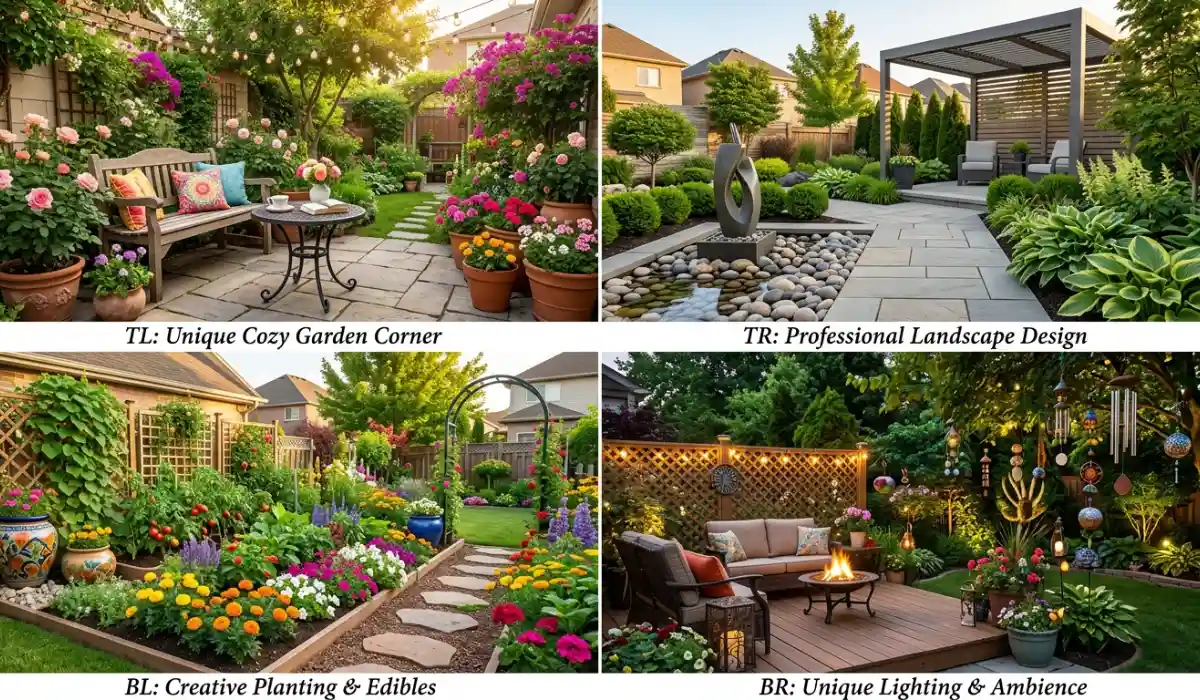
A beautiful garden is more than a collection of flowers, pots, and decorative objects. It is an outdoor environment where plant health, layout, comfort, drainage, lighting, and maintenance work together. The best Decoradyard garden tips focus on creating an attractive space that remains practical as plants mature and weather conditions change.
Instead of decorating first and solving gardening problems later, start by understanding your outdoor space. Observe sunlight, wind, soil, drainage, available water, and how you actually want to use the garden. This approach creates a landscape that looks intentional while remaining easier to care for over the long term.
Start With the Garden’s Natural Conditions
Before purchasing plants or decorative features, study the conditions already present in your yard. A garden that receives six hours of direct sunlight needs a different planting strategy from a shaded courtyard, while an area that stays wet after rain requires different solutions from a dry, exposed border.
Check Sunlight, Wind, and Drainage
Spend a day observing how sunlight moves across the garden. Mark areas receiving full sun, morning sun, afternoon shade, and deep shade because these differences can determine whether a plant thrives or struggles.
Drainage deserves equal attention. If water consistently collects in one area, investigate the cause before installing expensive plants or hardscape. Improving soil structure, creating a suitable planting bed, or redirecting runoff can prevent recurring problems.
Understand Your Soil Before Planting
Soil quality affects root development, water retention, nutrient availability, and overall plant performance. A basic soil test can reveal pH and nutrient conditions, helping you avoid adding fertilizers or amendments without knowing what the soil actually needs.
Where possible, improve soil gradually with suitable organic matter rather than relying heavily on synthetic fertilizer. Healthy soil supports stronger plants and can reduce some maintenance problems later.
Design a Garden Layout That Looks Good and Works Well
A successful garden needs more than attractive individual elements. The relationship between paths, planting beds, seating, focal points, containers, and open space determines whether the entire yard feels organized or crowded.
One of the most practical Decoradyard garden tips is to design around movement and purpose before adding decoration. Decide where people will walk, sit, work, entertain guests, and access plants for maintenance.
Create Functional Garden Zones
Consider dividing the garden into simple zones such as:
- A seating or relaxation area
- A primary planting border
- A pathway or circulation route
- A productive area for herbs or vegetables
- A decorative focal-point zone
- A storage or utility area
These zones do not need physical walls. Changes in paving, planting height, furniture placement, or edging can visually separate one area from another.
Design Paths for Everyday Movement
A path should be wide enough for comfortable movement and positioned so that it connects the places you actually use. Avoid creating beautiful but impractical routes that force people to walk across planting beds.
Choose paving materials according to local weather and expected use. Surfaces that become extremely slippery when wet or difficult to maintain can reduce the garden's practicality even when they look attractive initially.
Choose Plants According to Mature Size, Not Their Nursery Appearance
One common landscaping mistake is buying plants based on how large they look at the garden center. A small shrub can eventually become a large plant that blocks windows, crowds pathways, or overwhelms neighboring species.
Match Plants to Light and Moisture Requirements
Group plants with similar requirements together. Sun-loving plants should occupy brighter locations, while shade-tolerant species can fill areas beneath trees or beside structures.
This strategy reduces unnecessary watering and makes routine care easier because plants within the same zone can often follow similar maintenance schedules.
Think About Four-Season Garden Interest
A garden can remain attractive outside the peak flowering season by combining different forms of visual interest. Evergreen foliage, ornamental grasses, interesting bark, berries, seed heads, and seasonal flowers can work together to prevent the landscape from looking empty during quieter months.
Native and climate-adapted plants are particularly useful because they are often better suited to local environmental conditions. They can also provide habitat and food for birds, pollinators, and other beneficial wildlife.
Use Color and Texture Without Making the Garden Look Chaotic
Color is powerful, but using too many unrelated colors can make a small garden feel visually busy. Instead of selecting every plant individually, establish a simple palette and repeat a few complementary colors throughout the space.
Texture provides another layer of interest. Combine broad leaves with fine foliage, smooth containers with rough stone, and soft ornamental grasses with structured shrubs to create contrast without relying entirely on flowers.
Repeat Key Plants and Materials
Repetition creates visual continuity. Using the same plant, edging material, container style, or paving finish in several locations helps connect different parts of the garden.
This is more effective than filling every corner with a different decorative object. A consistent design language makes even a modest garden appear more intentional.
Make Small Gardens Feel Larger Without Wasting Space
Small yards require careful use of vertical and horizontal space. Instead of filling the ground with too many containers, use trellises, wall planters, hanging baskets, and climbing plants to move some visual interest upward.
Mirrors and reflective surfaces can also create an impression of depth when positioned thoughtfully. However, avoid placing reflective surfaces where they create excessive glare or confuse birds.
Use Multi-Functional Garden Features
Furniture can serve more than one purpose. A bench with concealed storage, a raised planter that doubles as a boundary, or a trellis that provides both privacy and growing space can make a compact garden more efficient.
Keep open areas around seating and pathways. A small garden often feels larger when there is intentional empty space rather than when every available surface is decorated.
Add Decorative Elements That Also Serve a Purpose
Garden décor should ideally contribute something beyond appearance. Functional decoration can provide structure, define boundaries, improve safety, support plants, or make outdoor living more comfortable.
Useful options include:
- Raised or decorative planters
- Natural stone edging
- Trellises and plant supports
- Mulch or decorative gravel
- Weather-resistant seating
- Solar or low-voltage pathway lighting
- Privacy screens
- Water features designed for easy maintenance
These elements should complement the planting scheme instead of competing with it.
Create One Strong Focal Point
Every garden benefits from a visual anchor. This could be a specimen tree, attractive planter, water feature, sculpture, seating area, or particularly interesting planting combination.
A common mistake is creating several competing focal points. Choose one dominant feature and allow supporting plants and décor to guide attention toward it.
Improve Garden Lighting for Safety and Evening Atmosphere
Outdoor lighting can transform how a garden looks after sunset, but effective lighting is not simply about making everything brighter. Different lighting layers can serve different purposes.
Path lighting improves visibility, accent lighting highlights trees or architectural features, and softer ambient lighting makes seating areas more comfortable. Avoid placing bright fixtures directly at eye level because glare can reduce visibility.
Choose Durable Lighting for Outdoor Conditions
Outdoor electrical installations should be designed with appropriate weather protection and installed according to local electrical requirements. Low-voltage landscape lighting can be practical, while solar fixtures can work well in locations with sufficient sunlight.
Position lights to illuminate surfaces rather than shining directly into people's eyes. The goal is to reveal the garden's structure while maintaining a relaxed nighttime atmosphere.
Build a Watering Strategy Instead of Simply Watering More
Overwatering is not a substitute for good gardening. Plants need water at the root zone, and watering requirements vary according to species, soil, temperature, rainfall, container size, and exposure.
One of the most useful Decoradyard garden tips is to check soil moisture before watering. If the soil is still sufficiently moist below the surface, adding more water may contribute to root problems rather than healthier growth.
Improve Irrigation Efficiency
Drip irrigation and soaker systems can deliver water close to plant roots and reduce unnecessary evaporation. Mulching around plants can also slow moisture loss and moderate soil temperature.
Water early in the day when practical, particularly during hot conditions. The exact schedule should depend on local weather and plant requirements rather than following an arbitrary daily routine.
Use Mulch and Ground Covers Strategically
Mulch can improve both the appearance and performance of planting beds. Organic mulch can help retain moisture, moderate soil temperature, and gradually contribute organic material as it decomposes.
Keep mulch away from direct contact with plant stems and tree trunks. Excessive mulch depth can create moisture and pest problems, so apply it appropriately rather than creating unnecessarily thick layers.
Ground covers provide another useful solution for reducing exposed soil. Choose species according to sunlight, moisture, foot traffic, and expected spread so they do not become difficult to control.
Make Your Garden More Wildlife-Friendly
A decorative garden can also become a valuable habitat. Flowering plants that provide nectar, seed-producing species, sheltering shrubs, and shallow water sources can attract beneficial wildlife.
Avoid designing the garden entirely around appearance if doing so eliminates ecological value. A mixture of flowering periods, native plants, layered vegetation, and safe shelter can support pollinators and birds while making the garden more dynamic.
Support Pollinators With Better Plant Diversity
Instead of relying on one flowering plant, use several species with different flowering periods. This can provide resources for pollinators across a longer portion of the growing season.
Avoid unnecessary pesticide use and identify the actual problem before treating plants. Beneficial insects can sometimes control pest populations naturally.
Make Seasonal Garden Maintenance Easier
A garden changes continuously, so a design that looks perfect in spring may become difficult to manage later in the year. Seasonal maintenance should therefore be considered during the original design stage.
Spring and Summer Priorities
Spring is a good time to inspect plants, refresh mulch, remove damaged growth, check irrigation, and prepare planting beds. During summer, focus on moisture management, weeds, pruning where appropriate, and monitoring plants for heat or pest stress.
Autumn and Winter Preparation
Autumn maintenance can include removing diseased plant material, managing fallen leaves appropriately, protecting vulnerable plants, and checking drainage before heavy seasonal rainfall.
In colder climates, delicate containers and ornaments may require protection from freezing temperatures. In milder regions, winter can be an opportunity to improve soil, prune suitable plants, and plan the next growing season.
Sustainable Garden Ideas That Reduce Long-Term Work
Sustainability does not require turning the garden into a complicated ecological project. Simple choices can reduce water consumption, material waste, and maintenance demands.
Consider composting suitable organic waste, collecting rainwater where permitted and practical, choosing durable materials, reducing unnecessary lawn areas, and selecting plants suited to the local climate.
Reusing old containers, timber, stones, or furniture can also produce distinctive garden features. Before reusing a material, make sure it is safe for outdoor exposure and appropriate for contact with soil or plants.
Common Garden Design Mistakes That Reduce Beauty and Function
Even a generous budget cannot compensate for poor planning. Several mistakes repeatedly create gardens that look good temporarily but become expensive or difficult to maintain.
Avoid Planting Too Closely
Plants need enough room for their mature size, root development, airflow, and access for maintenance. Overcrowding may initially produce a lush appearance but can later increase competition, disease pressure, pruning requirements, and irrigation difficulties.
Avoid Choosing Décor Before Solving Basic Problems
Decorative objects cannot compensate for poor drainage, unsuitable soil, inadequate sunlight, or incorrect plant selection. Solve fundamental growing conditions first, then add decorative elements.
Avoid Creating a Garden That Is Difficult to Maintain
Ask yourself how every part of the garden will be cleaned, watered, pruned, repaired, and accessed. A beautiful feature that requires constant maintenance may become a burden rather than an improvement.
A Practical Garden Planning Checklist
Before completing your garden transformation, review the following:
| Garden Element | What to Check | Long-Term Goal |
| Sunlight | Full sun, partial shade, deep shade | Correct plant placement |
| Soil | pH, nutrients, drainage, structure | Healthy root development |
| Plants | Mature height, width, water needs | Less overcrowding |
| Irrigation | Root-zone watering and efficiency | Lower water waste |
| Paths | Width, surface, drainage | Safe movement |
| Lighting | Visibility, glare, weather protection | Safer evenings |
| Décor | Scale, durability, purpose | Cohesive appearance |
| Maintenance | Pruning, cleaning, watering access | Sustainable workload |
This checklist helps turn attractive ideas into a garden that performs well in real-world conditions.
How to Keep the Garden Beautiful Without Constant Work
Low-maintenance does not mean maintenance-free. The most manageable gardens are designed so routine tasks are simple and predictable.
Choose plants according to their mature size, group them by similar needs, automate irrigation where appropriate, use durable materials, and keep access routes clear. These decisions can reduce the amount of time required for routine garden care without sacrificing visual quality.
Another important strategy is to monitor the garden regularly instead of waiting until problems become serious. A few minutes spent checking soil moisture, damaged leaves, blocked drainage, or failing irrigation can prevent larger problems later.
How Decoradyard Garden Tips Create a More Personal Outdoor Space
A garden should reflect how its owners actually live. Someone who enjoys entertaining may prioritize seating and lighting, while a plant enthusiast may prefer larger planting beds and propagation areas.
The best Decoradyard garden tips therefore provide a framework rather than a rigid style. Combine practical horticulture with your preferred colors, materials, furniture, plants, and decorative details to create an outdoor space that feels personal rather than copied from a catalog.
Frequently Asked Questions
What are the most important Decoradyard garden tips for beginners?
Start with the conditions of your garden rather than decoration. Understand sunlight, soil, drainage, available water, and the mature size of plants before investing in decorative features.
How can I make a small garden look more attractive?
Use vertical planting, repeated materials, layered plants, multifunctional furniture, and one strong focal point. Keep pathways clear and preserve some open space so the garden does not feel overcrowded.
Which plants are best for a low-maintenance garden?
The best plants depend on your climate, soil, sunlight, and water availability. Generally, climate-adapted, drought-tolerant, native, and naturally resilient plants can reduce maintenance when matched correctly to the site.
How often should a garden be watered?
There is no universal watering schedule. Check soil moisture and consider rainfall, temperature, soil type, plant species, container size, and exposure before deciding when additional water is necessary.
Does garden décor improve plant health?
Some decorative features can provide functional benefits. Trellises support climbing plants, mulch can conserve soil moisture, shade structures can protect sensitive plants, and appropriate edging can help organize planting areas.
How can I make my garden more environmentally friendly?
Choose suitable native or climate-adapted plants, reduce unnecessary chemical use, conserve water, compost appropriate organic material, reuse durable items, and provide food and shelter for beneficial wildlife.
What is the biggest mistake when designing a decorative garden?
One of the biggest mistakes is focusing on appearance before understanding the site's practical conditions. Poor drainage, incorrect plant placement, overcrowding, and excessive décor can create problems that become expensive to correct.
Conclusion
A successful garden combines beauty with practical horticulture, comfortable outdoor living, and manageable maintenance. The strongest Decoradyard garden tips begin with understanding sunlight, soil, drainage, water, plant growth, and movement before adding decorative details. When plants and design elements are selected according to the conditions of the space, the result can remain attractive and functional for years rather than only looking impressive immediately after installation. Ultimately, thoughtful planning, sustainable practices, suitable plants, purposeful décor, and regular observation can turn an ordinary yard into a personalized outdoor retreat that is easier to enjoy and easier to maintain.
James Anderson
Passionate about transforming houses into inspired homes. Writing about practical DIY guides, interior design, and outdoor living.