Decoradyard: Smart Home Decoration Tips for Every Room
James Anderson
Editorial Contributor
A beautifully decorated home is not simply a collection of attractive furniture and accessories. The most successful interiors combine proportion, color, lighting, texture, circulation, functionality, and personal style so the finished space feels intentional rather than overcrowded.
That is the central idea behind decoradyard: decorating should begin with understanding the room before purchasing anything for it. A sofa that looks excellent in a showroom may overwhelm a small living room, while an expensive decorative piece can appear disconnected when its color, scale, or texture does not relate to the rest of the space.
The good news is that creating a more polished interior does not always require a major renovation. Strategic changes to furniture placement, lighting, wall color, textiles, storage, greenery, and accessories can significantly improve how a room looks and functions.
What Does Decoradyard Mean for Modern Home Decoration?
Decoradyard can be approached as a practical decorating philosophy built around thoughtful choices rather than expensive purchases. Instead of trying to reproduce a showroom or a social-media trend exactly, the goal is to create an environment that works with your home's architecture, available light, daily routines, and personal preferences.
This approach also encourages homeowners to decorate progressively. Rather than buying everything at once, establish the room's foundation first, observe how the space works, and then add pieces that solve specific visual or functional needs.
Start With the Purpose of the Room
Every room should have a clear primary function. A living room may need to support conversation, television viewing, reading, entertaining, or several activities at once, while a bedroom should generally emphasize relaxation and storage.
Before decorating, answer three questions:
- What activities happen here most often?
- What currently makes the room uncomfortable or inefficient?
- What should someone feel when entering the space?
These answers provide a design direction before you spend money.
How to Plan a Decoration Scheme Before Buying Anything
One of the most important decoradyard principles is to create a visual plan before filling the room with individual products. Begin with one or two anchor elements, such as an existing sofa, artwork, flooring, architectural feature, or favorite fabric.
From there, develop a small palette of colors and materials. This creates relationships between different objects and prevents the common problem of having attractive pieces that do not work together.
Choose a Consistent Design Direction
You do not need to follow a strict interior-design style. However, identifying a general direction—such as contemporary, traditional, minimalist, rustic, Scandinavian, industrial, or transitional—makes purchasing decisions easier.
A useful method is to collect several reference images and identify what they have in common. Look for repeated characteristics in color temperature, furniture shape, materials, contrast, lighting, and decorative density rather than copying individual objects.
Test Colors Under Real Lighting
Paint colors can change considerably between a store, a phone screen, and your actual room. Natural daylight, artificial lighting, surrounding surfaces, and the direction of windows can all influence how a color appears.
Paint a sample area or use large sample boards and observe it during morning, afternoon, and evening conditions. This small step can prevent an expensive repaint.
Why Balance and Proportion Matter More Than Expensive Decor
A room can contain inexpensive furniture and still look sophisticated when the proportions are appropriate. Conversely, expensive pieces can look awkward when their dimensions do not relate to the room or to one another.
Visual balance does not necessarily mean placing identical objects on opposite sides. It means distributing visual weight through size, color, shape, texture, and placement.
Understand Scale Before Choosing Furniture
Measure the room and record door openings, windows, radiators, outlets, built-in elements, and circulation areas. Then compare those measurements with the dimensions of prospective furniture.
A large sectional may provide excellent seating in a spacious room but leave insufficient walking space in a compact one. Similarly, a small rug can make a large seating arrangement appear disconnected.
Create Comfortable Circulation Paths
Furniture should support movement rather than obstruct it. Leave practical pathways between major entrances, seating areas, storage, and frequently used features.
Do not push every item against a wall simply because it appears to create more floor space. Sometimes floating a sofa or chair slightly away from the wall produces better zoning and makes the arrangement feel more deliberate.
Rearranging Furniture: The Lowest-Cost Decoration Upgrade
Before buying new furniture, experiment with what you already own. Rearranging a sofa, chair, table, rug, or storage unit can change the visual balance of a room without adding anything to the budget.
Try several configurations rather than stopping at the first arrangement. Consider the room from the entrance, from the primary seating position, and from other frequently occupied viewpoints.
Build the Layout Around a Focal Point
A focal point gives the eye somewhere to settle. Depending on the architecture, it might be a fireplace, large window, artwork, feature wall, television, bookshelf, or architectural detail.
The focal point should not compete with several equally dominant objects. If everything demands attention, the room can feel visually noisy.
How to Use Color Without Making a Room Look Overdecorated
Color is one of the fastest ways to change the character of an interior, but successful color design involves more than selecting a favorite shade.
A useful scheme usually includes a dominant color, supporting tones, and smaller accents. The familiar 60-30-10 concept can provide a starting framework, but it should not be treated as a rigid formula.
Use Contrast Intentionally
Contrast can come from more than color. Light and dark surfaces, smooth and rough materials, curved and angular forms, or matte and reflective finishes can create visual interest.
For example, a neutral room can gain character from dark wood, woven textiles, black metal, greenery, or warm ceramics without requiring several bright wall colors.
Connect Colors Across the Room
Avoid selecting every color independently. Repeat a small accent color in two or three locations, such as a cushion, artwork, vase, or window treatment.
This repetition creates visual continuity and helps individual objects feel like parts of one composition.
Layer Different Textures for a More Comfortable Interior
A room dominated by one material can appear flat even when the colors are attractive. Texture introduces depth and helps a space feel more tactile and visually interesting.
Combine materials such as linen, wool, timber, ceramic, glass, metal, leather, rattan, cotton, and natural stone according to the room's existing character.
Mix Smooth and Rough Surfaces
A polished table can work particularly well beside a woven rug or textured upholstery. Likewise, a smooth ceramic accessory can provide contrast against natural wood or woven baskets.
The objective is not to use as many materials as possible. Too many unrelated textures can produce visual clutter, so select a manageable combination that supports the overall style.
How Lighting Can Transform Home Decoration
Lighting is one of the most frequently underestimated elements in interior decoration. The same room can appear warm, sophisticated, harsh, or lifeless depending on the quality, location, intensity, and color temperature of its lighting.
A strong decoradyard approach treats lighting as both a functional requirement and a design element.
Build Three Layers of Lighting
Most main living spaces benefit from a combination of:
Ambient lighting provides general illumination.
Task lighting supports activities such as reading, cooking, working, or grooming.
Accent lighting emphasizes artwork, shelves, architectural details, or decorative features.
Using multiple sources also gives you control over the atmosphere. A room does not need to operate at maximum brightness throughout the evening.
Select Color Temperature Carefully
Warmer light generally creates a relaxed atmosphere and often works well in bedrooms and living spaces. Neutral or cooler light can be useful where visual accuracy and concentration are important, such as kitchens, work areas, and bathroom mirrors.
Always consider the color temperature of existing fixtures before adding new lights. Mixing dramatically different light sources in the same visual zone can make the room feel inconsistent.
Use Mirrors to Improve Light and Perceived Space
Mirrors can make a room appear brighter or more spacious when positioned thoughtfully. Their effectiveness depends largely on what they reflect.
A mirror facing a window can capture and redistribute daylight, while one positioned toward an attractive architectural feature can effectively duplicate that visual element.
Choose Mirror Size According to the Wall
Small mirrors can disappear on large walls, while oversized mirrors may dominate a compact space. Consider the furniture below or beside the mirror when determining its dimensions.
The frame should also relate to the room's material palette. Wood, metal, frameless glass, and decorative frames each create a different visual effect.
Bring Nature Indoors With Plants and Organic Materials
Indoor plants add color, shape, and natural texture while breaking up rooms dominated by manufactured materials. They can also help fill awkward vertical or empty areas when selected according to the available light.
Choose plants according to the actual conditions of the room rather than appearance alone. Consider light exposure, watering requirements, humidity, temperature, available floor space, and maintenance ability.
Create Better Plant Arrangements
Instead of distributing many small plants randomly, group a few specimens at different heights. Plant stands, shelves, stools, and hanging planters can create vertical variation.
If natural plants are unsuitable for the room, carefully selected dried botanical arrangements or high-quality artificial plants can provide some of the same visual benefits without regular maintenance.
Room-by-Room Decoradyard Ideas
Different rooms require different decorating strategies because their functions, moisture levels, lighting requirements, and traffic patterns are not the same.
A bedroom should prioritize relaxation, while a kitchen requires surfaces that tolerate heat, moisture, cleaning, and regular use. Applying the same decorating formula everywhere can therefore produce attractive but impractical results.
Living Room Decoration Tips for Comfort and Visual Balance
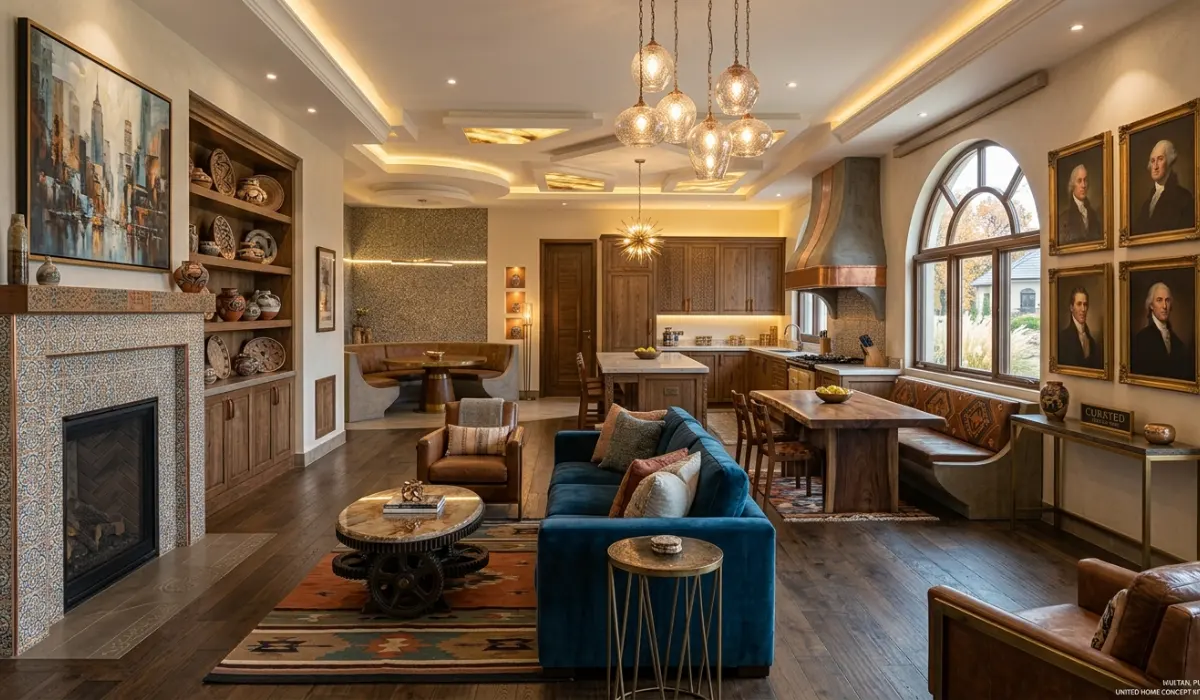
Start the living room with the seating arrangement rather than decorative accessories. Position the major furniture around the room's primary focal point and maintain practical paths between entrances and seating.
A rug can visually connect separate furniture pieces, while side tables and lighting should be positioned where they can actually be used. If the room is multifunctional, use furniture placement to establish separate activity zones.
Make the Living Room Feel Finished
Add visual layers gradually through cushions, throws, artwork, plants, curtains, books, and carefully selected accessories. Avoid filling every empty surface simply because it is available.
A few larger, meaningful objects often create a stronger result than many small decorations scattered across shelves and tables.
Bedroom Decoration Ideas for a Calmer Atmosphere
The bedroom should support rest, so visual noise should generally be reduced. Soft colors, comfortable textiles, controlled lighting, and organized storage can contribute to a calmer environment.
Layer bedding rather than relying on one decorative cover. Different fabric weights and textures can create depth while keeping the color palette restrained.
Improve Bedroom Lighting
Bedside lamps are more useful than relying exclusively on a central ceiling fixture. If possible, use dimmable lighting so the brightness can be adjusted according to the time of day.
Keep electrical cords organized and ensure switches are conveniently accessible from the bed. Small functional decisions often make a bigger difference than additional decorative objects.
Bathroom Decoration Tips That Balance Style and Moisture Resistance
Bathrooms require materials that can tolerate humidity and frequent cleaning. Decorative choices therefore need to be evaluated for both appearance and performance.
Use appropriate paint finishes, moisture-resistant materials, washable textiles, and storage solutions that do not interfere with ventilation. Persistent condensation should be investigated rather than hidden with decorative changes.
Improve Small Bathroom Spaces
In a compact bathroom, a large mirror, visually light storage, consistent finishes, and effective lighting can help the room feel more open.
Avoid excessive accessories around sinks and shower areas because they can interfere with cleaning and make limited counter space appear cluttered.
Kitchen and Dining Decoration for Functionality
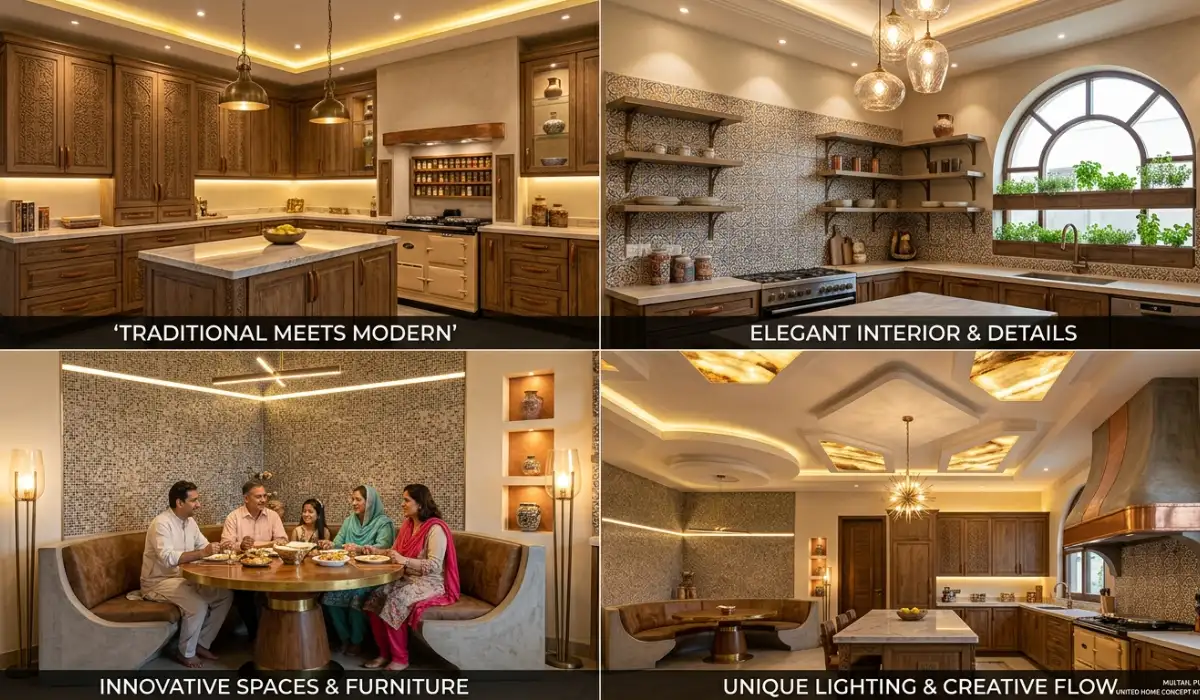
Kitchens need decoration that survives real use. Heat, steam, grease, spills, sharp objects, and frequent cleaning mean that durability should influence decisions about countertops, backsplashes, cabinet finishes, flooring, and wall treatments.
Task lighting should illuminate preparation surfaces without creating strong shadows. Under-cabinet lighting can be particularly useful because overhead fixtures may leave portions of the worktop poorly illuminated.
Make the Dining Area a Visual Anchor
A dining table naturally creates a focal zone. A pendant or appropriately scaled chandelier above it can establish a strong visual center while providing useful illumination.
Keep the fixture proportionate to the table and ceiling height. A very small fixture can look lost, while an oversized one can interfere with sightlines and dominate the room.
Balcony and Outdoor Decoration Tips
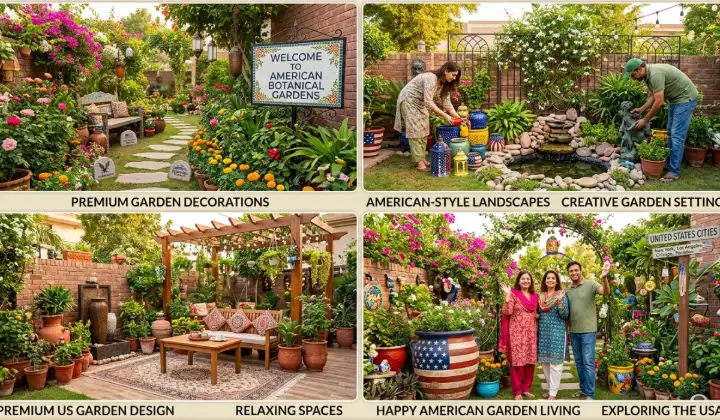
Outdoor areas should be designed around their actual purpose. Decide whether the balcony or patio is primarily for dining, relaxing, gardening, entertaining, or a combination of activities.
Choose materials according to exposure to sunlight, rain, humidity, wind, and temperature changes. Outdoor furniture that looks attractive indoors may deteriorate quickly when it is not designed for exterior conditions.
Add Comfort Without Creating Clutter
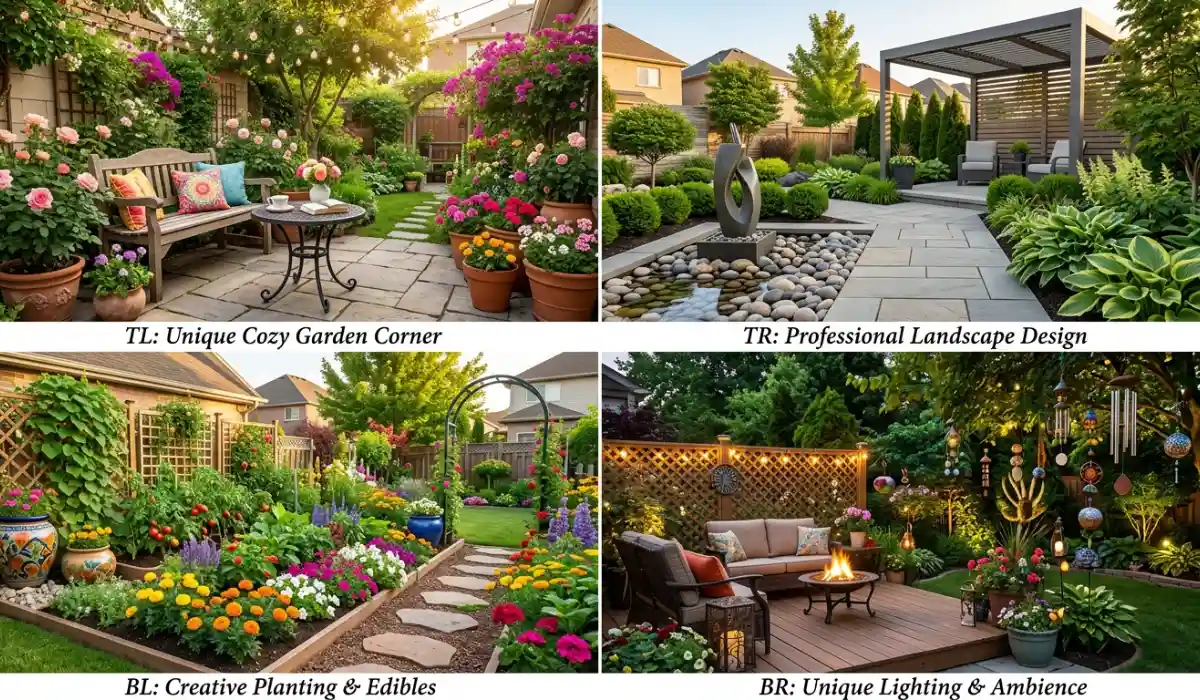
Use compact furniture, vertical planters, outdoor textiles, and appropriate lighting to maximize a small balcony. Keep circulation areas open so the space remains practical.
For larger outdoor areas, divide the space into zones rather than spreading furniture randomly. A dining zone and a separate relaxation zone can make a large area easier to use.
DIY Decoration Projects That Add Character
DIY projects can personalize a home without requiring a large budget. Repainting an existing cabinet, refinishing a small table, creating simple wall art, or improving storage can produce meaningful changes.
However, DIY should not mean ignoring preparation. Surface cleaning, sanding, priming, correct product selection, drying time, and appropriate tools all affect the final result.
Test Before Committing
Always test paint, stain, adhesive, or finishing products on a hidden section or sample board first. The actual surface, lighting, and surrounding colors can make the final result different from the product sample.
This is particularly important when refinishing existing furniture. Preparation often determines the durability of the finished surface more than the final color itself.
Common Decorating Mistakes That Make a Home Feel Unbalanced
Even a carefully planned interior can lose its impact through a few avoidable mistakes. The most common problems usually involve scale, clutter, poor lighting, inconsistent colors, or insufficient attention to function.
Avoid These Problems
Buying before measuring: Furniture and rugs should be selected after confirming the available dimensions.
Using too many small accessories: Numerous tiny objects can create visual noise instead of personality.
Ignoring negative space: Empty areas help important furniture and artwork stand out.
Matching everything: A perfectly coordinated room can feel artificial when there is no contrast or variation.
Using the wrong finish: Kitchens and bathrooms require finishes appropriate for moisture, cleaning, and everyday wear.
Relying on one light source: A single ceiling fixture rarely creates enough flexibility for a multifunctional room.
How to Decorate Beautifully on a Limited Budget
A limited budget does not prevent good design. It simply makes prioritization more important.
Start with changes that have a high visual impact relative to their cost. Rearranging furniture, improving lighting, editing clutter, adding textiles, repainting selected surfaces, and updating hardware can often transform a room without replacing everything.
Spend More Where Durability Matters
When money is limited, avoid distributing a small budget across too many low-quality purchases. Instead, identify items that receive heavy use and invest in better durability there.
For example, a frequently used sofa, mattress, kitchen hardware, or outdoor seating may deserve more attention than decorative accessories that are rarely touched.
How to Know When a Decoration Is Actually Finished
A room is not finished simply because every wall, shelf, and corner contains something. Completion should mean that the room feels balanced, functions comfortably, and no longer has obvious visual or practical problems.
Walk through the space at different times of day. Remove anything that feels unnecessary, check whether furniture blocks movement, and assess whether the lighting works for the activities performed there.
Use the Edit-and-Observe Method
After decorating, live with the room for several days before making another major purchase. You may discover that the empty corner you planned to fill actually improves the composition.
This final editing stage is an important part of decoradyard because restraint can be just as valuable as adding another decorative feature.
Frequently Asked Questions
What is the main idea behind decoradyard?
The main idea is to approach home decoration thoughtfully by considering the room's purpose, proportions, lighting, colors, materials, comfort, and personal style before buying decorative items.
How can I decorate my home without spending a lot?
Start with furniture rearrangement, decluttering, improved lighting, paint, textiles, plants, artwork, and hardware updates. Prioritize changes that provide noticeable visual or functional improvements.
What should I choose first when decorating a room?
Begin with the room's function and existing features. Establish the main furniture layout and color direction before purchasing smaller decorative accessories.
How many colors should a room have?
There is no fixed number, but a restrained palette is generally easier to coordinate. Use a dominant color with supporting shades and a few accents, then introduce additional interest through texture and materials.
How can I make a small room look larger?
Use appropriately scaled furniture, maintain clear circulation, reduce clutter, maximize useful lighting, and use mirrors strategically. Consistent colors and visually lighter furnishings can also reduce the sense of crowding.
Is lighting really important in interior decoration?
Yes. Lighting affects how colors, textures, furniture, and architectural details appear. Combining ambient, task, and accent lighting provides considerably more control than relying on one ceiling fixture.
Should every room have the same decorating style?
Not necessarily. The rooms should feel connected, but they can have different moods and functions. Repeating selected colors, materials, or design details can create continuity without making every room identical.
Are expensive decorations necessary for a stylish home?
No. Proportion, layout, lighting, cleanliness, texture, and thoughtful editing often have more influence on the overall appearance than the price of individual accessories.
Conclusion
Effective decoradyard decorating is less about buying more and more about making better decisions. A successful room begins with its function, develops through appropriate proportions and furniture placement, and becomes visually complete through controlled color, layered lighting, texture, natural elements, and carefully selected accessories.
The best approach is to work gradually. Measure before purchasing, test colors in the actual environment, solve functional problems before adding decoration, and give yourself time to understand how the room behaves throughout the day.
Whether you are refreshing a bedroom, improving a living room, updating a kitchen, or transforming a balcony, thoughtful planning can produce a home that feels comfortable, personal, practical, and visually cohesive without requiring an unnecessary renovation budget.
James Anderson
Passionate about transforming houses into inspired homes. Writing about practical DIY guides, interior design, and outdoor living.