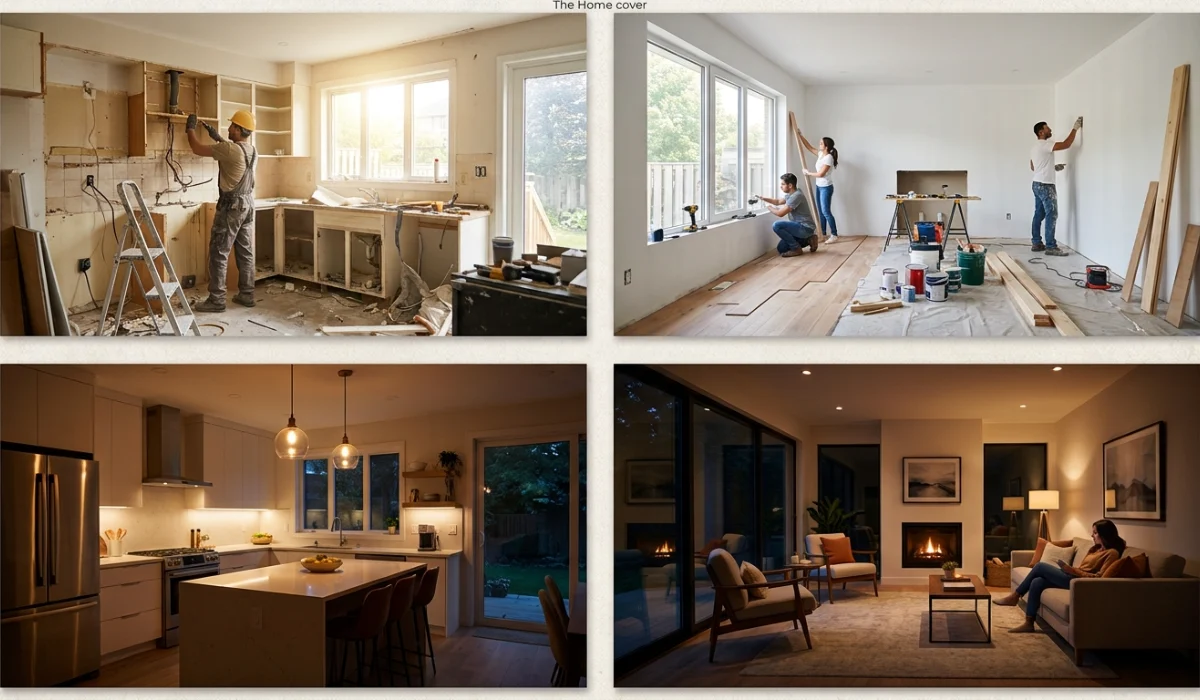
Upgrades Decoradhouse: Smart Ideas for a More Functional Home
James Anderson
Editorial Contributor
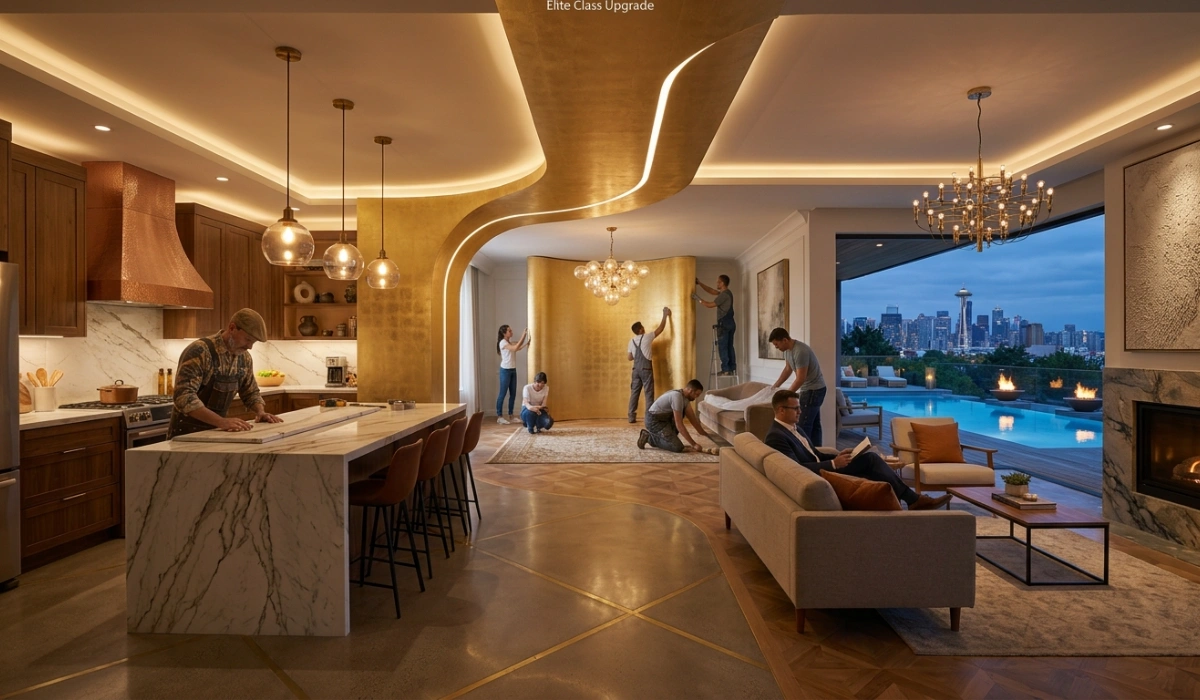
A home does not need a complete makeover to feel better. The most effective upgrades decoradhouse approach starts with the way a space is actually used, then improves comfort, organization, lighting, storage, and appearance in a logical order.
Instead of choosing decorative changes first, homeowners can begin by identifying everyday frustrations. A cramped walkway, poorly lit corner, overflowing cabinet, uncomfortable seating area, or difficult-to-maintain surface can often have a bigger effect on daily life than an expensive decorative feature.
Why Function Should Come Before Decoration
Good home improvement is not simply about making rooms look attractive. It should also make everyday activities easier, reduce unnecessary clutter, and help each area perform its intended purpose.
This principle is especially useful when planning upgrades decoradhouse projects because it prevents homeowners from spending money on visual changes that do not solve the underlying problem.
Start With Everyday Problems
Walk through the home and notice where small inconveniences happen repeatedly. These observations can reveal the best areas for improvement.
Look for issues such as:
- Furniture blocking natural movement
- Insufficient storage
- Dark working areas
- Frequently cluttered surfaces
- Difficult-to-clean materials
- Unused corners
- Poor organization near entrances
Solving these problems first creates a stronger foundation for later decorating.
Improve Before You Replace
A room does not always need new furniture. Sometimes changing its arrangement, improving lighting, or adding practical storage can produce a noticeable improvement without replacing major items.
This approach can also make a renovation more economical because money is directed toward changes that provide measurable everyday value.
Planning Upgrades Decoradhouse Around How You Live
Every household uses its rooms differently. A kitchen used heavily every day may deserve more attention than a formal sitting room, while a family with children may prioritize durable storage and easy-clean surfaces.
The best renovation plan therefore begins with lifestyle rather than a fixed decorating formula.
Create a Priority List
Divide potential improvements into three categories:
| Priority | Typical Improvements | Main Benefit |
| High | Storage, lighting, layout, repairs | Immediate functionality |
| Medium | Furniture, finishes, organization | Better comfort |
| Low | Decorative accessories, styling details | Visual enhancement |
This simple system helps prevent decorative decisions from taking priority over essential improvements.
Think About Long-Term Use
A successful improvement should remain useful after the initial excitement disappears. Consider whether a change will still make sense several years from now.
Durable materials, adaptable furniture arrangements, accessible storage, and efficient lighting generally provide more lasting value than trends that may quickly become outdated.
Living Room Improvements That Make Daily Life Easier
The living room usually serves several purposes at once. It may be used for conversation, relaxation, entertainment, reading, or family activities, so its layout needs to support movement without making the room feel crowded.
One of the most practical upgrades decoradhouse ideas for this area is to reconsider furniture placement before buying anything new.
Improve Furniture Flow
Arrange seating so that people can move naturally through the room. Main walkways should remain open, and furniture should not create awkward obstacles between doors and frequently used areas.
A balanced arrangement also improves conversation because seating can face a shared focal point without forcing people into uncomfortable positions.
Reduce Visual Clutter
Visible clutter can make even a spacious room feel smaller. Use storage baskets, cabinets, shelving, or closed compartments for items that do not need to remain on display.
Keep decorative pieces selective rather than filling every available surface. A smaller number of well-positioned objects often creates a cleaner visual effect.
Use Layered Lighting
A single ceiling fixture may not provide enough flexibility for a multifunctional living room. Combine general illumination with task or accent lighting where appropriate.
For example, a reading chair can benefit from focused light, while softer illumination can support evening relaxation.
Bedroom Improvements for Comfort and Calm
A bedroom should support rest, organization, and personal comfort. Decoration matters, but excessive visual stimulation or poorly arranged furniture can work against the peaceful atmosphere homeowners usually want.
The most useful bedroom changes often involve lighting, storage, furniture placement, and surface organization.
Make the Bed Area Practical
Keep commonly used items within convenient reach without allowing the bedside area to become crowded. Nightstands should provide enough space for essentials while maintaining a clear walking route.
Lighting near the bed should also be appropriate for evening activities without making the room excessively bright.
Control Bedroom Clutter
Storage is one of the most overlooked parts of bedroom improvement. Consider under-bed storage, wardrobe organization, drawers, or vertical shelving before adding more decorative furniture.
A cleaner storage system makes it easier to maintain the room and reduces the amount of visual distraction.
Kitchen Improvements That Support Efficient Movement
The kitchen is one of the strongest candidates for functional renovation because small layout problems can be repeated dozens of times each day.
Rather than concentrating only on cabinet colors or decorative finishes, evaluate how easily you can move between preparation, cooking, cleaning, and storage areas.
Improve the Kitchen Work Zones
Frequently used appliances, utensils, ingredients, and cookware should be positioned where they are practical to access. Items that are rarely used can be moved to less accessible storage.
This reduces unnecessary movement and makes everyday cooking more efficient.
Keep Work Surfaces Clear
A crowded countertop reduces usable preparation space. Group appliances according to how often they are used and store occasional-use equipment when possible.
Better cabinet organization can sometimes create more functional workspace without changing the kitchen footprint.
Consider Lighting Where Work Happens
Countertops, sinks, and cooking areas benefit from appropriate task lighting. General room lighting alone may leave working surfaces in shadow.
Under-cabinet lighting can be particularly useful because it illuminates the work surface without requiring major structural changes.
Bathroom Improvements That Increase Convenience
Bathrooms often have limited floor area, making efficient organization especially important. The strongest improvements usually combine storage, lighting, easy maintenance, and sensible use of available space.
For upgrades decoradhouse, the bathroom should be treated as a practical working space rather than purely a decorative room.
Improve Mirror and Task Lighting
Lighting around the mirror should minimize harsh shadows and provide useful illumination for everyday tasks. The exact fixture placement matters as much as brightness.
Where possible, distribute light so that the face is illuminated evenly rather than relying entirely on a ceiling fixture.
Choose Easy-to-Maintain Solutions
Bathroom surfaces are exposed to moisture, cleaning products, and frequent use. Materials and fixtures should therefore be selected with maintenance in mind.
A beautiful surface that is difficult to clean may become frustrating over time. Practical finishes can provide a better balance between appearance and usability.
Add Smarter Storage
Use vertical wall space, vanity drawers, medicine cabinets, or compact shelving where appropriate. Keeping everyday toiletries organized can make a small bathroom feel considerably more manageable.
Entryway Improvements That Reduce Daily Clutter
The entrance is one of the busiest transition points in a home. Shoes, bags, keys, coats, parcels, and other everyday items can quickly accumulate there.
A well-organized entryway does more than create a good first impression. It can make leaving and returning home considerably easier.
Give Frequently Used Items a Dedicated Place
Hooks, baskets, cabinets, benches with storage, or small trays can provide specific locations for commonly misplaced belongings.
The goal is not to add more furniture but to make the existing space work harder.
Keep the Walking Route Clear
Avoid placing storage units where they interfere with door movement or the natural path into the home. Even a small entrance can remain functional when storage is positioned carefully.
Simple organization often has a greater effect than adding decorative accessories.
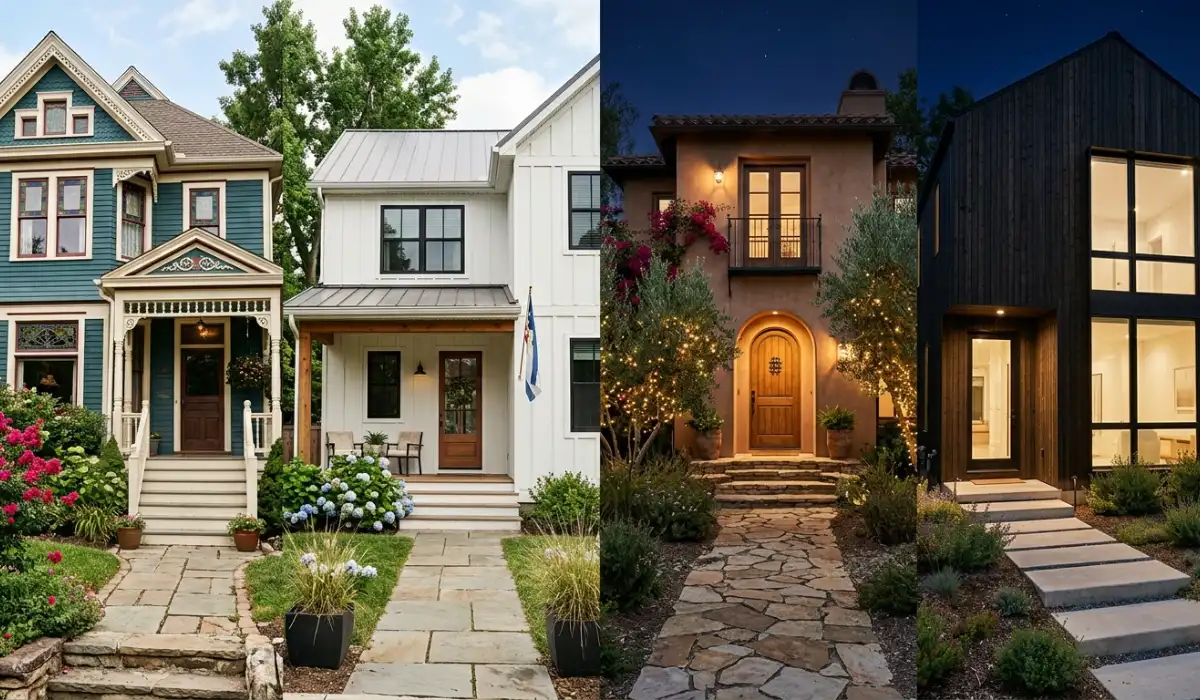
Garden Tips Decoradhouse for More Usable Outdoor Space
Outdoor areas deserve the same functional thinking as indoor rooms. A garden should not only look attractive; it should also be easy to access, maintain, and enjoy.
The most effective garden improvements depend on how the outdoor space is used. A family seating area may require different planning from a small decorative garden.
Plan Around Maintenance
Before adding plants or decorative features, consider watering, pruning, drainage, sunlight, and seasonal changes. A design that requires constant attention may become difficult to maintain.
Choose plants and outdoor materials that suit the available conditions rather than selecting them only because they look attractive in photographs.
Create Useful Outdoor Zones
If space allows, divide the garden into practical areas for seating, planting, pathways, or recreation. Clear zones make the outdoor space easier to understand and use.
Pathways should also provide convenient access without unnecessarily reducing usable planting or seating space.
Decoradhouse Renovation Tips From DecoratorAdvice for Better Results
Renovation decisions become easier when they are made in the correct sequence. Starting with finishes and decorative details before resolving layout, storage, or repair problems can lead to unnecessary rework.
A more reliable process is to evaluate the structure and function first, then move toward visual improvements.
Follow a Practical Renovation Sequence
A useful order is:
- Identify functional problems.
- Complete essential repairs.
- Improve layout and movement.
- Add or reorganize storage.
- Upgrade lighting.
- Select durable finishes.
- Add furniture and decorative details.
- Review the finished space for usability.
This sequence helps prevent cosmetic decisions from hiding practical problems.
Measure Before Buying
Furniture and storage should be selected according to actual measurements rather than assumptions. Measure wall lengths, door swings, available floor area, and clearance around major furniture.
Accurate measurements are particularly important in smaller kitchens, bathrooms, hallways, and bedrooms where a few inches can significantly affect movement.
Decoradhouse Upgrade Tips by DecoratorAdvice for Smarter Spending
Not every improvement needs a large budget. Some of the highest-value changes involve organization, lighting, furniture placement, and small repairs rather than complete room replacements.
Before spending money, ask what problem the proposed upgrade is solving.
Invest in High-Impact Improvements
Prioritize changes that affect the home frequently. Better storage in a constantly cluttered room may provide more practical value than decorative accessories that are rarely noticed.
Similarly, improving lighting in a frequently used workspace can have a stronger everyday impact than repainting a room that already functions well.
Avoid Trend-Driven Decisions
Trends can provide inspiration, but they should not control every renovation choice. A timeless layout and durable materials generally provide a more dependable foundation.
Decorative elements can be changed later without rebuilding the entire room, so permanent decisions deserve particularly careful consideration.
How to Decorate My House Decoradhouse: Build From a Strong Foundation
People often ask how to decorate my house decoradhouse when the real issue is that the home lacks organization or functional balance. Decoration becomes easier once the basic layout, storage, lighting, and maintenance needs have been addressed.
Use a Consistent Visual Direction
A home does not need every room to look identical. However, repeating a few compatible materials, textures, finishes, or design characteristics can create visual continuity.
This makes individual rooms feel connected while still allowing each space to serve its own purpose.
Decorate With Purpose
Every decorative item should have a reason for being there. A mirror can increase visual openness, a rug can define a seating zone, and artwork can introduce personality without occupying functional space.
Avoid filling empty areas simply because they appear bare. Negative space can be an important part of a balanced interior.
Common Mistakes to Avoid During Home Upgrades
Even a well-intentioned renovation can become less effective when decisions are made without considering the complete space.
Several common mistakes can reduce both usability and long-term value.
Changing Appearance Before Solving Function
A new color scheme cannot fix a poor layout. Similarly, attractive furniture will not solve insufficient storage or badly positioned lighting.
Resolve practical problems first, then use decoration to enhance the improved foundation.
Ignoring Maintenance
Every material requires some level of care. Before selecting flooring, countertops, outdoor surfaces, fabrics, or decorative finishes, consider cleaning requirements and expected wear.
This is particularly important in kitchens, bathrooms, entrances, and gardens.
Filling Every Empty Space
Open areas are not automatically wasted space. Keeping appropriate clearance can make a room feel larger and improve movement.
Furniture should serve a purpose rather than being added simply to make the room appear fuller.
A Simple Checklist for Upgrades Decoradhouse
Before starting a project, review the space from both practical and visual perspectives.
Function
- Does the room support its main activities?
- Are the walking routes comfortable?
- Are frequently used items easy to reach?
Storage
- Where does clutter accumulate?
- Can unused vertical or hidden space be utilized?
- Are everyday items stored near where they are used?
Lighting
- Is general lighting sufficient?
- Do work areas need focused illumination?
- Can different lighting levels support different activities?
Maintenance
- Are surfaces easy to clean?
- Can the household realistically maintain the garden or finishes?
- Will the chosen materials handle everyday wear?
Appearance
- Does the design feel balanced?
- Are decorative elements supporting the room rather than overwhelming it?
- Will the style remain practical over time?
Pros and Cons of a Function-First Renovation
| Pros | Cons |
| Improves everyday usability | May require more planning |
| Reduces unnecessary spending | Decorative changes may come later |
| Helps control clutter | Measurements are often necessary |
| Supports long-term comfort | Some problems may require professional work |
| Makes decoration more effective | Results can be less dramatic initially |
Frequently Asked Questions
What are the best upgrades decoradhouse for a home?
The best improvements depend on the home's problems, but storage, lighting, furniture flow, maintenance, and room functionality are strong starting points. Improvements should solve real everyday frustrations before decorative details are prioritized.
Should I renovate or decorate first?
Renovation and functional improvements should generally come before final decoration. Fixing layout, repairs, storage, and lighting first reduces the chance of having to redo decorative work later.
How can I improve my home without a major renovation?
Start with furniture placement, decluttering, storage organization, lighting, and small maintenance improvements. These changes can noticeably improve usability without requiring structural alterations.
Are expensive materials necessary for a better-looking home?
Not necessarily. Good proportions, appropriate lighting, organized storage, and thoughtful furniture placement can make a space feel substantially better without relying on expensive materials.
What should I prioritize in a small room?
Prioritize clear walking routes, multifunctional furniture, vertical storage, appropriate lighting, and uncluttered surfaces. Small rooms benefit particularly from careful measurement before furniture is purchased.
How can garden improvements become easier to maintain?
Choose plants suited to the site's sunlight and water conditions, provide practical access, plan drainage correctly, and avoid designs that require more maintenance than you can realistically provide.
Conclusion
The most successful upgrades decoradhouse are not necessarily the most expensive or visually dramatic. They are the improvements that make everyday activities easier while creating a comfortable, organized, and attractive environment.
Start with how the home works, identify the problems that cause repeated frustration, and then improve layout, storage, lighting, materials, and maintenance. Once that foundation is strong, decorative choices become easier and the finished home can look better while genuinely working better for the people who live in it.
James Anderson
Passionate about transforming houses into inspired homes. Writing about practical DIY guides, interior design, and outdoor living.