Decoration Ideas Decoradyard for Beautiful Outdoor Spaces
James Anderson
Editorial Contributor
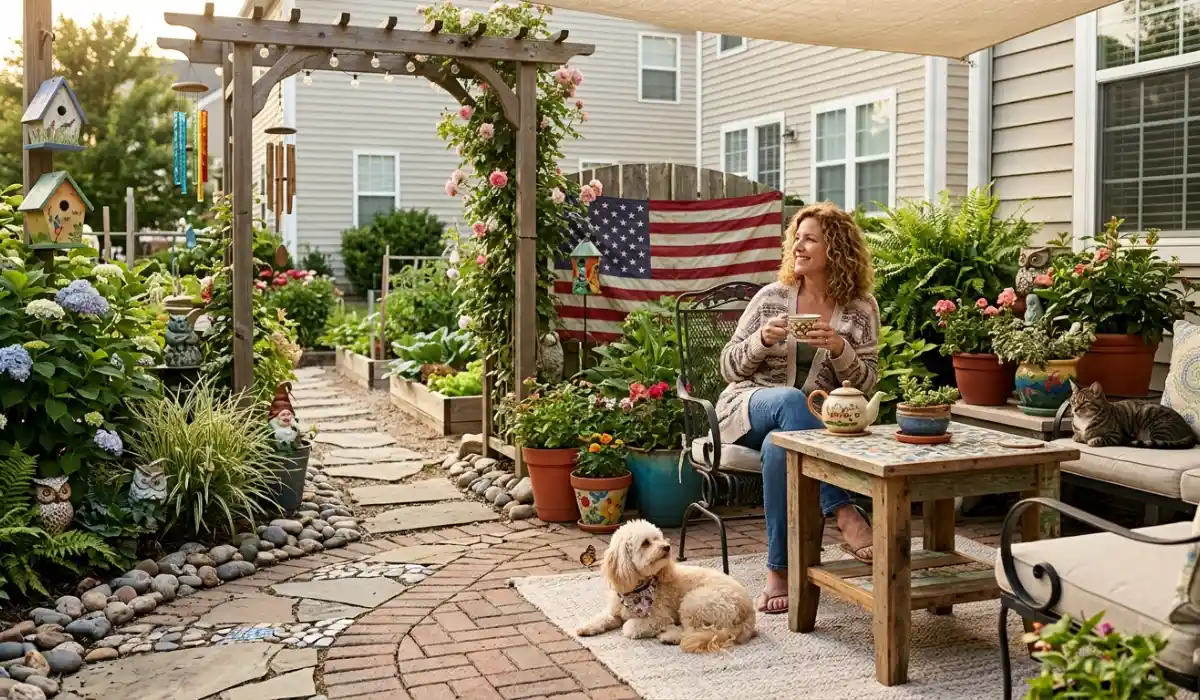
A well-designed outdoor space can become one of the most enjoyable parts of a home. Whether you have a compact patio, a narrow side yard, a balcony, or a spacious backyard, thoughtful decoration can improve comfort, appearance, and everyday usability.
The best decoration ideas decoradyard are not simply about adding attractive objects. They combine furniture placement, planting, lighting, color, texture, privacy, and maintenance into one practical design. When these elements work together, an ordinary outdoor area can feel like a natural extension of the home.
How Decoration Ideas Decoradyard Begin With Smart Space Planning
Good outdoor decoration starts before you purchase a planter, chair, rug, or decorative accessory. First understand the dimensions, sunlight, existing landscaping, drainage, entrances, pathways, and the activities you want the area to support.
This planning stage makes decoration ideas decoradyard more effective because every design decision has a clear purpose. Instead of filling unused areas randomly, you create an outdoor environment that works around your actual lifestyle.
Measure Before Adding Furniture
Measure the available floor area and note the position of doors, gates, steps, trees, walls, and other permanent features. Furniture should leave enough clearance for people to walk comfortably and use doors without obstruction.
A simple sketch can help you test several layouts before moving heavy furniture. This is particularly important for small patios where a few inches can significantly affect movement.
Identify the Main Purpose
Decide whether your outdoor area will mainly be used for dining, entertaining, gardening, relaxing, exercising, or a combination of activities. The purpose should determine the layout rather than being an afterthought.
A dining-focused patio needs a suitable table and convenient access to the house, while a relaxation corner may need comfortable seating, shade, greenery, and softer lighting.
Decoration Ideas Decoradyard for Choosing a Cohesive Outdoor Style
A consistent visual direction prevents a yard from looking like a collection of unrelated purchases. You can combine different styles, but the colors, materials, shapes, and proportions should have some relationship with one another.
The most successful decoration ideas decoradyard usually begin with a simple design foundation. Natural materials can create an organic appearance, while clean furniture lines and restrained colors can create a contemporary environment.
Natural Outdoor Design
Wood, stone, clay, woven materials, and greenery can create a relaxed garden atmosphere. These materials work particularly well when the surrounding landscape already contains natural textures.
Do not feel that every element must be made from natural materials. Combining one or two organic finishes with metal or modern surfaces can create useful contrast.
Modern Outdoor Design
Modern yards often rely on simple furniture, geometric planters, controlled planting, and uncluttered surfaces. Neutral colors can provide the foundation, while plants or cushions introduce controlled accents.
The goal is not to make the yard look empty. Instead, use fewer elements with stronger visual relationships.
Rustic and Traditional Outdoor Design
Rustic spaces can incorporate aged wood, textured fabrics, vintage-inspired accessories, stone, and informal planting. Traditional designs may use symmetrical arrangements, classic furniture profiles, and balanced planting beds.
Whichever style you choose, repeat a few materials or colors throughout the area to maintain visual continuity.
Decoration Ideas Decoradyard for Creating Functional Outdoor Zones
Large outdoor spaces can become more useful when divided into clearly defined zones. Rather than treating the entire yard as one room, create smaller areas for specific activities.
These decoration ideas decoradyard can be achieved without permanent construction. Furniture orientation, planters, outdoor rugs, lighting, and changes in surface materials can visually separate different areas.
Outdoor Dining Zone
Place the dining table where meals can be carried easily from the kitchen or indoor dining area. Make sure chairs have sufficient space to move backward without hitting walls, plants, or other furniture.
For exposed locations, select weather-resistant furniture and fabrics that can tolerate the local climate.
Relaxation Zone
A small seating arrangement can become a dedicated retreat for reading, conversation, or quiet evenings. Add a side table, suitable lighting, and nearby plants without overcrowding the area.
If the location receives strong afternoon sun, consider shade before purchasing decorative furniture. Comfort should remain central to the design.
Garden and Planting Zone
A planting section can provide color, privacy, fragrance, and seasonal interest. Raised beds, containers, borders, and vertical planting can be adapted to different yard sizes.
Keep enough space between plants for growth and maintenance. A garden that looks perfect immediately after installation may become overcrowded later if mature plant sizes are ignored.
Decoration Ideas Decoradyard for Selecting Plants That Actually Suit the Space
Plants are among the most powerful outdoor decorating elements because they provide color and texture while also contributing to the landscape itself. However, selecting plants purely because they look attractive can lead to maintenance problems.
Better decoration ideas decoradyard consider sunlight, soil, water availability, climate, mature size, and maintenance requirements before planting. The healthiest landscape is usually one designed around environmental conditions rather than appearance alone.
Create Height With Plant Layers
Combine low-growing plants, medium shrubs, and taller specimens to create depth. Different heights prevent a planting bed from appearing flat and help direct attention toward important features.
Container plants can provide similar layering in smaller spaces. Tall planters can introduce vertical interest without requiring extensive ground planting.
Use Containers as Flexible Décor
Containers are useful when you want to change the arrangement seasonally. Choose pots that complement the home's exterior colors and the surrounding furniture.
Always consider drainage and container size. Poor drainage can damage plants, while undersized containers may restrict root development.
Consider Maintenance Before Planting
Ask how frequently each plant needs watering, pruning, feeding, or seasonal attention. If you have limited time, prioritize durable, lower-maintenance choices appropriate for your local growing conditions.
A manageable landscape is more valuable in the long term than a complicated garden that becomes difficult to maintain.
Decoration Ideas Decoradyard for Designing Comfortable Outdoor Seating
Outdoor seating is often the centerpiece of a patio or backyard. Its size, placement, material, and comfort can determine whether the space is actually used.
Effective decoration ideas decoradyard treat furniture as part of the overall composition rather than an isolated purchase. Seating should relate to the focal point, provide comfortable circulation, and suit the scale of the area.
Choose Furniture According to Scale
Large furniture can overwhelm a small patio, while undersized pieces may disappear in a large yard. Measure first and compare the furniture dimensions with the usable area.
Consider how many people normally use the space instead of automatically choosing the largest available seating set.
Add Outdoor Textiles Carefully
Outdoor cushions, rugs, and throws can introduce softness and color. Select products designed for exterior conditions, particularly if they will remain outside for long periods.
Use textiles to repeat accent colors already present in the space rather than introducing several unrelated shades.
Decoration Ideas Decoradyard for Outdoor Lighting That Works After Sunset
Outdoor lighting can dramatically change how a yard feels in the evening. It can highlight architectural features, make pathways easier to navigate, and create a comfortable atmosphere around seating areas.
Among practical decoration ideas decoradyard, lighting deserves special attention because poorly positioned fixtures can create glare or harsh shadows. A layered lighting scheme is generally more effective than relying on one powerful source.
Use Three Lighting Layers
Ambient lighting provides general visibility, task lighting supports specific activities, and accent lighting highlights selected features.
For example, a seating area might use soft general illumination with focused light near a table and subtle accent lighting around nearby plants.
Highlight Trees and Architectural Features
Low-level accent lighting can emphasize tree trunks, textured walls, steps, or planting beds. Use these fixtures selectively so the yard does not become visually overwhelmed after dark.
Lighting should draw attention to the best parts of the landscape rather than illuminating everything equally.
Think About Glare and Safety
Position fixtures carefully so bright light does not shine directly into seating areas or people's eyes. Pathways, stairs, entrances, and changes in elevation deserve particular attention.
Decorative appearance is valuable, but exterior lighting should also support safe movement around the property.
Decoration Ideas Decoradyard for Making Small Outdoor Spaces Feel Larger
Small yards require careful editing. The objective is not to fill every corner but to use available space efficiently while preserving visual openness.
Many decoration ideas decoradyard can be adapted to compact areas by moving decoration upward, selecting multifunctional furniture, and limiting the number of large objects.
Use Vertical Gardening
Wall planters, trellises, climbing plants, hanging containers, and vertical garden systems can introduce greenery without consuming much floor space.
Make sure mounted systems are properly supported and suitable for the weight of mature plants and wet soil.
Choose Multifunctional Furniture
A bench with storage, a folding table, stackable chairs, or compact modular seating can provide more flexibility than several separate pieces.
Furniture that can be moved or folded also makes it easier to change the space for different activities.
Protect Open Walking Areas
Do not place every decorative item along the main circulation route. Keeping some floor area visible can make the yard feel larger and make movement more comfortable.
Decoration Ideas Decoradyard for Adding Privacy Without Losing Openness
Privacy can make an outdoor space much more comfortable, especially when neighboring properties are close. However, completely enclosing a small yard can make it feel dark or restricted.
Better decoration ideas decoradyard use targeted screening rather than blocking every direction. Privacy can be created with planting, trellises, slatted panels, fencing, or strategically positioned furniture.
Natural Privacy Screens
Shrubs, small trees, climbing plants, and suitable hedges can soften boundaries while providing visual screening. Choose species based on mature height, growth rate, maintenance, and local conditions.
Avoid planting too closely together simply to achieve immediate coverage. Plants need appropriate room for healthy growth and airflow.
Decorative Screens and Trellises
A trellis can provide support for climbing plants while also creating a visual boundary. Slatted or lattice-style screens can offer privacy without completely blocking light and airflow.
Match the finish with existing fencing, furniture, or architectural materials for a more integrated appearance.
Decoration Ideas Decoradyard for Creating a Strong Outdoor Focal Point
Every successful landscape benefits from a visual anchor. Without one, attention may jump randomly between furniture, plants, ornaments, and architectural features.
A strong focal point makes decoration ideas decoradyard easier to organize because secondary elements can be positioned to support it.
Possible Focal Points
Depending on the space, a focal point could be:
- A distinctive mature tree
- A sculptural planter
- A water feature
- A carefully arranged seating area
- An attractive garden wall
- A striking planting bed
- A decorative entrance feature
Choose one primary feature and avoid competing with it using too many equally prominent objects.
Decoration Ideas Decoradyard for Budget-Friendly Outdoor Improvements
A beautiful yard does not require an unlimited decorating budget. Prioritizing improvements according to impact allows you to make meaningful changes gradually.
The most practical decoration ideas decoradyard often begin with inexpensive changes such as cleaning, rearranging furniture, pruning plants, repainting suitable items, and improving the layout.
| Area | Affordable Improvement | Main Benefit |
| Furniture | Rearrange or refinish existing pieces | Better layout |
| Plants | Add containers or propagate suitable plants | More greenery |
| Lighting | Introduce selected outdoor fixtures | Evening atmosphere |
| Walls | Add suitable artwork or planters | Vertical interest |
| Textiles | Replace cushions selectively | More comfort |
| Storage | Repurpose suitable containers | Reduced clutter |
Spend First on High-Impact Improvements
If money is limited, prioritize items that affect everyday use. Durable seating, suitable lighting, drainage improvements, and healthy plants may provide greater long-term value than numerous decorative accessories.
Once the fundamentals are working, add smaller decorative pieces gradually.
Decoration Ideas Decoradyard for Sustainable and Low-Waste Outdoor Design
Sustainable decorating can be achieved through practical choices rather than constant purchasing. Reusing furniture, repairing suitable items, choosing durable products, and avoiding unnecessary replacements can reduce waste.
Some decoration ideas decoradyard also encourage homeowners to think about long-term maintenance. A durable item that lasts several years may be more useful than a cheaper decorative piece that needs frequent replacement.
Repurpose Existing Furniture
Old wooden furniture can sometimes be repaired or refinished for suitable outdoor use. However, check whether the material and finish can withstand moisture, sunlight, and temperature changes.
Do not place delicate indoor items outdoors simply because they look attractive. Environmental exposure can cause rapid deterioration.
Choose Durable Materials
When purchasing outdoor furniture or décor, consider material performance as well as appearance. Exposure to ultraviolet radiation, moisture, dirt, and temperature changes can affect different surfaces differently.
Easy-to-clean and repairable products can be practical choices for frequently used areas.
Decoration Ideas Decoradyard for Seasonal Outdoor Changes
Seasonal decorating does not require replacing the entire yard. Keep permanent features such as furniture, hardscaping, and major planting structures stable while changing portable details.
This makes decoration ideas decoradyard more affordable and easier to maintain throughout the year.
Spring and Summer
Introduce flowering plants, lighter textiles, fresh greenery, and comfortable outdoor seating. If the area receives strong sunlight, prioritize shade and heat-resistant materials.
Autumn and Winter
Use deeper accent colors, warmer textiles, seasonal containers, and softer lighting where appropriate. Store delicate cushions and accessories when weather conditions make outdoor exposure unsuitable.
Decoration Ideas Decoradyard for Avoiding Common Outdoor Decorating Mistakes
Understanding what not to do can save money and prevent unnecessary redesigns. Many outdoor spaces become less attractive because too many elements are added without considering scale, maintenance, or environmental conditions.
The most effective decoration ideas decoradyard are based on restraint. Each item should contribute to comfort, function, visual balance, or a meaningful personal detail.
Overcrowding the Available Space
Too much furniture or too many accessories can eliminate walking space and make even a large yard feel cramped. Leave breathing room between major elements.
Ignoring Drainage
Water accumulation can damage furniture, plants, flooring, and decorative features. Observe how rainwater moves through the area before placing valuable items or making major landscaping changes.
Choosing Plants Without Considering Mature Size
A small nursery plant can eventually become much larger than expected. Check its mature height and spread before deciding where it belongs.
Mixing Too Many Design Styles
Combining styles can work, but uncontrolled mixing often creates visual confusion. Repeat selected colors, materials, or shapes to connect different elements.
Following Trends Too Closely
Outdoor trends can provide inspiration, but permanent landscaping decisions should not be based entirely on short-lived fashions. Use easily replaceable accessories to experiment with current styles.
Pros and Cons of DIY Outdoor Decorating
| Advantages | Disadvantages |
| Can reduce project costs | Requires planning and time |
| Allows greater personalization | Mistakes may increase expenses |
| Existing items can be reused | Some materials need specialist knowledge |
| Projects can be completed gradually | Maintenance remains necessary |
| Easy to experiment with décor | Complex installations may require professionals |
DIY is particularly suitable for many cosmetic updates, planting arrangements, furniture styling, and accessory placement. Projects involving structural changes, complex electrical systems, drainage, or other specialist work require appropriate expertise.
A Practical Step-by-Step Decoration Ideas Decoradyard Workflow
If the decorating process feels overwhelming, break it into manageable stages. This prevents unnecessary purchases and gives you an opportunity to evaluate each improvement before moving to the next.
Step 1: Clean and Declutter
Remove broken furniture, unnecessary containers, dead plants, and objects that no longer serve a purpose.
Step 2: Measure the Area
Record the dimensions and identify permanent features such as doors, steps, trees, fences, and drainage points.
Step 3: Define the Main Use
Decide whether the priority is dining, relaxation, gardening, entertaining, privacy, or several combined functions.
Step 4: Arrange Major Furniture
Place the largest pieces first and check circulation. Make adjustments before adding accessories.
Step 5: Introduce Plants
Choose greenery based on sunlight, water, climate, mature size, and maintenance needs.
Step 6: Install or Position Lighting
Address pathways and practical visibility before adding decorative accent lighting.
Step 7: Add Decorative Details
Introduce cushions, outdoor rugs, planters, artwork, sculptures, or other accessories that support the overall design.
Step 8: Edit the Final Arrangement
Stand back and assess the entire space. Remove items that create clutter, obstruct movement, or compete unnecessarily with the focal point.
Frequently Asked Questions
What are the best decoration ideas decoradyard for a small backyard?
The best decoration ideas decoradyard for a small yard focus on vertical planting, compact furniture, clear pathways, multifunctional pieces, and carefully positioned lighting. Avoid filling every available surface with accessories.
How can I decorate my yard without spending much money?
Start with free improvements such as cleaning, decluttering, pruning, and rearranging existing furniture. Then make gradual additions such as plants, lighting, cushions, or refinished furniture according to your budget.
How do I make my outdoor area look professionally designed?
Use a consistent color and material palette, create a clear focal point, choose furniture appropriate to the space, and maintain visual balance. Professional-looking design usually comes from coordination rather than expensive products.
How can I make a small patio appear larger?
Use appropriately scaled furniture, maintain open floor areas, introduce vertical planting, and avoid excessive decorative objects. A simple visual palette can also make the area feel more spacious.
What type of outdoor lighting should I use?
A combination of ambient, task, pathway, and accent lighting can provide both functionality and atmosphere. Select fixtures according to their intended location and environmental exposure.
Should all outdoor furniture match?
Not necessarily. Furniture can have different shapes or materials as long as there is a connecting element such as color, finish, proportion, or design style.
How can plants improve outdoor decoration?
Plants provide color, texture, height, seasonal interest, and sometimes privacy. They can also define zones and soften hard surfaces such as walls, paving, and fences.
How often should outdoor décor be changed?
Permanent elements rarely need frequent changes. Seasonal plants, cushions, rugs, and smaller accessories can be updated periodically to refresh the appearance without redesigning the entire space.
Conclusion
The strongest outdoor spaces are not created by simply adding more decoration. They are created by understanding how the area will be used and then combining furniture, plants, lighting, materials, privacy solutions, and decorative details around that purpose.
Decoration ideas decoradyard provide a useful framework for making those decisions more deliberately. Start with measurements and layout, establish functional zones, choose suitable plants, create a practical lighting plan, and select weather-appropriate furniture before adding finishing touches.
Whether you are working with a tiny balcony, a compact patio, or a large backyard, thoughtful planning can make the space more comfortable and visually appealing. With the right balance of creativity and practicality, decoration ideas decoradyard can help transform an underused outdoor area into a welcoming extension of your home.
James Anderson
Passionate about transforming houses into inspired homes. Writing about practical DIY guides, interior design, and outdoor living.