Decoration Tips and Tricks Decoradyard: A Practical Guide to Better Home Design
James Anderson
Editorial Contributor
A well-decorated home is not simply a collection of attractive furniture and accessories. It is a carefully balanced environment where layout, color, lighting, texture, comfort, and function work together. The most effective changes are often surprisingly simple when you understand why a particular design decision works.
That is the purpose of decoration tips and tricks decoradyard. Rather than encouraging homeowners to copy expensive showroom interiors, this approach focuses on practical improvements that can make ordinary rooms feel more organized, comfortable, and visually complete. Whether you are refreshing one room or gradually improving an entire property, the right strategy can produce better results without unnecessary spending.
What Decoration Tips and Tricks Decoradyard Really Means
The concept behind decoration tips and tricks decoradyard is centered on intentional decorating. Instead of purchasing decorative objects simply because they look attractive individually, each addition should have a reason within the overall room.
Good decoration should answer three questions: Does the item improve the space visually? Does it support the way the room is used? Does it contribute something meaningful to the home's personality?
This approach also encourages homeowners to evaluate existing possessions before shopping. A chair can move to another room, an old cabinet can receive a new finish, or artwork can be rearranged to create an entirely different impression.
Decoration Should Support Everyday Living
A living room needs comfortable circulation, a bedroom should feel restful, and a home office needs practical lighting and an efficient working arrangement. Decorating decisions become more successful when the room's purpose is established before its appearance is planned.
This is one of the most useful principles in decoration tips and tricks decoradyard because function prevents attractive design choices from becoming inconvenient ones.
Start With the Room's Existing Architecture
Windows, doors, fireplaces, built-in shelves, ceiling height, flooring, and natural light all influence decoration. Instead of fighting these features, use them as starting points.
For example, a large window can become the visual focal point, while built-in shelving can provide both storage and display space. Understanding the architectural structure before buying furniture can prevent expensive mistakes.
How to Build a Cohesive Decorating Plan Before Shopping
One common decorating mistake is purchasing items one at a time without considering how they will work together. A better approach is to create a simple plan before spending money.
Begin by identifying the room's purpose, existing furniture, preferred atmosphere, dominant colors, and practical problems. Then decide which changes will have the greatest impact.
Use a Three-Level Decorating Priority
Divide improvements into three categories:
- Essential: Items that solve functional problems, such as appropriate seating, storage, curtains, or task lighting.
- Enhancement: Changes that improve the appearance, such as rugs, artwork, accent colors, and decorative lighting.
- Finishing touches: Smaller accessories that add personality after the main composition is complete.
This prevents small decorative purchases from consuming the budget before important improvements have been addressed.
Measure Before Buying Furniture and Rugs
Measurements are among the simplest tools for successful interior design. Record room dimensions, doorway widths, ceiling height, and the approximate positions of windows and major architectural features.
A beautiful piece can still fail if it cannot pass through the doorway, blocks a walkway, or overwhelms the available floor area. Decoration tips and tricks decoradyard should therefore begin with planning rather than impulse shopping.
Color Strategies That Make Rooms Feel More Connected
Color is one of the fastest ways to change the atmosphere of a room, but using too many unrelated colors can create visual noise.
A practical palette usually includes a dominant background color, one supporting color, and a smaller accent shade. The familiar 60-30-10 principle can be used as a starting point, but it should not be treated as a strict rule.
Repeat Accent Colors Instead of Matching Everything
Perfect matching can make a room look artificial. Repeating a color in different materials is usually more sophisticated.
For example, a muted green might appear in a cushion, artwork, plant pot, and small decorative object. The color connects the room while the different textures keep the composition interesting.
Consider Natural and Artificial Light
Paint and fabric colors can appear dramatically different under different lighting conditions. A shade that looks warm during daylight may appear cooler beneath artificial bulbs.
Test larger color samples at different times of day before committing to paint or major furnishings. This small step can prevent costly redesign work.
Furniture Placement Tricks That Improve Space and Movement
Furniture arrangement has a greater effect on how a room feels than many decorative accessories. A room can contain beautiful pieces and still feel uncomfortable if movement between them is restricted.
The goal is to create logical pathways while keeping important furniture visually connected.
Create Conversation Areas
In living rooms, seating does not always need to face a television or sit directly against the walls. Positioning chairs and sofas so people can comfortably interact can make the space feel more welcoming.
Leave enough circulation space around major furniture rather than filling every available corner.
Use Rugs to Define Functional Areas
An appropriately sized rug can visually connect seating, dining, or relaxation areas. Small rugs floating underneath only the center of furniture can sometimes make a large arrangement feel disconnected.
In open-plan homes, rugs are particularly useful because they create visual boundaries without constructing walls.
Lighting Layers That Change the Atmosphere of a Room
Lighting deserves more attention because it influences both functionality and mood. A single ceiling fixture often creates uneven illumination and can make an otherwise carefully decorated room feel flat.
A stronger strategy combines several lighting levels.
Ambient, Task, and Accent Lighting
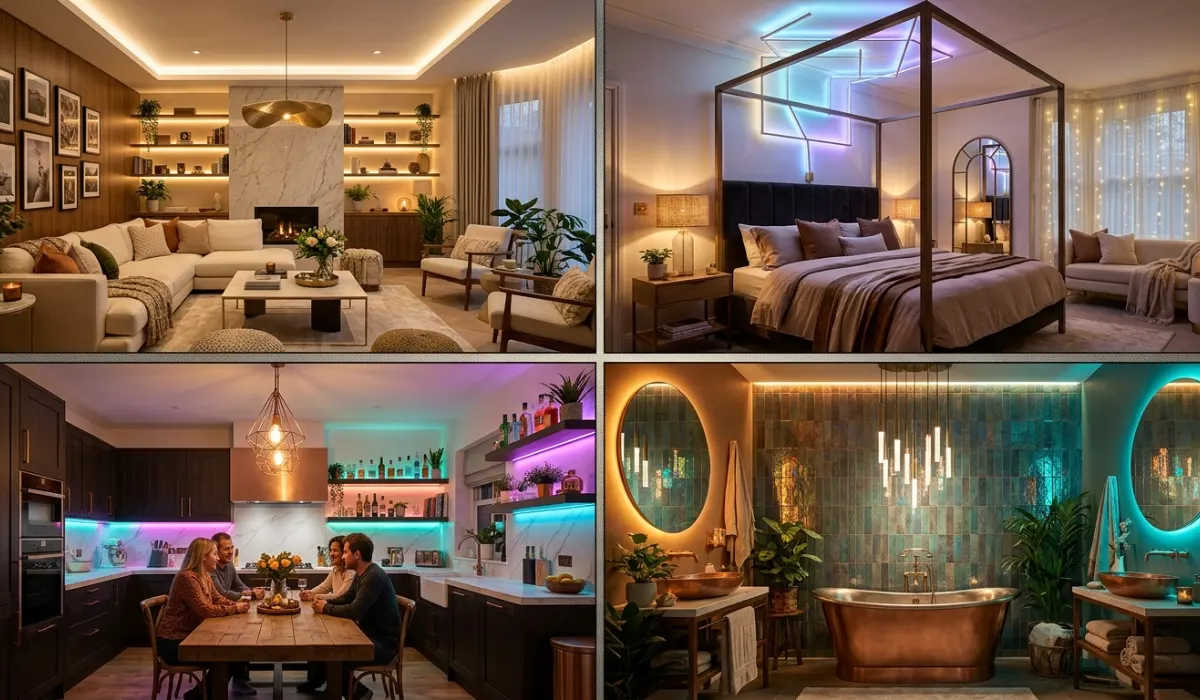
Ambient lighting provides general illumination. Task lighting supports specific activities such as reading, cooking, studying, or working, while accent lighting draws attention toward artwork, shelves, plants, or architectural details.
Combining these layers allows the room to adapt to different activities instead of relying on one lighting source.
Choose Bulbs According to the Room's Purpose
Warmer light can create a relaxed atmosphere in bedrooms and living spaces, while more neutral lighting may be useful in areas where detailed visual work takes place.
The fixture itself also matters. Lamps, wall lights, pendants, and concealed lighting can contribute to the room's visual character even when they are switched off.
Texture and Materials: The Missing Layer in Many Decorating Plans
Color gets considerable attention, but texture is what often makes a room feel complete. If every surface is smooth, hard, and visually similar, the space can appear flat.
Combine materials such as wood, woven fabric, glass, metal, ceramic, and soft textiles to create contrast.
Balance Hard and Soft Surfaces
A wooden table can be softened with fabric seating. Smooth flooring can gain warmth from a textured rug, while a room filled with soft furnishings can benefit from harder decorative elements.
This balance is an important part of decoration tips and tricks decoradyard because it adds depth without requiring more furniture.
Use Natural Materials Carefully
Wood, stone, rattan, cotton, linen, and plants can introduce natural character. They do not all need to appear in the same room; even one or two natural elements can make a space feel more grounded.
How to Decorate Small Rooms Without Making Them Feel Crowded
Small spaces require editing rather than simply adding smaller decorations. Every object occupies visual and physical space, so unnecessary items can quickly make the room feel congested.
Use furniture with appropriate proportions and preserve clear walking routes.
Make Vertical Space Work Harder
Wall-mounted shelves, tall storage, artwork, and vertically arranged displays can draw the eye upward while preserving floor space.
Mirrors can also increase the perception of depth when positioned thoughtfully, especially where they reflect useful light or an attractive part of the room.
Avoid the Small-Furniture Trap
Several tiny pieces do not automatically make a small room work better. Sometimes one appropriately proportioned sofa or storage unit creates a cleaner composition than numerous small alternatives.
The goal is to maximize usefulness while minimizing visual clutter.
Decoration Tips and Tricks Decoradyard for Different Rooms
Every room should follow the same fundamental design principles, but its decoration should reflect its specific purpose.
Living Room Decoration
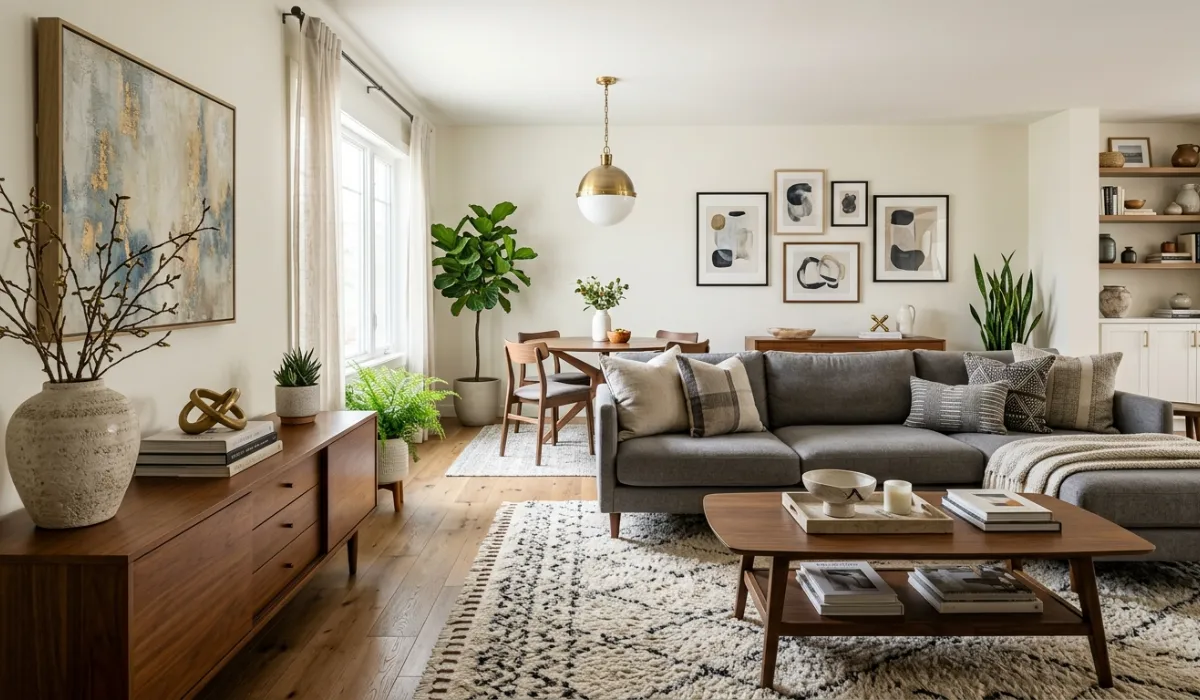
Begin with the seating arrangement and identify the room's main focal point. Then introduce a rug, layered lighting, curtains, artwork, and a limited selection of accessories.
Avoid placing decorative objects on every surface. Leaving some empty space gives important pieces more visual impact.
Bedroom Decoration
Bedrooms benefit from calm colors, controlled lighting, comfortable textiles, and reduced visual clutter. Bedside lighting should be practical, while storage should help keep everyday items organized.
Use artwork and soft furnishings to add personality without turning the sleeping area into a visually busy environment.
Kitchen Decoration
Kitchen decoration should never interfere with preparation areas, appliance access, or cleaning. Instead, focus on functional displays, attractive storage containers, lighting, hardware, and carefully selected countertop accessories.
Open shelving can provide display opportunities, but it works best when the contents are organized rather than overcrowded.
Home Office Decoration
A productive workspace needs adequate task lighting, comfortable seating, sensible cable management, and accessible storage. Decorative elements should support concentration rather than compete for attention.
A plant, framed print, or small shelf can personalize the workspace while keeping the desk functional.
Decoration Tips and Tricks Decoradyard for Outdoor Spaces
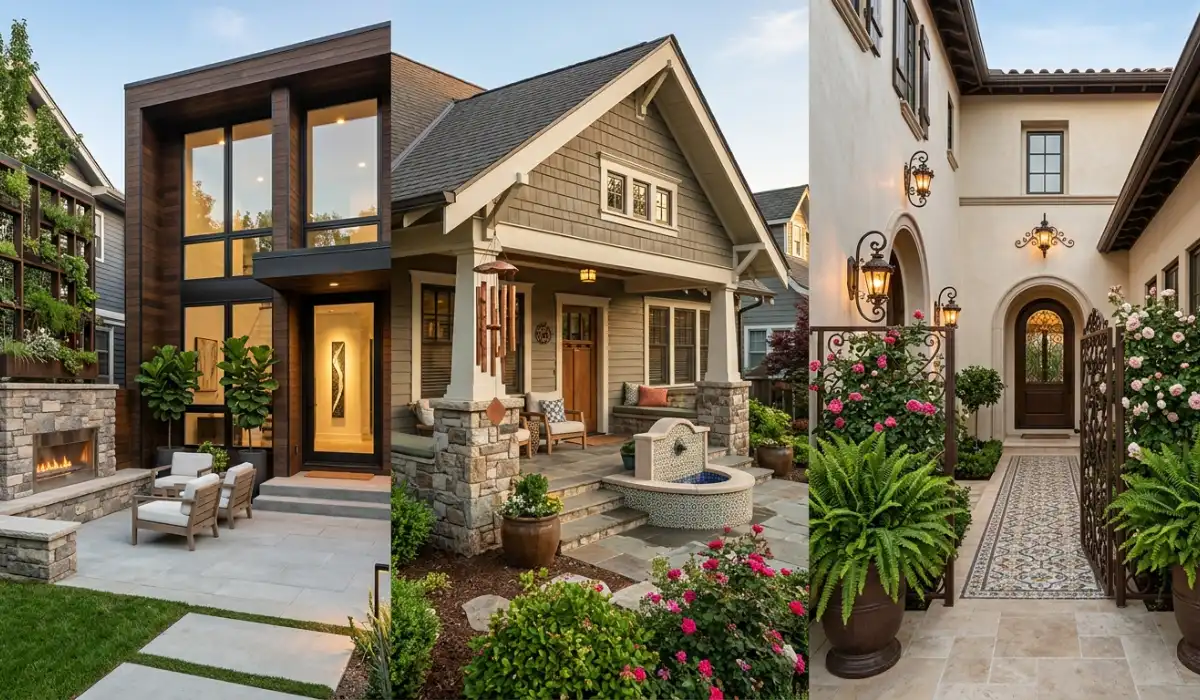
Outdoor areas should be treated as extensions of the home rather than forgotten spaces. A patio, balcony, porch, or backyard can become much more useful when its purpose is clearly defined.
Start by deciding whether the area will primarily support dining, relaxation, entertaining, gardening, or a combination of activities.
Create Outdoor Zones With Purpose
Larger yards can be divided into separate functional areas. A dining zone may sit close to the house, while a quieter seating area can occupy a garden-facing section.
Outdoor rugs, planters, furniture orientation, and lighting can establish these zones without permanent construction.
Combine Plants With Hardscape Elements
Plants provide softness and movement, while materials such as stone, timber, concrete, and metal provide structure. Combining both creates stronger visual contrast.
Use plants with different heights and forms instead of placing identical containers in a straight line.
Plan Outdoor Lighting Beyond Decorative String Lights
Outdoor illumination should support both atmosphere and safe movement. Consider pathway lighting, seating-area illumination, entrance lighting, and subtle accent lighting for plants or architectural features.
Solar fixtures can be useful in suitable locations, while wired lighting may provide more consistent illumination where installation is practical.
How to Decorate on a Budget Without Making the Home Look Cheap
A limited budget does not necessarily mean limited creativity. The most effective strategy is to spend selectively on pieces that affect comfort, function, or the overall visual composition.
Before purchasing anything, ask whether the item solves a problem or simply adds another object.
| Decorating Area | Budget-Friendly Approach | Biggest Benefit |
| Furniture | Rearrange existing pieces first | Better flow |
| Walls | Use curated artwork or photographs | Stronger personality |
| Lighting | Add lamps or improve bulb selection | Better atmosphere |
| Textiles | Replace cushions, throws, or rugs selectively | More warmth |
| Storage | Repurpose attractive containers | Less clutter |
| Outdoor areas | Add planters and functional seating | More usable space |
Refresh Before Replacing
Paint, new hardware, updated textiles, furniture rearrangement, and refinishing can sometimes extend the useful life of existing pieces.
This is especially valuable when the furniture is structurally sound but visually dated.
Pros and Cons of a DIY Decorating Approach
| Pros | Cons |
| Lower overall decorating cost | Mistakes can require additional spending |
| Greater personal control | Planning can take considerable time |
| Opportunity to reuse existing items | Some projects require specialist skills |
| Easy to experiment with accessories | Too many changes can create inconsistency |
| Can gradually improve the home | Results may take longer than a full redesign |
DIY decorating works particularly well for cosmetic changes. Electrical, structural, plumbing, or other specialist work should be approached according to appropriate professional and local requirements.
Common Decorating Mistakes That Reduce Visual Quality
Even expensive products cannot compensate for poor composition. Recognizing common mistakes can save both money and frustration.
Buying Everything From One Collection
A room where every piece looks like it came from the same set can lack personality. Mix complementary styles, materials, and shapes while maintaining an overall visual connection.
Ignoring Scale
Large artwork above a tiny piece of furniture can look disproportionate, while several tiny accessories on a large surface can disappear visually.
Consider the relationship between objects rather than judging every item separately.
Overcrowding Surfaces
Coffee tables, shelves, countertops, and consoles do not need to be completely covered. Grouping a few meaningful objects usually creates a stronger display than filling every available space.
Following Trends Too Literally
Trends can provide inspiration, but they should not dictate every purchase. Choose timeless foundations and introduce current styles through easily replaceable accessories.
Forgetting Maintenance
A decorating idea that looks impressive but requires constant maintenance may not suit a busy household. Consider cleaning, durability, sunlight exposure, moisture, pets, and everyday use before choosing materials.
A Practical Room-by-Room Decorating Workflow
The easiest way to apply decoration tips and tricks decoradyard is to work through the home systematically instead of changing everything simultaneously.
Step 1: Identify the Main Problem
Ask what currently feels wrong. Is the room too dark, cluttered, empty, uncomfortable, or visually disconnected?
Step 2: Remove What Does Not Work
Decluttering creates a clearer starting point. Keep useful or meaningful pieces and temporarily remove items that are unnecessary.
Step 3: Fix the Layout
Rearrange furniture before buying replacements. Evaluate walking paths, focal points, seating relationships, and access to windows or storage.
Step 4: Establish the Visual Direction
Choose a practical color palette and decide which materials, textures, and design characteristics should dominate.
Step 5: Improve Lighting
Address general illumination first, then add task and accent lighting where required.
Step 6: Add Textiles and Accessories
Once the major elements work together, introduce rugs, curtains, cushions, artwork, plants, and decorative objects.
Step 7: Edit the Final Result
Walk through the room and remove anything that feels unnecessary. Good decorating is often as much about editing as adding.
Decoration Tips and Tricks Decoradyard for Creating Visual Flow Between Rooms
A home does not need identical décor in every room to feel cohesive. Instead, repeat selected elements such as wood tones, metal finishes, accent colors, or similar design proportions.
For example, a color introduced subtly in the living room can appear in a hallway artwork or bedroom accessory. These connections create continuity without making every room look identical.
Use Transitional Spaces Intentionally
Hallways, entrances, stair landings, and small corners are often ignored. Yet these areas connect the home's major rooms and can influence the overall impression.
A carefully selected mirror, artwork, runner, console, plant, or lighting fixture can make these transitional spaces feel purposeful.
How to Make Decorative Choices More Sustainable
Sustainable decorating does not require replacing every product with an eco-labeled alternative. A practical starting point is to purchase less, choose durable materials, repair usable furniture, and reuse items whenever possible.
Secondhand furniture, restored wood pieces, vintage accessories, and locally produced décor can also add character while reducing dependence on disposable trends.
The principle behind decoration tips and tricks decoradyard works particularly well here because thoughtful decorating naturally encourages homeowners to evaluate what they already own before buying something new.
Seasonal Decorating Without Redesigning the Entire Home
Seasonal changes can refresh a room without requiring major purchases. The trick is to modify portable elements rather than replacing permanent furniture.
Spring and Summer
Lighter textiles, fresh greenery, brighter accent pieces, and breathable fabrics can create a more open seasonal atmosphere.
Autumn and Winter
Introduce warmer textures, deeper accent tones, layered throws, and softer lighting. These changes can alter the atmosphere while leaving the basic design intact.
Frequently Asked Questions
What is the main idea behind decoration tips and tricks decoradyard?
Decoration tips and tricks decoradyard focuses on practical decorating that combines appearance, functionality, comfort, and personal style. It encourages homeowners to improve spaces intentionally rather than simply adding more décor.
How can I decorate my home without spending much money?
Start by rearranging existing furniture, decluttering, improving lighting, changing textiles, and reusing decorative objects. Spend your budget on changes that solve visible functional or design problems first.
How many colors should a room have?
There is no universal number, but a dominant color, supporting shade, and smaller accent color provide a useful starting framework. Repeating colors in different materials can make the room feel cohesive.
What is the easiest way to improve a living room?
Begin with furniture placement and lighting. After the layout works, consider adding a properly proportioned rug, a few textiles, artwork, and carefully selected accessories.
Are mirrors useful in small rooms?
Yes. A strategically positioned mirror can reflect light and create a greater sense of visual depth. Its placement matters more than simply adding several mirrors.
How can I make my outdoor space more attractive?
First define how you want to use it, then create appropriate seating or dining zones. Add plants, durable textiles, suitable outdoor lighting, and decorative elements that complement the home's architecture.
Should every room have the same decorating style?
No. Rooms can have different personalities while still feeling connected through repeated colors, materials, finishes, or proportions.
What should I do before buying new furniture?
Measure the available space, check doorway access, identify the room's purpose, and test the proposed layout if possible. Also consider whether an existing piece could be rearranged, repaired, or repurposed.
Conclusion
Successful home decoration is less about buying more and more about making better decisions. When layout, scale, color, lighting, texture, storage, and personal style are considered together, even modest changes can make a home feel substantially more comfortable and complete.
Decoration tips and tricks decoradyard provides a useful framework for approaching those decisions systematically. Start with the room's purpose, solve functional problems first, work with what you already own, and introduce decorative details only after the foundation is working.
Whether you are updating a single bedroom, reorganizing a living room, improving a home office, or turning an unused patio into a practical outdoor area, intentional decorating can produce stronger results than following every passing trend. The best space is ultimately one that looks good, works well, and feels genuinely connected to the people who live there.
James Anderson
Passionate about transforming houses into inspired homes. Writing about practical DIY guides, interior design, and outdoor living.