Home Exterior DecoradHouse Ideas for Better Curb Appeal
James Anderson
Editorial Contributor
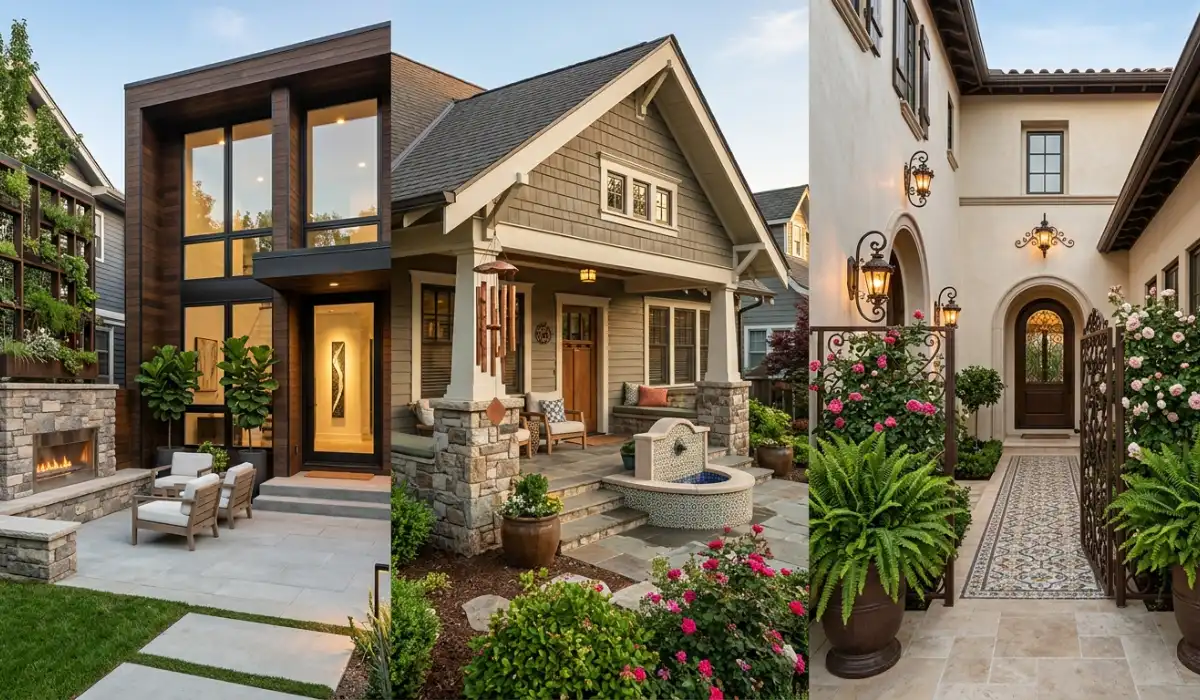
A home's exterior creates its first impression before anyone enters the front door. Home exterior decoradhouse is about improving that impression through thoughtful combinations of color, lighting, landscaping, entryway details, practical technology, and maintenance rather than relying on an expensive renovation.
The most effective exterior improvements are not necessarily the biggest ones. A carefully selected front-door color, properly positioned lighting, coordinated house numbers, healthy plants, and a tidy porch can make an ordinary facade feel considerably more intentional.
What Does Home Exterior DecoradHouse Mean?
Home exterior decoradhouse can be understood as an approach to exterior improvement that combines decorative details with practical upgrades. Instead of treating the facade, porch, garden, lighting, and security technology as unrelated projects, the idea is to make them work together visually and functionally.
This approach is particularly useful when the goal is to refresh a property without replacing major structural elements. Rather than immediately considering new siding, extensive landscaping, or a complete porch renovation, homeowners can first identify the areas that have the greatest visual and practical impact.
The Three Principles Behind a Better Exterior
A successful exterior usually balances three things: appearance, usability, and durability.
- Appearance: Color, proportions, plants, lighting, hardware, and decorative accents.
- Usability: Entry access, porch seating, pathways, visibility, and outdoor functionality.
- Durability: Exterior-rated paint, weather-resistant materials, drainage, sealants, and suitable outdoor fixtures.
When these elements are considered together, small improvements are less likely to look random or disconnected.
Start With the Front Door and Entryway
The front entrance deserves special attention because it naturally becomes one of the strongest focal points of the facade. A dated door can make an otherwise attractive exterior feel unfinished, while a well-maintained entrance can make a simple house look considerably more polished.
Before purchasing new decorations, inspect the door, frame, threshold, handle, lock, surrounding trim, and lighting. Cleaning and repairing these elements may provide more visible improvement than adding another decorative object.
Choose a Door Color That Works With the Existing Exterior
A front-door color should complement the undertones already present in the siding, brick, stone, roof, and trim. Warm materials generally work well with other warm accents, while cooler exterior palettes can support colors with blue, gray, or green undertones.
Do not choose a paint color solely because it is popular. Look at a sample outdoors at different times of day because sunlight can significantly change how the color appears.
Coordinate Door Hardware
Door handles, house numbers, mailboxes, lighting fixtures, and other visible metal details do not have to be identical, but they should look intentional together.
If the exterior already contains several finishes, adding another metal can create visual noise. Choosing one dominant finish and one carefully selected secondary finish is often enough.
Improve Exterior Lighting for Beauty and Function
Lighting is one of the most useful improvements because it changes the exterior after sunset while also improving visibility around important areas.
A good lighting plan should not simply make everything brighter. Instead, it should identify where illumination is actually needed and use different levels of light for entrances, pathways, architectural features, and outdoor living areas.
Layer Different Types of Outdoor Lighting
Consider three basic lighting functions:
- Entry lighting for the front door and lock area.
- Path lighting to make walkways easier to navigate.
- Accent lighting to highlight trees, textures, architectural details, or landscaping.
Warm white lighting can create a comfortable residential appearance, while excessively bright fixtures may make a small entrance feel harsh.
Check Outdoor Ratings Before Installation
Exterior fixtures face rain, humidity, temperature changes, dust, and sunlight. Therefore, an indoor-rated product should not simply be moved outside because it looks attractive.
Check the manufacturer's outdoor suitability and installation requirements before purchasing a fixture. Electrical work that requires new wiring or significant modification should follow local safety requirements and, where appropriate, be handled by a qualified professional.
Give the Porch a More Purposeful Layout
A porch should feel like part of the home rather than a storage area between the driveway and front door. Even a compact porch can become more welcoming when furniture and accessories are arranged around a clear purpose.
Start by removing objects that do not belong there. Then determine whether the space is primarily for sitting, greeting visitors, displaying plants, or a combination of these functions.
Use Outdoor Furniture at the Right Scale
Oversized furniture can make a narrow porch difficult to move through, while furniture that is too small may look disconnected from the building.
Leave a comfortable circulation route toward the entrance. A small bench, compact pair of chairs, or narrow outdoor table may be more effective than filling every available section of floor space.
Add Textiles and Decorative Layers Carefully
An outdoor rug can visually define a seating zone, while cushions can introduce a controlled accent color. Choose products designed for outdoor exposure and consider how easily they can be cleaned or stored.
The goal is not to cover every surface. A few coordinated pieces usually create a stronger result than many unrelated decorations.
Refresh the Exterior With Paint and Material Contrast
Painting is often one of the most noticeable ways to change an exterior, but the finish and preparation matter as much as the color.
Exterior surfaces require products designed for outdoor conditions. Using the wrong coating can result in premature fading, peeling, staining, or poor adhesion.
Use Contrast to Highlight Architectural Features
Instead of repainting the entire house, consider whether smaller areas could provide enough visual improvement.
Potential candidates include:
- Front door
- Shutters
- Trim
- Porch ceiling
- Garage door
- Window surrounds
- Selected architectural details
A restrained contrast can help architectural features stand out without making the exterior visually chaotic.
Think About Texture as Well as Color
Color is not the only tool available. Brick, wood, stone, metal, concrete, and smooth painted surfaces each create different visual textures.
Home exterior decoradhouse planning becomes more effective when these textures are balanced rather than allowing every material to compete for attention.
Upgrade House Numbers and Small Exterior Details
Small details are easy to overlook because they are individually inexpensive, but they occupy important visual positions around the entrance.
Modern house numbers, a coordinated mailbox, a clean doorbell, and a properly maintained welcome mat can make the entryway feel finished.
Make House Numbers Easy to See
A decorative number that cannot be read from the street is not particularly useful. Consider size, contrast, placement, and nighttime visibility when selecting new house numbers.
The numbers should complement the architectural style rather than appearing like an unrelated accessory.
Add Landscaping That Supports the Architecture
Landscaping should frame the house rather than hide it. A common mistake is choosing plants individually without considering their mature size, maintenance requirements, or relationship with the building.
Before planting, examine the available sunlight, drainage, soil conditions, climate, and space around doors and windows.
Build a Simple Planting Structure
A practical planting arrangement can include different heights:
- Low plants near pathways
- Medium-height shrubs around larger facade areas
- Taller plants or small trees where adequate space exists
This creates visual depth without requiring dozens of plant varieties.
Avoid Plants That Create Future Problems
A plant may look perfect when purchased but become unsuitable once it reaches mature size. Roots, branches, moisture, falling debris, and excessive shade can eventually affect paths, walls, windows, or utility areas.
Research the mature dimensions and maintenance needs before planting close to the house.
Make Walkways and Driveways Part of the Design
The route from the street or driveway to the front door strongly influences how the exterior feels. Cracked surfaces, weeds, accumulated dirt, and poor lighting can reduce the impact of otherwise attractive improvements.
Cleaning is an excellent first step. After that, address damaged surfaces, drainage problems, edging, or areas where vegetation is spreading into the walking route.
Keep Pathways Safe and Visually Clear
Pathways should remain easy to identify after dark and should not be obstructed by plants, furniture, decorative objects, or loose materials.
If a path regularly becomes slippery or holds water after rain, solve the underlying issue rather than simply adding decorations around it.
Introduce Smart Technology Where It Solves a Problem
Smart technology can make an exterior more convenient, but technology should support the home's needs rather than become decoration by itself.
Potential options include smart doorbells, compatible exterior lighting controls, smart locks, motion sensors, and selected outdoor plugs.
The best home exterior decoradhouse setup is usually selective. Installing several devices from unrelated systems can create unnecessary complexity.
Check Connectivity Before Buying Smart Devices
Wi-Fi strength at the front door or garden may differ significantly from the signal inside the house. A device that works perfectly near a router may become unreliable outside.
Before purchasing connected equipment, check whether the manufacturer's requirements match your network conditions. Compatibility between devices and your preferred smart-home platform should also be considered.
Create a Practical Exterior Upgrade Budget
You do not need to complete every improvement at once. A staged plan can make the project easier to manage and prevents spending money on low-impact decorations before important maintenance is completed.
| Upgrade Level | Examples | Main Purpose |
| Low-cost | Cleaning, house numbers, plants, door hardware | Quick visual improvement |
| Moderate | Exterior paint, lighting, porch accessories | Stronger curb appeal |
| Higher investment | Smart locks, new fixtures, landscaping changes | Function and long-term improvement |
Start with maintenance and cleaning before moving toward decorative upgrades. There is little value in installing expensive lighting around a facade that still needs basic repairs.
Prioritize Improvements by Impact
A useful order is:
- Repair and clean damaged or neglected areas.
- Improve the front entrance.
- Correct exterior lighting.
- Refine landscaping.
- Add decorative details.
- Introduce smart technology where useful.
This sequence keeps the project focused on improvements that provide both appearance and practical value.
Weatherproofing Should Be Part of the Design
Exterior decoration cannot be separated from weather exposure. Rain, ultraviolet radiation, humidity, freezing temperatures, and temperature changes can gradually damage materials.
Look for exterior-rated paints, appropriate sealants, corrosion-resistant hardware, suitable outdoor fabrics, and fixtures designed for the conditions they will experience.
Protect High-Wear Areas
Pay particular attention to:
- Door thresholds
- Porch flooring
- Exterior wood
- Masonry joints
- Pathways
- Metal hardware
- Drainage points
Regular inspection allows small maintenance issues to be addressed before they become expensive repairs.
Use a Simple Exterior Color Strategy
An attractive exterior does not need a large color palette. A controlled scheme can make different elements appear connected.
A useful approach is to select a primary exterior color, a supporting trim color, and one accent color for areas such as the front door or selected accessories.
Consider Undertones Before Mixing Colors
Two shades that appear similar on a paint card can look very different beside brick, stone, roofing, or landscaping. Undertones become particularly noticeable in outdoor light.
Test samples against the actual exterior before committing to a large quantity of paint.
Common Mistakes That Reduce Exterior Appeal
Even good individual ideas can produce a poor overall result when they are applied without a plan. The following mistakes are particularly easy to make during an exterior refresh.
Adding Too Many Decorative Objects
A porch does not become more sophisticated simply because more items are added. Too many planters, signs, lanterns, furniture pieces, and seasonal decorations can hide the architecture and make the entrance feel crowded.
Choosing Trends Over the Architecture
A modern accessory may look excellent in isolation but unsuitable beside a traditional facade. Work with the home's existing proportions and materials instead of forcing an unrelated style onto it.
Ignoring Maintenance
Fresh decorations cannot compensate for peeling paint, damaged pathways, clogged drainage, or neglected landscaping.
Maintenance should always come before cosmetic layering.
Installing Smart Devices Without Planning
Different ecosystems, weak connectivity, unsuitable outdoor ratings, and complicated controls can turn a convenient upgrade into a frustrating one.
Technology should simplify the property rather than create another maintenance task.
A More Effective Home Exterior DecoradHouse Upgrade Plan
The strongest home exterior decoradhouse strategy is not about copying a particular house or buying every recommended product. It is about evaluating the property as a complete visual and functional system.
Stand across the street and identify the first three things that attract your attention. Then walk toward the entrance and look for the areas that appear dated, poorly maintained, dark, crowded, or disconnected.
The 30-Minute Exterior Audit
You can make a simple inspection by checking:
- Is the front door clean and visually appealing?
- Can house numbers be easily seen?
- Is the entrance adequately illuminated?
- Are plants healthy and appropriately sized?
- Are pathways clean and unobstructed?
- Does the porch have a clear purpose?
- Do visible metals and colors coordinate?
- Are exterior surfaces showing signs of wear?
- Does outdoor technology work reliably?
- Are there areas that need repair before decoration?
This audit helps turn a vague desire for a “better exterior” into a practical improvement list.
Pros and Cons of This Exterior Approach
| Pros | Cons |
| Can improve curb appeal without a complete renovation | Some changes still require professional installation |
| Allows projects to be completed in stages | Exterior materials require regular maintenance |
| Combines decoration with practical improvements | Smart technology can introduce compatibility issues |
| Works with many architectural styles | Weather can shorten the life of inexpensive products |
| Makes it easier to prioritize spending | Large structural problems cannot be solved with decor alone |
Frequently Asked Questions
How can I improve my home's exterior without a major renovation?
Start with cleaning, repairs, the front door, exterior lighting, house numbers, landscaping, and porch organization. These areas can create substantial visual improvement without changing the building's structure.
What is the most important part of a home's exterior?
The entrance is usually one of the most important areas because the front door, lighting, house numbers, pathway, and surrounding landscaping naturally attract attention.
Is exterior lighting worth adding?
Yes, when it is properly planned. Lighting can improve nighttime visibility while highlighting the entrance, pathways, landscaping, and architectural features.
Should smart technology be part of an exterior upgrade?
It can be useful when it solves a genuine problem. Smart locks, doorbells, sensors, and lighting controls can improve convenience, but compatibility, connectivity, weather resistance, and installation requirements should be checked first.
How do I choose exterior colors?
Consider the existing roof, siding, brick, stone, trim, and surrounding landscape. Test paint samples outside and observe them in different lighting conditions before making a final decision.
How can I make a small porch look better?
Keep the furniture proportional to the available space and establish one clear purpose. A compact seating arrangement, outdoor rug, suitable lighting, and a few coordinated plants can make a small porch feel intentional.
How often should exterior improvements be maintained?
The schedule depends on the material and local weather conditions. Inspect painted surfaces, wood, masonry, drainage, lighting, hardware, and landscaping regularly so small problems can be addressed early.
Conclusion
The best home exterior decoradhouse improvements do not depend on expensive products or dramatic construction. They come from understanding which exterior elements deserve attention first and making those elements work together.
Start with maintenance, then improve the entrance, lighting, porch, landscaping, pathways, and small architectural details. Add smart technology only when it provides a genuine practical benefit, and always consider weather resistance and long-term maintenance before making a purchase.
A successful exterior should look attractive in photographs, but it should also function well every day. With a deliberate plan and a focus on high-impact improvements, even a modest exterior can feel more welcoming, cohesive, and carefully designed.
James Anderson
Passionate about transforming houses into inspired homes. Writing about practical DIY guides, interior design, and outdoor living.