Home Exterior Hacks DecoradHouse for a Better Home
James Anderson
Editorial Contributor
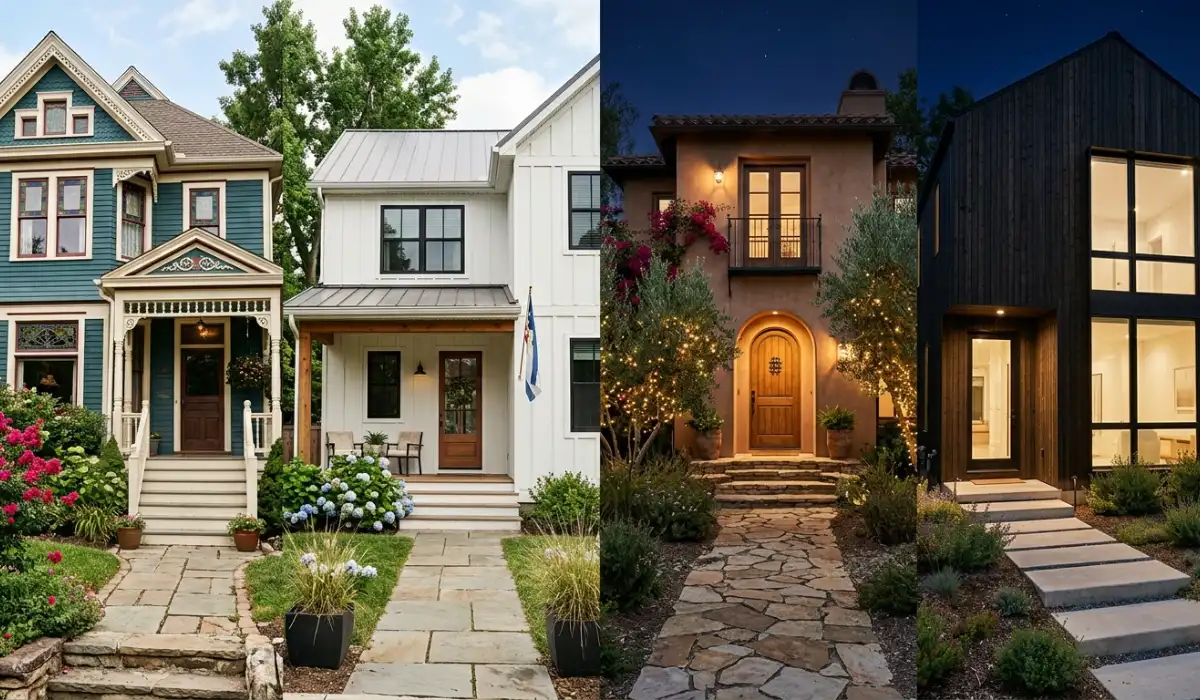
Your home's exterior creates the first impression long before anyone enters the front door. Fortunately, improving that impression does not always require expensive landscaping, a complete repaint, or a major renovation. With the right home exterior hacks decoradhouse, you can improve curb appeal, comfort, safety, and durability through carefully selected upgrades.
The most effective approach is to treat the exterior as a complete system rather than a collection of decorations. Paint, lighting, landscaping, hardware, drainage, pathways, security, and outdoor living areas should work together. A small change can look surprisingly sophisticated when it solves a practical problem at the same time.
What Makes Home Exterior Hacks DecoradHouse Different?
The idea behind home exterior hacks decoradhouse is simple: make targeted improvements that produce a noticeable result without unnecessarily rebuilding the property. Instead of spending money on every trend, focus on areas that people see, touch, and use most often.
A successful exterior upgrade should ideally accomplish at least one of four things: improve appearance, increase usability, protect materials, or make the property easier to maintain. The best projects often accomplish two or more at once.
Start With the Exterior Features That Matter Most
Before buying anything, walk from the street toward your entrance and examine the property from a visitor's perspective. Look for faded surfaces, clutter, poor lighting, cracked paths, overgrown plants, damaged hardware, and areas where water collects.
Take photographs during both daylight and evening. This simple step can reveal problems that are easy to overlook when you see the house every day.
Think in Layers Rather Than One Big Makeover
A balanced exterior usually contains several visual layers:
- A clean architectural background
- A defined entrance
- Appropriate exterior lighting
- Controlled greenery
- Functional pathways
- A small amount of decorative detail
This layered approach prevents the common mistake of adding too many decorative objects while leaving basic maintenance problems untouched.
Improve the Front Door Without Replacing It
The front door is one of the highest-impact areas for an affordable exterior refresh. Repainting it, replacing worn hardware, updating the house numbers, and improving the surrounding lighting can completely change the character of an entrance.
Choose exterior-grade paint and prepare the surface properly before applying a new finish. Cleaning, sanding damaged areas, repairing cracks, and using the correct primer are often more important than the paint color itself.
Choose Door Colors Based on the Existing Exterior
Instead of choosing a color simply because it is fashionable, consider the roof, siding, brick, stone, trim, and surrounding landscape. A bold door can become an attractive focal point, but it should still relate to the rest of the home's color palette.
For a restrained appearance, use one strong accent color and keep surrounding elements quieter. If the architecture already contains several colors or textures, a neutral door may create better visual balance.
Upgrade Door Hardware and House Numbers
New hardware is relatively inexpensive but highly visible. Coordinate the finish of the handle, lock, door knocker, mailbox, house numbers, and nearby lighting fixtures rather than mixing several unrelated metallic finishes.
Black, bronze, brushed nickel, and brass can all work well when used intentionally. The important factor is consistency rather than choosing one universally "correct" finish.
Use Exterior Lighting for Beauty and Safety
Lighting is one of the most useful home exterior hacks decoradhouse because it changes both appearance and functionality. Good outdoor lighting should illuminate important areas without producing harsh glare or shining directly into neighboring properties.
Warm-white lighting around 2700K–3000K is often suitable for residential entrances because it creates a comfortable atmosphere. Path lighting, wall sconces, porch fixtures, and accent lights can then be used for different purposes.
Build a Simple Three-Layer Lighting Plan
Instead of installing random lights, divide exterior illumination into three categories:
| Lighting layer | Main purpose | Suitable locations |
| Ambient | General visibility | Porch, patio, covered areas |
| Task | Safe movement | Steps, driveway, walkway |
| Accent | Architectural appeal | Trees, walls, landscaping |
This approach helps prevent an exterior from becoming either too dark or excessively bright. Motion sensors can also be useful around service areas and side entrances where constant lighting is unnecessary.
Avoid Common Outdoor Lighting Problems
Fixtures should be rated for their intended outdoor location. Wet locations require appropriately rated products, while exposed wiring should be installed according to local electrical requirements.
Avoid placing extremely bright fixtures directly at eye level. Light should guide movement and highlight architectural features rather than creating glare.
Make the Walkway Look More Intentional
A neglected walkway can undermine an otherwise attractive exterior. You may not need to replace it; cleaning, repairing small defects, defining its edges, and adding appropriate lighting can produce a substantial improvement.
Pressure washing can remove accumulated dirt and biological growth from suitable hard surfaces, but the pressure and nozzle should be appropriate for the material. Excessive pressure can damage soft stone, mortar joints, wood, or older concrete.
Define Edges With Simple Materials
A walkway often looks more finished when its boundary is visually clear. Depending on the property, edging can be created with pavers, gravel, low planting, mulch, or a narrow contrasting border.
Keep the treatment consistent with the architecture. A formal masonry house may suit structured paver edging, while a casual cottage-style property can work better with softer planting or natural stone.
Refresh the Landscaping Without Creating More Maintenance
Landscaping should frame the house rather than hide it. Overgrown shrubs can cover windows, block pathways, interfere with lighting, and make a property appear less maintained even when the plants themselves are healthy.
One of the most practical home exterior hacks decoradhouse is to simplify planting around the entrance. Use a limited selection of plants with different heights, textures, and seasonal characteristics instead of filling every available space.
Select Plants for the Actual Site
Consider sunlight, drainage, soil conditions, mature plant size, and local climate before purchasing greenery. A plant that looks attractive at the garden center may become a maintenance problem if it outgrows its location.
Native or well-adapted plants can often reduce irrigation and maintenance requirements. Keep mature dimensions in mind so that today's small shrub does not become tomorrow's blocked window.
Use Planters to Add Flexible Color
Container plants are useful when you want seasonal changes without rebuilding a garden bed. Place matching or coordinated planters near the entrance to create symmetry, or use a deliberate asymmetrical arrangement when the architecture supports it.
Choose containers that complement the door and exterior materials. The goal is to create visual connection rather than introduce another unrelated color or texture.
Hide Outdoor Clutter Without Making the Property Look Closed In
Garbage bins, hoses, extension cables, tools, children's equipment, and outdoor accessories can quickly make an attractive property look untidy. Concealing these items is one of the easiest ways to improve visual cleanliness.
A small enclosure made from lattice, slatted panels, fencing, or weather-resistant screening can hide bins while maintaining airflow. For hoses, a wall-mounted reel or concealed storage box can prevent an otherwise attractive porch or side yard from looking disorganized.
Organize Exterior Cables and Equipment
Outdoor technology introduces another form of clutter. Security cameras, lighting cables, speakers, and smart devices should be positioned carefully so that their wiring does not become a visual distraction.
Use suitable outdoor-rated cable-management products and follow manufacturer requirements. Never improvise electrical connections simply to make an installation look cleaner.
Give the Porch the Comfort of an Outdoor Room
A porch should be treated as usable living space rather than a storage zone. A small chair, bench, outdoor rug, side table, and a few plants can make the entrance feel welcoming without overcrowding it.
Furniture should leave sufficient clearance for people to enter and exit comfortably. If the porch is narrow, prioritize one or two functional pieces rather than trying to reproduce a complete living room outdoors.
Choose Outdoor Materials Carefully
Exterior furniture is exposed to ultraviolet radiation, moisture, temperature changes, dirt, and sometimes salt or pollution. Materials designed specifically for outdoor conditions generally perform better than indoor furniture placed outside temporarily.
Outdoor rugs should allow water to drain and dry. Cushions should be stored or protected during prolonged periods of bad weather, particularly in climates with high humidity.
Protect Paint, Wood, Brick, and Other Exterior Materials
A visually attractive exterior is not successful if its surfaces deteriorate quickly. Weather resistance should therefore be considered alongside appearance.
Use exterior-rated coatings for exposed surfaces and follow the manufacturer's preparation and curing requirements. Wood may require a suitable stain, paint, or protective coating depending on its species and exposure.
Pay Attention to Drainage and Water Management
Water is one of the most damaging forces around a house. Blocked gutters, poorly directed downspouts, standing water, and soil touching vulnerable materials can contribute to staining, rot, erosion, and moisture problems.
Make sure gutters are maintained and downspouts direct water away from the foundation where appropriate. Correcting drainage problems should take priority over cosmetic upgrades because preventing damage is usually more valuable than disguising it.
Inspect Exterior Sealants Regularly
Sealant around windows, doors, joints, and penetrations can deteriorate over time. Cracked or separated sealant can allow water and air to enter vulnerable areas.
Inspect these locations periodically and use a sealant appropriate for the specific material and exposure. Proper surface preparation is essential for adhesion.
Add Smart Technology Where It Actually Helps
Smart technology can make an exterior more convenient, but adding gadgets simply because they are fashionable can create unnecessary complexity. A smart lock, video doorbell, lighting timer, or outdoor camera can be valuable when it solves a specific need.
Before installing connected devices, check Wi-Fi coverage at the intended location. Exterior walls, masonry, metal doors, and distance from the router can significantly affect wireless performance.
Check Compatibility Before Buying Smart Devices
A common mistake is purchasing products from several ecosystems without checking how they interact. Choose devices that are compatible with your preferred smart-home platform when possible.
Standards such as Matter can improve interoperability between supported products, but compatibility should still be verified for the specific device and controller combination before purchase.
Protect Outdoor Smart Devices From the Elements
Exterior electronics need appropriate weather resistance for their installation location. Do not assume that a device advertised for "outdoor use" can be exposed in every situation.
Check the manufacturer's installation requirements, temperature limits, mounting instructions, and power requirements. Proper placement can be just as important as the device itself.
Improve Curb Appeal With Architectural Contrast
One of the more advanced home exterior hacks decoradhouse is to create contrast deliberately rather than adding more decoration. Contrast can come from color, texture, scale, lighting, or material.
For example, a dark front door against a lighter facade can create a strong focal point. Natural wood tones can soften masonry, while black metal accents can provide definition against lighter siding.
Use the Rule of Visual Repetition
Repeating one or two exterior elements can make a property look more coordinated. If black appears on the door hardware, repeating it in the house numbers and lighting fixtures can establish a visual connection.
Do not repeat every element everywhere. Too much repetition can make the exterior feel artificial, while carefully repeated details create cohesion.
Affordable Exterior Upgrades: Where Should You Spend First?
Not every project deserves the same budget. A useful strategy is to prioritize improvements according to visibility, function, durability, and maintenance requirements.
| Priority | Upgrade | Typical benefit |
| High | Repair damaged surfaces | Protects the property |
| High | Improve entry lighting | Safety and curb appeal |
| High | Clean paths and facade | Immediate visual improvement |
| Medium | Door hardware | Strong decorative impact |
| Medium | Planters and landscaping | Adds color and structure |
| Medium | Porch furniture | Improves usability |
| Optional | Smart exterior devices | Convenience and security |
This priority system helps prevent spending heavily on decorative items while ignoring maintenance problems. A clean, repaired exterior usually provides a stronger foundation for later styling.
Free and Low-Cost Improvements to Try First
Some of the most effective improvements require little or no new equipment:
- Remove unnecessary porch items.
- Trim plants away from paths and windows.
- Clean the front door and exterior fixtures.
- Reposition existing furniture.
- Organize hoses and outdoor equipment.
- Wash suitable hardscape surfaces.
- Replace dead or damaged plants.
Once these basics are complete, you can see which paid upgrades are actually necessary.
Common Mistakes That Reduce Exterior Appeal
Even good ideas can produce poor results when they are applied without considering the existing property. Avoiding mistakes is therefore just as important as choosing upgrades.
Mistake 1: Adding Too Many Decorative Elements
A front entrance does not need multiple signs, pots, lanterns, rugs, ornaments, and furniture competing for attention. Select a few elements that reinforce the architecture and remove anything that does not serve a purpose.
Mistake 2: Ignoring Scale
A tiny light fixture can disappear beside a large doorway, while oversized planters can make a narrow entrance feel cramped. Measure the area before purchasing major decorative elements.
Mistake 3: Choosing Materials Without Considering Climate
An attractive material may perform poorly under constant sun, heavy rain, freezing temperatures, or high humidity. Exterior products should be selected according to their exposure conditions, not appearance alone.
Mistake 4: Treating Maintenance as an Afterthought
The most beautiful exterior becomes difficult to enjoy if it requires constant cleaning, watering, repainting, or repairs. Consider the long-term maintenance requirement before committing to an upgrade.
A Practical Step-by-Step Exterior Upgrade Plan
If you want to implement home exterior hacks decoradhouse without becoming overwhelmed, complete the work in stages.
Step 1: Evaluate the Property
Photograph the exterior from the street, driveway, entrance, and side approaches. Identify the three problems that have the greatest visual or functional impact.
Step 2: Fix Maintenance Issues
Clean surfaces, clear gutters, repair damaged areas, control vegetation, improve drainage where necessary, and remove clutter before purchasing decorative items.
Step 3: Improve the Entry
Focus on the front door, house numbers, hardware, lighting, and surrounding plants. These elements receive considerable attention and can produce a strong return from a relatively small project.
Step 4: Improve Movement and Safety
Check steps, railings, paths, driveway surfaces, and exterior lighting. Correct hazards before focusing on purely decorative improvements.
Step 5: Add Technology Selectively
Install smart lighting, security equipment, or access-control products only when they solve a genuine problem. Confirm power, Wi-Fi, weather resistance, and platform compatibility first.
Step 6: Finish With Decorative Details
Once the functional work is complete, add planters, outdoor furniture, rugs, or other accessories. This sequence produces a more polished result because decoration is being added to a prepared exterior.
How to Choose the Best Home Exterior Hack for Your Property
The best home exterior hacks decoradhouse are not necessarily the most expensive or most popular ones. Start with the part of the property that looks neglected, performs poorly, or causes the most frustration.
Consider four questions before beginning a project:
- Will this improve appearance?
- Will it improve safety or usability?
- Will it protect the property?
- Can I maintain it easily?
If an upgrade answers several of these questions, it is more likely to be worthwhile.
Frequently Asked Questions
What are the easiest exterior upgrades for a home?
Cleaning, decluttering, improving entrance lighting, updating house numbers, refreshing door hardware, trimming plants, and adding coordinated planters are among the easiest improvements. They can change the appearance without requiring structural renovation.
How can I improve curb appeal without spending a lot?
Begin with maintenance rather than shopping. Clean the exterior, improve the entry, remove clutter, define pathways, and maintain landscaping before investing in larger decorative projects.
Is exterior lighting worth adding?
Yes, when it is designed for both visibility and atmosphere. Path lighting can improve movement around the property, while wall and accent lighting can highlight architectural features.
Should all exterior hardware match?
It does not have to be identical, but using a coordinated finish family usually creates a more intentional appearance. If you mix finishes, repeat each finish deliberately rather than introducing many unrelated metals.
Are smart exterior devices useful?
They can be, particularly for lighting, entry access, security, and automation. Their usefulness depends on reliable power, network coverage, environmental suitability, and compatibility with your existing smart-home system.
What should I fix before decorating the exterior?
Prioritize water management, damaged surfaces, unsafe paths or steps, deteriorating wood, faulty lighting, and other maintenance issues. Decorative improvements should come after fundamental problems are addressed.
Conclusion
The most effective home exterior hacks decoradhouse approach is not about making a property look expensive overnight. It is about making thoughtful improvements where appearance, function, durability, and maintenance overlap.
Start with cleaning and repairs, then improve the entrance, lighting, pathways, landscaping, and outdoor organization. After the fundamentals are working properly, introduce coordinated colors, furniture, planters, and smart technology where they genuinely add value.
A successful exterior does not need dozens of upgrades. A clean walkway, well-maintained door, appropriately scaled lighting, healthy landscaping, organized equipment, and a few carefully selected details can create a noticeably more attractive and functional home without turning the project into a full renovation.
James Anderson
Passionate about transforming houses into inspired homes. Writing about practical DIY guides, interior design, and outdoor living.