Interior decorating: A Practical Guide to Beautiful, Functional Rooms
James Anderson
Editorial Contributor
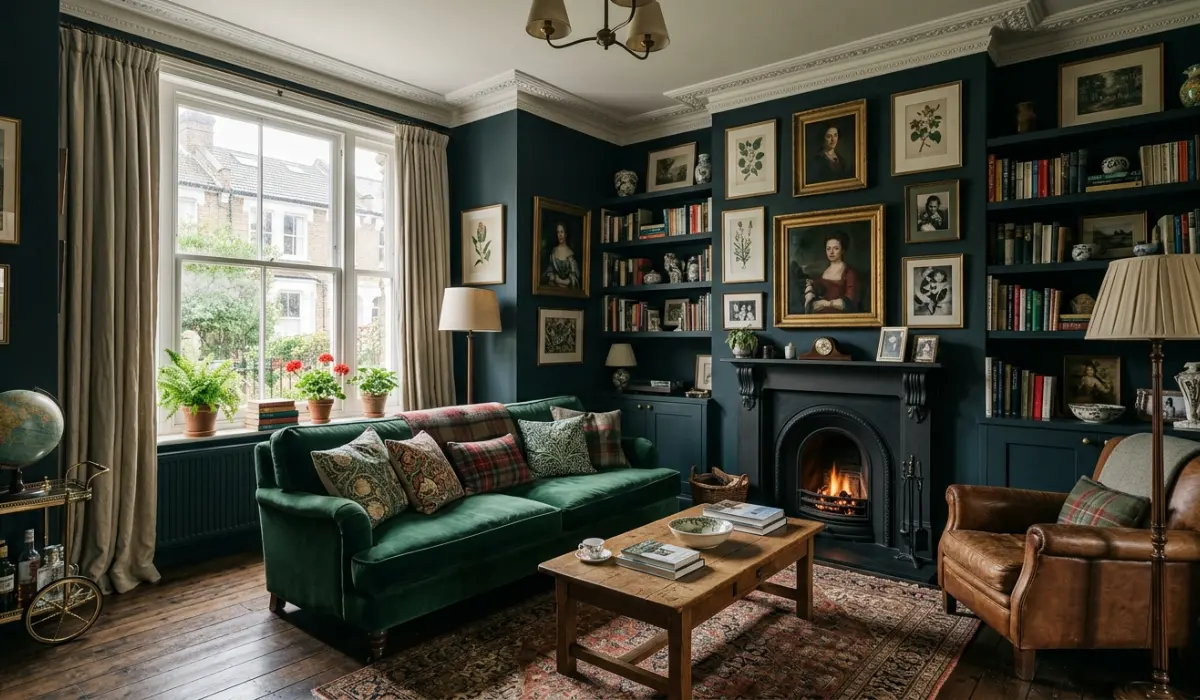
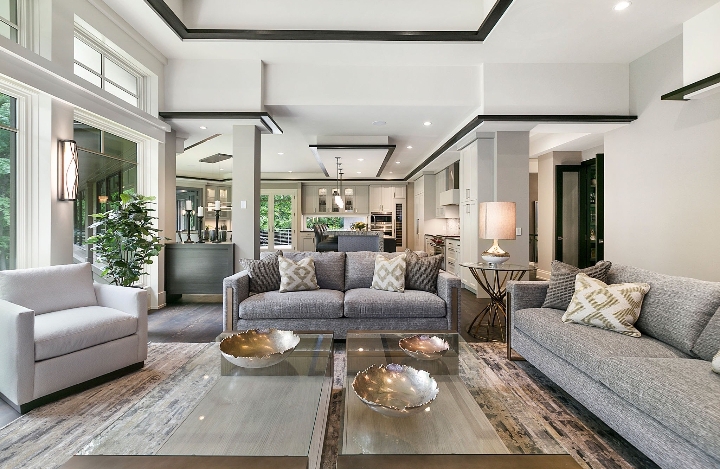
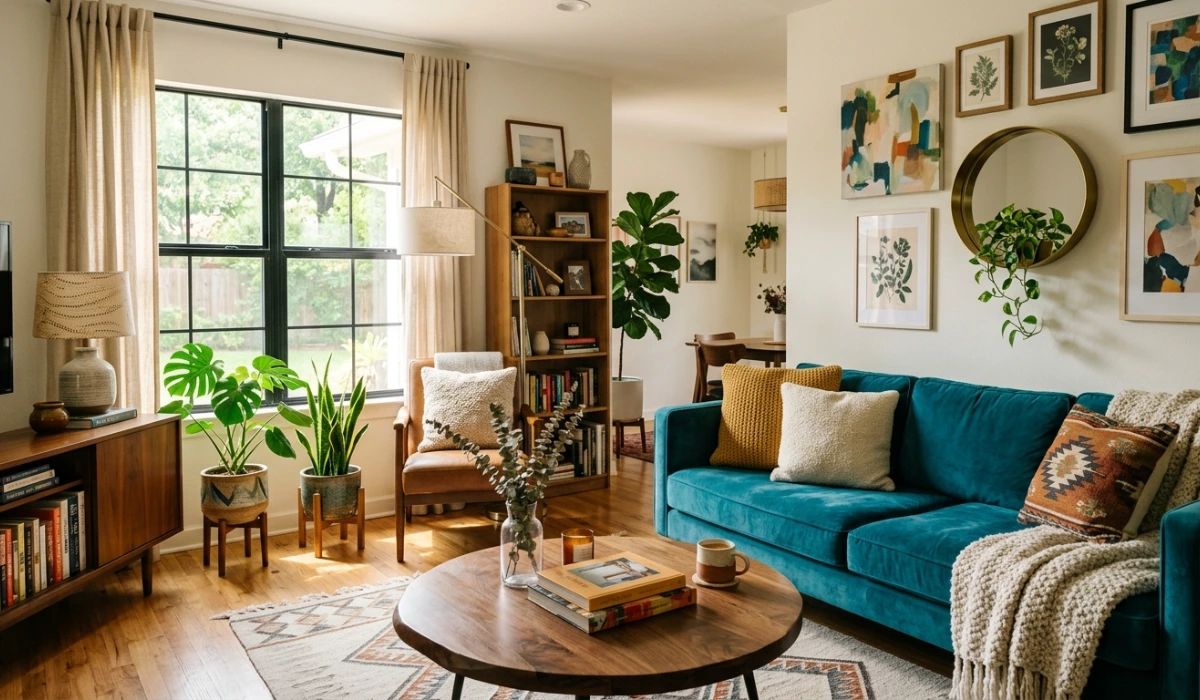
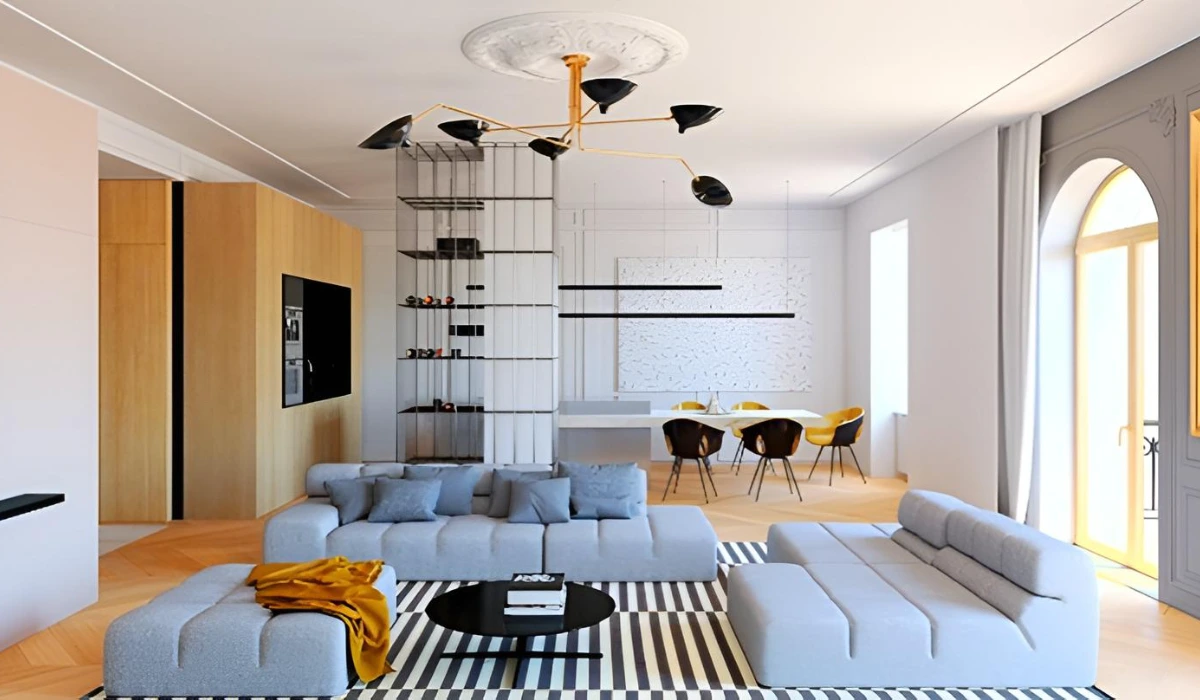
Interior decorating is the process of turning a house, apartment, or individual room into a space that feels comfortable, functional, attractive, and connected to the people who use it. It involves much more than choosing furniture or painting a wall.
The most successful rooms combine several elements at once: proportion, furniture placement, color, lighting, texture, materials, storage, artwork, and personal details. When these elements work together, even a relatively simple room can look polished without feeling overdesigned.
Whether you are refreshing one bedroom or planning the look of your entire home, the key is to make decisions in the correct order. This guide explains how to plan a room, choose a decorating style, arrange furniture, develop a color palette, layer lighting, use textures, and avoid common decorating mistakes.
What Does Interior decorating Actually Include?
At its core, Interior decorating focuses on the visual and functional character of an existing interior. It can involve paint colors, furniture, rugs, curtains, lighting fixtures, artwork, mirrors, decorative objects, fabrics, plants, and other finishing elements.
Interior design can involve broader structural and spatial decisions, including architectural planning, electrical layouts, built-in features, and construction changes. Decorating can still make a dramatic difference without changing the structure of the property.
A useful decorating process considers three questions before anything is purchased:
- How will the room be used?
- What does the space physically allow?
- What atmosphere should the finished room create?
Answering these questions first prevents many expensive decorating mistakes.
Start With Function Before Choosing Decoration
One of the biggest mistakes homeowners make is buying attractive objects before deciding how the room needs to work. A beautiful chair is not useful if it blocks a walkway, and an impressive coffee table may be inconvenient if there is not enough clearance around it.
Begin by identifying the room's primary activities. A living room might need conversation seating, entertainment space, storage, and reading areas, while a bedroom may prioritize sleep, clothing storage, dressing, and relaxation.
Create a Simple Room Plan
Measure the length and width of the room before shopping. Also record ceiling height, doors, windows, radiators, built-in cabinets, electrical outlets, and other fixed features.
A simple floor plan can help you test different arrangements before physically moving furniture. Marking furniture footprints with removable tape is another inexpensive way to judge whether an item will fit.
Think About Movement
Good room planning leaves practical pathways between important areas. People should be able to enter, sit, open doors, access storage, and move between rooms without constantly navigating around furniture.
Do not assume that every item must sit against a wall. In larger rooms, floating a sofa or creating a central seating group can make the layout feel more purposeful.
Choose a Decorating Style Without Making Your Home Look Generic
A decorating style provides direction, but it should not become a rigid rule. Modern, traditional, minimalist, contemporary, rustic, Scandinavian, transitional, industrial, and eclectic interiors can all work when their individual elements are carefully balanced.
Instead of choosing a style name and buying everything associated with it, identify the visual qualities you genuinely like.
Look for repeated characteristics in your inspiration images. You might prefer warm wood, soft neutral colors, curved furniture, natural fabrics, vintage pieces, or clean architectural lines.
Create a Personal Design Vocabulary
Your home becomes more distinctive when you develop a consistent vocabulary of materials, colors, shapes, and finishes.
For example, warm timber could appear in furniture, shelving, and small decorative objects. Rounded forms might appear in a coffee table, mirror, lamp, and occasional chair.
These repeated details create cohesion without requiring every item to match.
Build a Color Scheme That Works With the Existing Space
Color is one of the most influential elements in Interior decorating, but choosing colors individually can create an inconsistent result.
Before selecting paint, examine permanent features that are expensive or difficult to replace. Flooring, countertops, cabinetry, tiles, architectural stone, and large furniture pieces should influence the overall palette.
A practical palette usually contains a dominant color family, supporting tones, and smaller accent colors.
Test Paint Under Different Lighting
Never judge a paint color only from a small store card. Place larger samples on the actual wall and observe them at different times of the day.
Natural daylight, artificial lighting, nearby furniture, flooring, and surrounding wall colors can all influence how a shade appears.
A color that looks warm in morning sunlight may appear considerably different under artificial evening lighting. Testing before painting the entire room reduces the chance of an expensive correction later.
Use Contrast Carefully
Contrast can come from more than bright colors. Dark and light tones, rough and smooth textures, curved and straight forms, and matte and reflective finishes can all create visual contrast.
A room with too little contrast may feel flat, while excessive contrast can make it visually restless. Aim for controlled variation.
Understand Furniture Scale and Proportion
Furniture should relate to the dimensions of the room and to the other objects around it. A very large sectional may overwhelm a narrow living room, while several tiny chairs can make a large room feel fragmented.
Scale is especially important when purchasing furniture online because photographs can make products difficult to judge accurately.
Measure Before You Order
Measure the available floor area and compare it with the manufacturer's dimensions. Also check doorway, staircase, elevator, and hallway measurements if the furniture needs to be delivered.
Consider the entire footprint rather than only the width. A reclining chair, extendable table, or deep sofa may require significantly more usable space than its basic dimensions suggest.
Create Visual Balance
Balance does not mean placing identical objects on both sides of a room. It means distributing visual weight so that one side does not feel unnecessarily heavy.
A large sofa might be balanced by a substantial chair, floor lamp, artwork, or storage unit elsewhere in the composition.
Establish a Strong Focal Point
Every room benefits from some form of visual hierarchy. Without one, the eye may move randomly between competing objects.
A fireplace, architectural feature, large window, artwork, statement light, textured wall, or distinctive piece of furniture can serve as a focal point.
Once you identify the focal point, arrange supporting elements around it. Avoid giving every object the same visual importance.
Arrange Furniture Around Real Activities
Furniture placement should reflect how people actually use a room rather than simply filling empty walls.
In a living room, seating should support conversation while maintaining practical movement. In a bedroom, the bed generally becomes the primary anchor, while bedside furniture and lighting should support everyday routines.
A dining room should provide enough clearance for chairs to move comfortably, and a home office should prioritize desk position, task lighting, storage, and access to power.
Divide Large Open Spaces Into Zones
Open-plan rooms can become visually confusing when there is no distinction between activities.
Use furniture orientation, rugs, lighting, shelving, ceiling fixtures, or changes in texture to establish separate zones without constructing walls.
For example, a rug and sofa can define the living area while a pendant light and dining table visually establish the dining zone.
Layer Different Types of Lighting
Lighting can completely change the appearance of a room. Even an excellent furniture arrangement can feel uncomfortable if the only illumination comes from a harsh overhead fixture.
A well-planned lighting scheme usually combines ambient, task, and accent lighting.
Ambient Lighting
Ambient lighting provides general illumination throughout the room. Ceiling fixtures, recessed lighting, architectural lighting, and larger fixtures can contribute to this layer.
Task Lighting
Task lighting is positioned around activities that require focused illumination. Reading lamps, desk lamps, vanity lights, and under-cabinet lighting are common examples.
Accent Lighting
Accent lighting highlights selected features such as artwork, shelving, plants, architectural details, or decorative objects.
Using several lighting layers gives you greater control over the atmosphere and functionality of the room.
Use Rugs to Define Furniture Groups
A rug can connect furniture visually and make a seating or dining arrangement feel intentional.
One common problem is choosing a rug that is too small. Instead of looking integrated with the furniture, a tiny rug can appear disconnected from the rest of the room.
Before purchasing, outline the proposed rug size on the floor with painter's tape. This lets you see whether the proportions work with your furniture.
Add Texture Instead of Relying Only on Color
Texture gives a room depth and makes a space feel more layered. This is especially valuable in neutral rooms where there may be fewer dramatic color differences.
Consider combining materials such as wood, woven fibers, stone, metal, glass, ceramics, leather, upholstery, and natural textiles.
Mix Materials With Intention
Different materials do not need to match exactly. They simply need some relationship with one another.
For example, warm wood can be paired with woven fabrics, ceramic accessories, brushed metal, and soft upholstery. Repeating a material or finish in several locations helps prevent the room from feeling random.
Introduce Patterns Without Overloading the Room
Patterns add movement and personality, but too many unrelated patterns can compete for attention.
Choose one dominant pattern and use smaller patterns as supporting elements. They can appear through rugs, upholstery, curtains, artwork, cushions, wallpaper, or even smaller decorative objects.
Pattern does not have to be limited to soft furnishings. A patterned wall treatment, tiled surface, upholstered chair, or decorative screen can introduce visual interest in a more substantial way.
Treat Walls as Part of the Overall Composition
Blank walls can make a room feel unfinished, but filling every empty area can create another problem: visual clutter.
Think about artwork and wall decoration in relation to the furniture beneath them. A small piece above a large sofa may look undersized, while an oversized artwork can dominate a narrow wall.
Alternatives to Traditional Artwork
Depending on the room, you can use:
- Mirrors
- Large-scale artwork
- Textile wall hangings
- Shelving
- Wallpaper
- Decorative molding
- Collections of related objects
- Architectural paint treatments
The goal is not to cover every wall. Empty space can provide valuable visual breathing room.
Do Not Ignore the Ceiling
The ceiling is often treated as an afterthought, even though it represents a major surface within the room.
A ceiling can contribute through color, wallpaper, beams, paneling, decorative molding, or an appropriately scaled light fixture.
However, a dramatic ceiling treatment should relate to the rest of the room. If it has no connection to the furniture, colors, or architectural character, it can feel isolated.
Create Continuity Between Different Rooms
A home does not need to look identical from room to room. In fact, making every space exactly the same can remove personality.
Instead, use repeated visual elements to establish continuity. The same wood tone, metal finish, accent color, shape, or textile quality can appear in several rooms without becoming repetitive.
This approach allows each space to have its own identity while still feeling like part of the same home.
Room-Specific Decorating Strategies
Different rooms have different functional requirements, so a successful decorating approach should adapt to the purpose of each space.
Living Room
Start with seating, circulation, the focal point, lighting, and rug size. Decorative accessories should be added after these larger decisions have been resolved.
Bedroom
Prioritize the bed position, storage, lighting, privacy, and comfort. Layer bedding, curtains, rugs, and upholstery to introduce softness without making the room feel crowded.
Dining Room
The dining table should have enough surrounding space for comfortable movement. Lighting should visually anchor the table without interfering with sightlines or everyday use.
Entryway
An entryway needs to look welcoming while handling practical items such as shoes, bags, keys, and coats. Storage should therefore be incorporated into the decorative plan.
Home Office
A productive office requires more than an attractive desk. Consider ergonomic positioning, task lighting, cable organization, storage, screen placement, and visual distractions.
Make Storage Part of the Decorating Plan
Storage has a major effect on how organized a room looks. When everything remains visible, even attractive objects can eventually create visual noise.
Use closed cabinets, drawers, baskets, and cupboards for items that need to be accessible but do not contribute to the room's visual composition.
Open shelves can then be reserved for books, artwork, plants, ceramics, photographs, and other objects that add personality.
Choose Materials Based on Your Lifestyle
A decorating choice should look good, but it also needs to survive the conditions of the home.
Think about pets, children, humidity, sunlight, cooking, foot traffic, cleaning routines, and maintenance requirements before choosing fabrics, flooring, rugs, finishes, and surfaces.
For high-use areas, durability may be more important than choosing the most delicate material available. The best decorative decision is often the one that continues to perform well after years of normal use.
Common Interior decorating Problems and Their Solutions
Many rooms do not require a complete makeover. They simply need one or two underlying problems corrected.
| Decorating Problem | Possible Reason | Practical Solution |
| Room feels crowded | Too much furniture | Remove unnecessary pieces and improve circulation |
| Furniture looks oversized | Poor scale | Recheck dimensions and choose better-proportioned pieces |
| Room looks flat | Insufficient texture or contrast | Introduce different materials and tonal variation |
| Space feels disconnected | No repeated visual elements | Repeat selected colors, finishes, or materials |
| Lighting feels harsh | One dominant light source | Add task and accent lighting |
| Wall looks unfinished | Artwork is too small | Use fewer pieces with stronger proportions |
| Room feels chaotic | Too many focal points | Establish one dominant visual feature |
| Shelves look messy | Too many unrelated objects | Group items and leave negative space |
A Better Way to Refresh a Room on a Budget
You do not always need new furniture to transform a room. Sometimes the biggest improvement comes from changing the arrangement.
Start by removing unnecessary objects and testing alternative furniture layouts. Then evaluate the lighting, rug placement, curtains, wall decoration, and textiles.
Painting one wall, changing lampshades, adding a larger mirror, rearranging artwork, or introducing a few better-proportioned accessories can create a noticeable difference without replacing the entire room.
A Step-by-Step Interior decorating Process
A structured process makes decorating less overwhelming and reduces unnecessary spending.
Step 1: Define the Room's Purpose
Write down the activities that will happen in the space. This gives you a practical foundation for every later decision.
Step 2: Measure the Room
Record the dimensions, openings, ceiling height, fixed features, and existing furniture.
Step 3: Create the Layout
Determine where the major furniture pieces should go before purchasing decorative objects.
Step 4: Select a Visual Direction
Choose a general color family, material palette, and design character that fit both your taste and the architecture.
Step 5: Purchase Major Pieces First
Prioritize the sofa, bed, dining table, storage, rug, or other dominant elements before buying small accessories.
Step 6: Plan Lighting
Decide where ambient, task, and accent lighting will be needed.
Step 7: Introduce Texture
Use rugs, curtains, upholstery, bedding, wood, woven materials, and other surfaces to add depth.
Step 8: Add Art and Accessories
Choose pieces that provide personality, function, meaning, or visual balance.
Step 9: Edit Everything
Remove items that do not serve a purpose or contribute to the composition. A room often improves when it has slightly more breathing space.
How to Tell When a Room Is Finished
Knowing when to stop is an important part of Interior decorating. Adding more accessories does not automatically make a room more complete.
Stand at the doorway and evaluate the entire room rather than focusing on individual objects. Check whether there is a clear focal point, whether furniture is proportionate, whether pathways are comfortable, and whether colors and materials feel connected.
Then try removing one or two decorative objects. If the room looks calmer and more intentional, the original arrangement probably contained unnecessary visual noise.
How to Make a Room Look More Expensive Without Overspending
A sophisticated appearance does not necessarily require expensive furniture.
Focus on proportion, consistency, lighting quality, material coordination, and thoughtful editing. A well-positioned lamp, correctly sized rug, substantial curtain treatment, or carefully selected artwork can sometimes contribute more to the overall appearance than numerous inexpensive accessories.
Quality also matters more than quantity. Instead of filling a room with small decorative purchases, gradually collect pieces that genuinely suit the space.
Frequently Asked Questions About Interior decorating
What should I do first when decorating a room?
Begin with the room's purpose, measurements, architectural features, and furniture requirements. Establish the layout before choosing decorative accessories.
How can I make my home look more cohesive?
Repeat selected colors, materials, shapes, or finishes between rooms. The rooms do not need identical furniture or decoration; subtle visual connections are enough.
Should every room have the same decorating style?
No. Different rooms can have different personalities while sharing a few common design elements. Consistent materials, colors, or finishes can connect otherwise different spaces.
How do I choose the right furniture size?
Measure the room and compare those measurements with the dimensions of each furniture piece. Also account for circulation, door openings, delivery access, and the space required to use the furniture comfortably.
How many decorative accessories should I use?
There is no fixed number. Use enough to provide personality and visual interest while leaving areas of negative space. Grouping related objects usually looks more intentional than scattering many unrelated items around the room.
How can I decorate a small room without making it feel cramped?
Prioritize circulation, reduce unnecessary furniture, and choose pieces that perform more than one function where appropriate. Mirrors, appropriate lighting, controlled colors, and efficient storage can also help the space feel more open.
Is lighting really important in decorating?
Yes. Lighting affects how colors, materials, furniture, artwork, and architectural details are perceived. Combining ambient, task, and accent lighting gives a room considerably more flexibility.
What makes a room look professionally decorated?
Strong proportion, clear visual hierarchy, suitable furniture placement, layered lighting, coordinated materials, controlled color, and thoughtful editing all contribute to a polished result.
Conclusion
Successful Interior decorating is less about filling a room with beautiful objects and more about creating relationships between the things already there. Furniture needs to fit the space, colors should work with existing finishes, lighting should support activities, and decorative elements should reinforce the overall character of the room.
Start with function and measurements, develop the layout, establish a color and material direction, choose major pieces carefully, and finish with lighting, textiles, artwork, and accessories. Most importantly, give the room enough negative space to breathe.
When decorating decisions are made intentionally rather than impulsively, a home can become both visually attractive and genuinely comfortable to live in.
James Anderson
Passionate about transforming houses into inspired homes. Writing about practical DIY guides, interior design, and outdoor living.