Interior Design Trend: 2026 Ideas for a Modern Home
James Anderson
Editorial Contributor
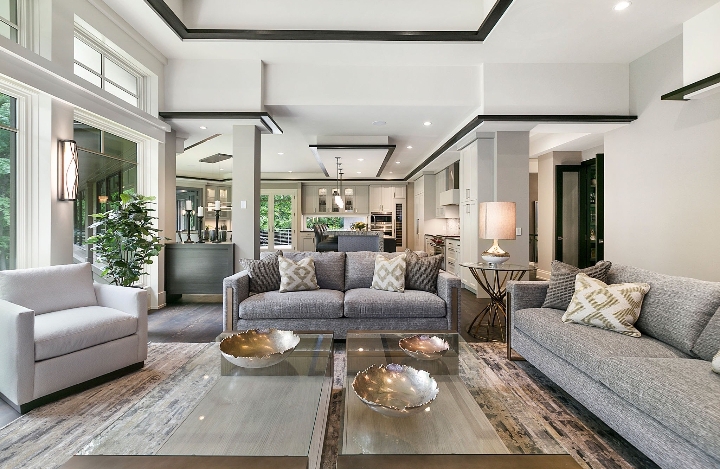
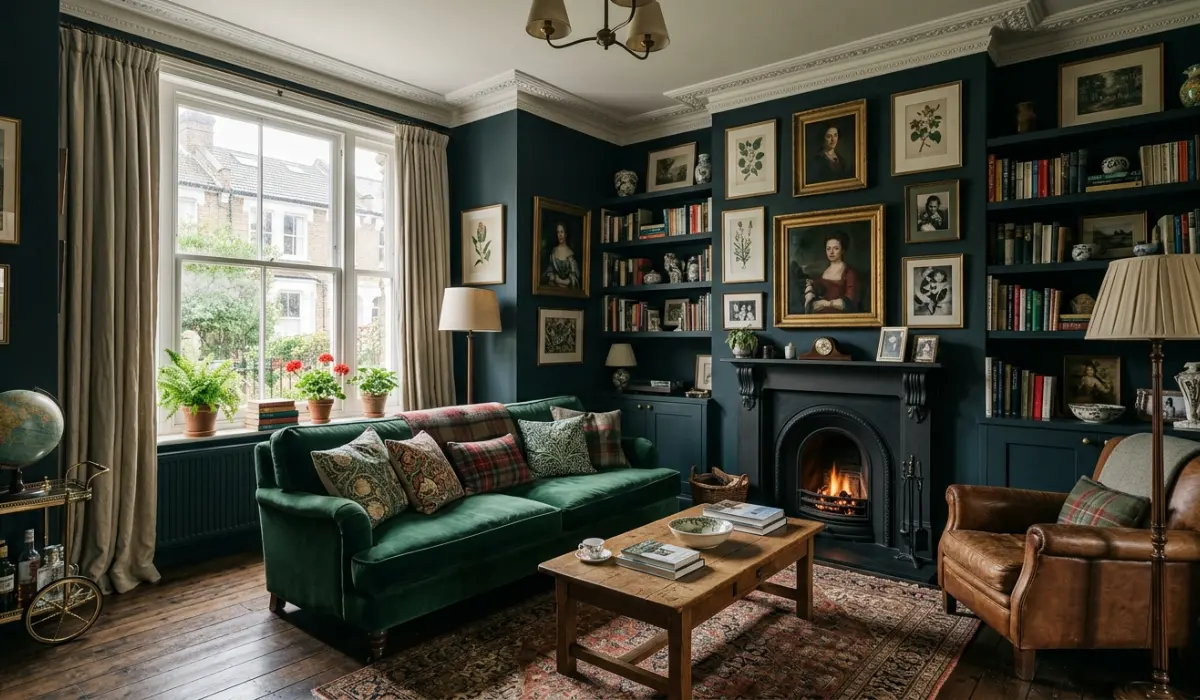
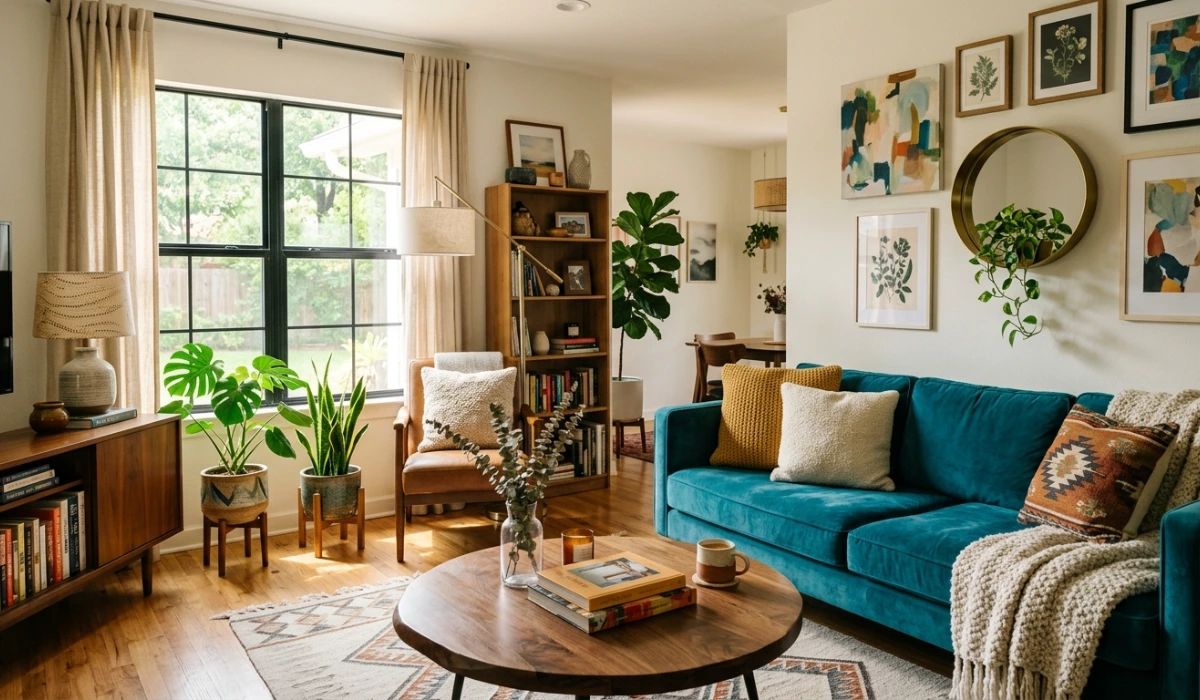
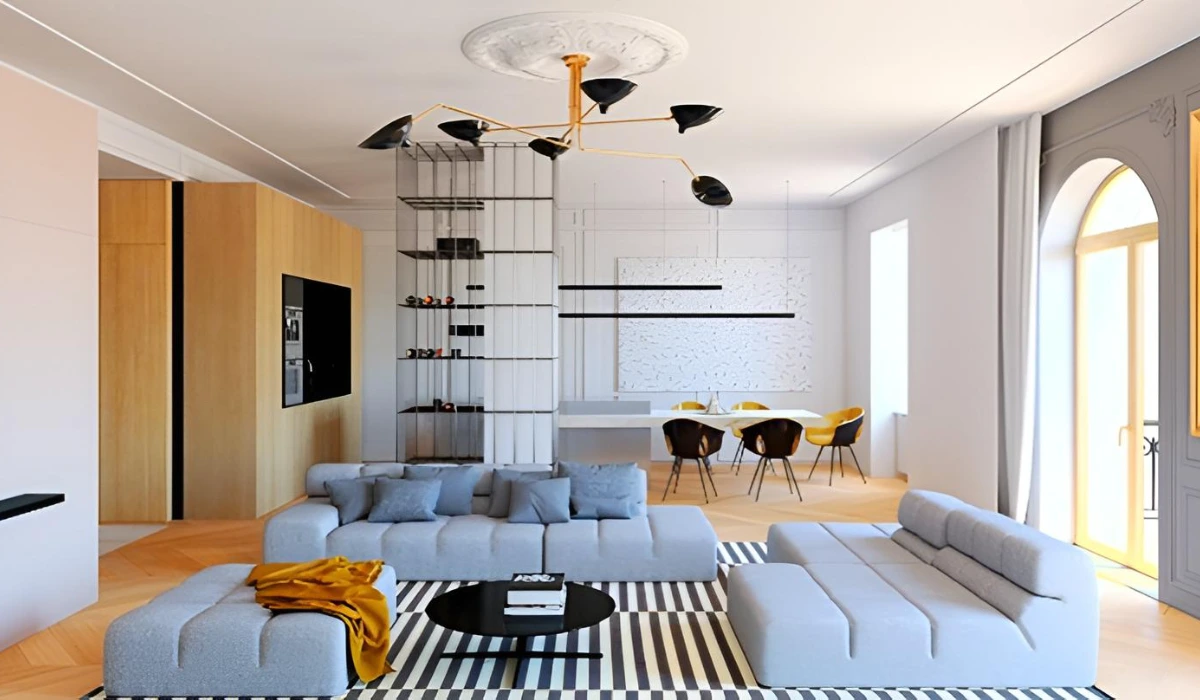
The most noticeable interior design trend in 2026 is the movement toward homes that feel warmer, more personal, tactile, and comfortable rather than overly polished or sterile. Designers are increasingly combining natural materials, softer silhouettes, earthy colors, layered lighting, and meaningful decorative pieces to create interiors that work for everyday life.
Instead of copying a complete showroom aesthetic, homeowners can select individual elements that suit their architecture, lifestyle, budget, and maintenance needs. This approach makes modern interior design more adaptable and prevents a home from looking dated when a particular micro-trend disappears.
1. Warm Minimalism Is Replacing Cold, Sterile Interiors
Warm minimalism is one of the most practical directions within the current interior design trend landscape. It keeps the clean organization associated with minimalism but introduces warmer colors, timber, stone, woven fabrics, ceramics, and softer lighting.
The objective is not to remove everything from a room. It is to reduce visual clutter while giving the remaining furniture and materials enough texture and character to make the space feel comfortable.
How to Create Warm Minimalism
Start with a restrained foundation such as warm white, cream, beige, mushroom, taupe, or soft clay. Then introduce natural wood, linen curtains, textured upholstery, handmade ceramics, and a small number of carefully selected accessories.
Avoid making every surface identical. Subtle differences in grain, fabric, sheen, and texture create depth without requiring excessive decoration.
2. Natural Materials Are Becoming Design Features
Natural materials are moving beyond small decorative accents and becoming important architectural components. Timber, natural stone, rattan, linen, wool, clay, plaster, and handcrafted ceramics can all introduce visual and tactile variation.
This is particularly useful when the color palette is restrained. A neutral room can still look sophisticated when several materials have different textures and finishes.
Choosing Materials That Actually Work
When selecting materials, consider more than appearance. Ask how frequently the surface will be touched, exposed to moisture, cleaned, scratched, or exposed to sunlight.
For example, a delicate textile may be appropriate for decorative cushions but less practical for a heavily used dining chair. Material selection should therefore balance aesthetics, durability, maintenance, and cost.
3. Curved Furniture Softens Modern Floor Plans
Rounded sofas, oval coffee tables, curved chairs, arched mirrors, and softly shaped lighting are becoming increasingly visible in contemporary interiors. This interior design trend introduces organic forms into rooms that might otherwise contain many straight architectural lines.
Curves can also help create a more conversational furniture arrangement. Rather than pushing every piece against a wall, homeowners can use rounded furniture to define a seating zone within an open-plan room.
How to Use Curves Without Overdoing Them
You do not need an entire room of circular furniture. One curved sofa, an oval table, or an arched mirror can act as a visual counterpoint to rectangular windows, cabinets, and walls.
A useful strategy is to combine curved and straight forms. This creates contrast and keeps the room from becoming visually predictable.
4. Biophilic Design Goes Beyond Adding Houseplants
Biophilic interior design remains an important part of the interior design trend because it focuses on creating stronger connections between indoor spaces and nature.
Plants are only one part of the concept. Natural daylight, timber, stone, organic shapes, nature-inspired colors, ventilation, views of greenery, and natural textures can all contribute to a more nature-oriented interior.
Practical Biophilic Design Ideas
Consider:
- Maximizing natural daylight where possible
- Using timber or stone as feature materials
- Adding indoor plants appropriate for the available light
- Choosing earthy greens, browns, clay, and sand tones
- Using woven textures and natural fabrics
- Positioning seating toward gardens, windows, or outdoor views
The strongest result comes from treating nature as part of the overall design rather than adding a few plants after the room is finished.
5. Layered Lighting Is More Important Than a Single Ceiling Fixture
Lighting can completely change how materials, colors, and furniture are perceived. One of the most useful developments in modern interior design trend planning is the move from single-source lighting toward layered illumination.
A well-designed room normally benefits from a combination of ambient, task, and accent lighting. Each layer serves a different purpose.
Ambient, Task, and Accent Lighting
Ambient lighting provides general illumination throughout the room. Ceiling fixtures, recessed lights, indirect lighting, and wall-mounted fixtures can perform this role.
Task lighting provides focused illumination for activities such as reading, cooking, studying, or working. Desk lamps, under-cabinet lighting, and reading lights are common examples.
Accent lighting highlights architectural features, artwork, shelves, plants, or textured walls. Using all three layers creates greater flexibility than relying on one bright ceiling fixture.
6. Earthy Colors Are Creating Warmer Residential Spaces
Cool gray interiors have increasingly been challenged by warmer palettes. Earthy colors such as terracotta, olive, clay, sand, caramel, warm beige, muted brown, and deep green can make rooms feel more grounded.
The modern interior design trend is not necessarily about using every earthy shade at once. A better approach is to establish one dominant neutral and introduce complementary colors through furniture, textiles, artwork, or architectural details.
Color Drenching With More Control
Color drenching involves carrying a similar color across multiple surfaces, potentially including walls, trim, cabinetry, or ceilings. When used carefully, it can make a room feel more cohesive and immersive.
For smaller spaces, however, test the color under both daytime and artificial lighting before committing. The same paint can appear significantly different depending on orientation, bulb temperature, and surrounding materials.
7. Textured Walls Add Depth Without More Furniture
Walls are increasingly being treated as an active part of the interior rather than simply a background. Limewash-style finishes, textured plaster, wood paneling, decorative molding, wallpaper, and other tactile treatments can add architectural character.
This can be especially valuable in minimalist rooms where furniture and accessories are intentionally limited.
Choosing a Wall Treatment
A wall treatment should relate to the architecture of the room. Decorative molding may work beautifully in a traditional or transitional interior, while plaster textures can complement organic modern spaces.
Before installing a permanent treatment, consider how it will interact with doors, windows, electrical outlets, furniture placement, and future repainting.
8. Vintage and Contemporary Pieces Are Being Mixed Together
Another significant interior design trend is the combination of new furniture with vintage, antique, inherited, or secondhand pieces. The goal is not to make the entire home look historically themed.
Instead, older objects can introduce variation, patina, craftsmanship, and personal history into an otherwise contemporary room.
A modern sofa paired with an older wooden table, vintage artwork, or an antique-style cabinet can create considerably more character than purchasing an identical furniture set for every room.
9. Statement Stone Is Becoming a Focal Point
Natural stone can serve as more than a countertop material. Dramatic stone surfaces are increasingly being used for fireplaces, kitchen islands, bathroom walls, tables, backsplashes, and architectural features.
Marble, travertine, limestone, and other stones can create strong visual interest because each slab or surface has its own pattern and variation.
Where Statement Stone Makes Sense
Use a visually distinctive stone where you want a clear focal point. A kitchen island or fireplace surround can carry a strong material without requiring numerous additional decorative elements.
For high-use areas, investigate porosity, sealing requirements, staining resistance, heat tolerance, and cleaning recommendations before selecting a material.
10. Personal Collections Are Replacing Generic Decoration
A home should communicate something about the people who live there. That is why personalized artwork, books, travel objects, family pieces, handmade ceramics, photographs, and collected items are becoming more important.
This direction moves away from rooms where every decorative object appears selected from the same showroom.
How to Personalize a Room Without Creating Clutter
Choose a limited number of meaningful pieces and give them enough visual space. A single large artwork can sometimes have more impact than filling an entire wall with small decorations.
Display objects according to scale and composition rather than simply placing everything you own on available shelves.
11. Sculptural Lighting Can Function as Art
Lighting fixtures are increasingly being selected for their visual form as well as their function. Oversized pendants, sculptural table lamps, artistic wall lights, and distinctive chandeliers can become focal points.
This is particularly effective in dining rooms, bedrooms, entryways, and living areas where a fixture can anchor the composition.
However, decorative lighting should still provide suitable illumination. A beautiful fixture that creates glare, insufficient light, or difficult maintenance can become frustrating in daily use.
12. Traditional Architectural Details Are Returning
Another interesting interior design trend is the renewed interest in details that were previously considered old-fashioned. Crown molding, picture-frame molding, chair rails, paneling, dressed windows, and decorative trim are being reinterpreted for contemporary homes.
These elements can add proportion and depth to new construction, especially where rooms have plain drywall surfaces.
The key is restraint. Traditional details do not have to be reproduced exactly as they appeared historically; they can be simplified to complement modern furniture and lighting.
13. Kitchens Are Becoming More Integrated With Living Spaces
Modern kitchens increasingly need to function as cooking areas, social spaces, storage zones, and sometimes informal work areas. This has increased interest in integrated cabinetry, concealed storage, multifunctional islands, and visually quieter appliances.
An important interior design trend here is reducing unnecessary visual interruption. Cabinetry can be designed to conceal appliances or storage so the kitchen connects more naturally with adjoining living areas.
Design the Kitchen Around Workflow
A beautiful kitchen still needs an efficient working pattern. Consider the relationship between the refrigerator, sink, preparation surface, cooking zone, storage, and frequently used appliances.
The best layout depends on the household and room dimensions, so trend-driven choices should never override basic ergonomic requirements.
14. Bedrooms Are Becoming Calmer and More Layered
Bedroom design is shifting toward comfort rather than excessive decoration. Upholstered headboards, soft bedding, warm lighting, curtains, rugs, natural materials, and restrained color palettes can create a more relaxing environment.
Instead of filling the bedroom with numerous accessories, focus on tactile materials and lighting that can be adjusted for different times of day.
A Practical Bedroom Layering Formula
Combine a comfortable bed, useful bedside lighting, appropriate window treatments, a rug or soft floor surface, and a few personal objects. These elements can establish visual warmth without overcrowding the room.
15. Small Homes Need Flexible Interior Design
A major content gap in many trend articles is that they discuss large, beautifully photographed rooms without explaining how homeowners with smaller spaces can use the same ideas.
In compact homes, furniture scale and circulation are more important than simply following an aesthetic. A large curved sofa may look impressive online but become impractical if it blocks a doorway or reduces walking space.
Better Solutions for Small Spaces
Use furniture that performs more than one function, such as storage ottomans, extendable tables, nesting tables, or built-in cabinetry. Mirrors, consistent flooring, appropriate lighting, and visually lighter furniture can also help maintain a sense of openness.
The goal is not to make every small room minimalist. It is to make every item earn its place.
16. Sustainable Materials Are Becoming More Important
Sustainability is increasingly influencing material selection, furniture purchasing, and renovation decisions. Instead of replacing everything whenever a new interior design trend appears, homeowners can choose durable materials and adaptable pieces that can remain useful for years.
Repairable furniture, responsibly sourced timber, natural materials, vintage pieces, and long-lasting finishes can reduce the need for frequent replacement.
Sustainability should also include longevity. A product does not necessarily become a sustainable choice simply because it is marketed as “eco-friendly” if it needs frequent replacement.
17. How to Combine 2026 Trends Without Making Your Home Look Dated
Following every interior design trend simultaneously can create visual confusion. A better approach is to establish a permanent foundation and introduce trends through elements that can be changed more easily.
Use This Simple Design Hierarchy
| Design Layer | Recommended Approach | Why It Matters |
| Architecture | Keep major features practical and timeless | Expensive to change |
| Flooring | Choose durable, versatile materials | Receives daily wear |
| Main furniture | Prioritize comfort and proportion | Used every day |
| Paint | Use adaptable colors | Relatively easy to update |
| Lighting | Combine function with visual character | Changes atmosphere |
| Textiles | Experiment with texture and pattern | Easy to replace |
| Accessories | Add personality and seasonal trends | Lowest commitment |
This approach allows you to enjoy a contemporary home without rebuilding the room whenever design preferences change.
What Should You Avoid When Following an Interior Design Trend?
Not every popular idea deserves a permanent place in your home. Some micro-trends can have extremely short lifespans, so expensive architectural changes should be evaluated more carefully than easily replaceable accessories.
Avoid designing an entire house around a single social-media aesthetic. Instead, ask whether the color, material, furniture shape, or decorative element supports the way you actually live.
Warning Signs of a Poor Trend Choice
- The material requires more maintenance than you can realistically provide.
- Furniture blocks circulation or reduces usable space.
- The design looks good only under photographic lighting.
- A permanent renovation is being made for a temporary trend.
- The room contains too many competing focal points.
- The style does not match the home's architecture.
How to Choose the Right Interior Design Trend for Your Home
Before purchasing anything, evaluate the room itself. Measure the available space, identify natural light conditions, consider existing finishes, and determine how the room is actually used.
Then select one dominant direction and two or three supporting elements. For example, warm minimalism can be combined with natural wood, curved furniture, and layered lighting without requiring every surface to follow a separate trend.
A Simple Decision Checklist
Ask yourself:
- Does this idea improve how the room functions?
- Will the material withstand everyday use?
- Does it work with the existing architecture?
- Can I maintain it easily?
- Is it appropriate for the room's natural lighting?
- Can I update it later without major renovation?
- Does it reflect my personal taste?
If the answer to most of these questions is yes, the trend is more likely to work as part of a long-term interior rather than a temporary visual experiment.
Interior Design Trend: Pros and Cons of Following Current Styles
| Advantages | Potential Drawbacks |
| Provides fresh design inspiration | Some trends disappear quickly |
| Helps discover new materials and layouts | Trend-driven purchases can become expensive |
| Encourages experimentation | Too many trends can create visual clutter |
| Can improve outdated spaces | Some materials require specialized maintenance |
| Makes renovation planning easier | Social-media trends may not suit every home |
The best strategy is selective adoption. Use current ideas as inspiration, then adapt them to your home's proportions, climate, lifestyle, budget, and maintenance requirements.
Frequently Asked Questions
What is the most popular interior design trend in 2026?
Warm, natural, personalized interiors are among the strongest directions in 2026. Warm minimalism, natural materials, curved forms, biophilic elements, layered lighting, earthy colors, and tactile finishes are appearing across contemporary residential design.
Are gray interiors going out of style?
Cool gray is no longer the only dominant neutral. Warmer neutrals, earthy colors, cream, taupe, clay, brown, olive, and other nature-inspired tones are increasingly being used to create more layered interiors.
Is curved furniture still an interior design trend?
Yes. Curved sofas, rounded chairs, oval tables, arches, and soft-edged furniture continue to appear in contemporary interiors. The most practical approach is to use curves selectively rather than making every object rounded.
How can I follow an interior design trend on a small budget?
Start with inexpensive and replaceable elements such as paint, cushions, artwork, lamps, curtains, rugs, and accessories. Avoid making expensive structural changes simply to follow a short-term trend.
What materials are popular in modern interior design?
Natural timber, stone, linen, wool, rattan, ceramics, textured plaster, and other tactile materials are popular because they add depth and warmth. The appropriate material depends on the room's use, moisture exposure, maintenance requirements, and budget.
How do I make my home look modern without making it feel cold?
Combine clean lines with warm lighting, natural materials, textured fabrics, earthy colors, plants, artwork, and personal objects. Modern design does not require an all-white palette or completely empty surfaces.
Should every room follow the same interior design trend?
No. A home benefits from visual continuity, but individual rooms can have different personalities. Repeating a few materials, colors, or design principles throughout the house is usually enough to create cohesion.
Which design trends are easiest to change later?
Paint colors, cushions, rugs, curtains, artwork, lamps, and decorative accessories are relatively easy to replace. Flooring, cabinetry, built-in features, countertops, and architectural modifications require much more planning.
Conclusion
The most useful interior design trend is not necessarily the one receiving the most attention online; it is the idea that improves your home while remaining practical for everyday life. In 2026, warmer palettes, natural materials, organic curves, layered lighting, biophilic design, tactile surfaces, vintage accents, and personalized decoration are helping interiors become more comfortable and individual.
Rather than copying a complete trend package, build your rooms around durable foundations and introduce contemporary ideas selectively. When functionality, proportion, material performance, lighting, and personal taste work together, the result can feel current without becoming dependent on a short-lived decorating fad.
James Anderson
Passionate about transforming houses into inspired homes. Writing about practical DIY guides, interior design, and outdoor living.