Interior Decoration: Smart Ideas for a Stylish and Functional Home
James Anderson
Editorial Contributor
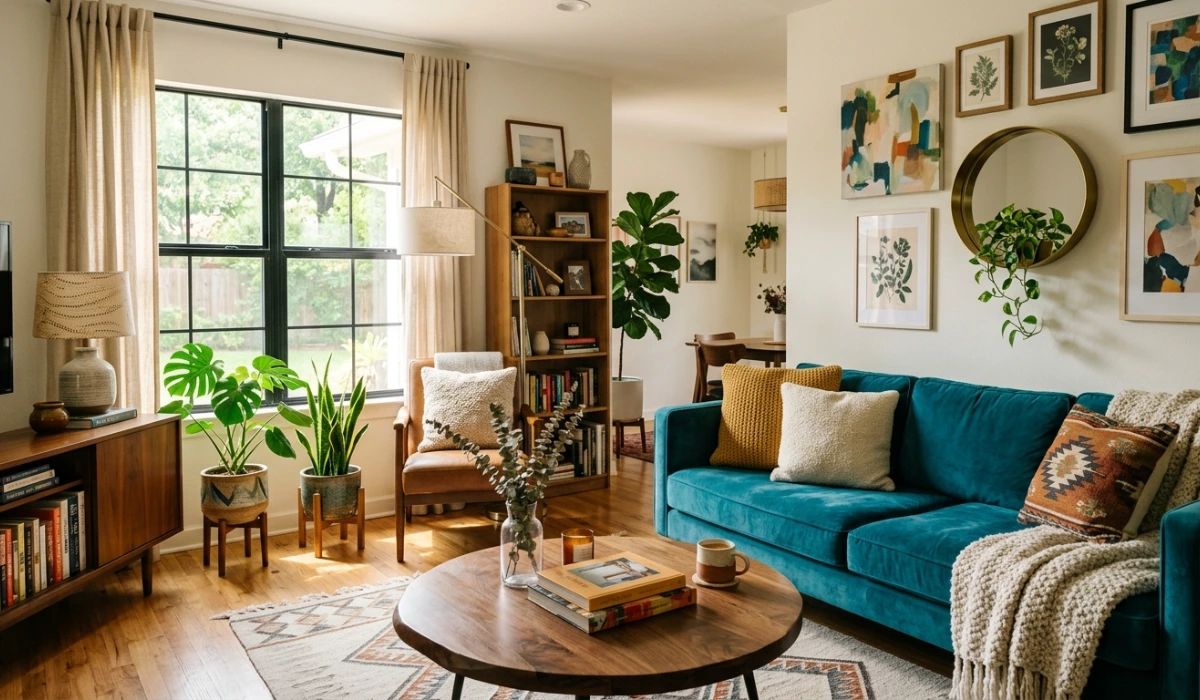
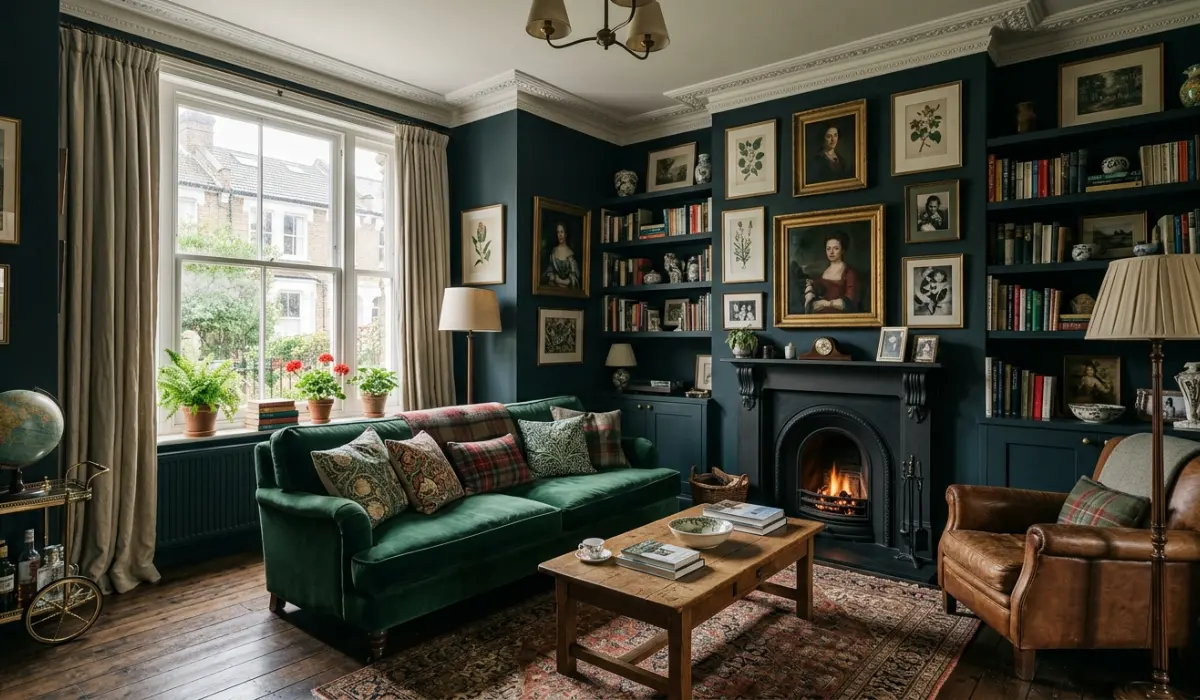
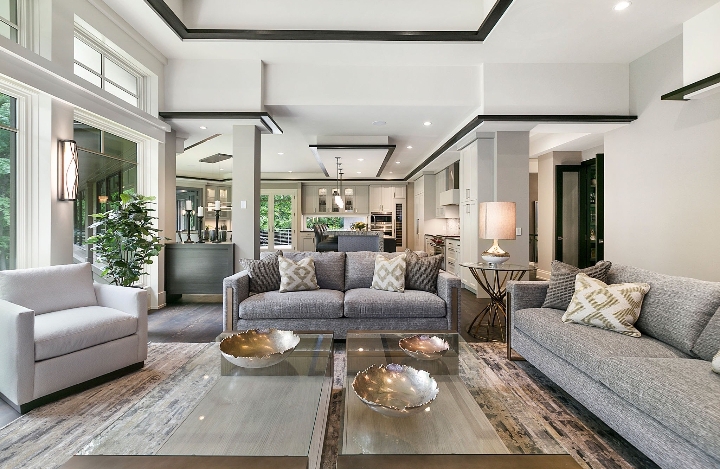
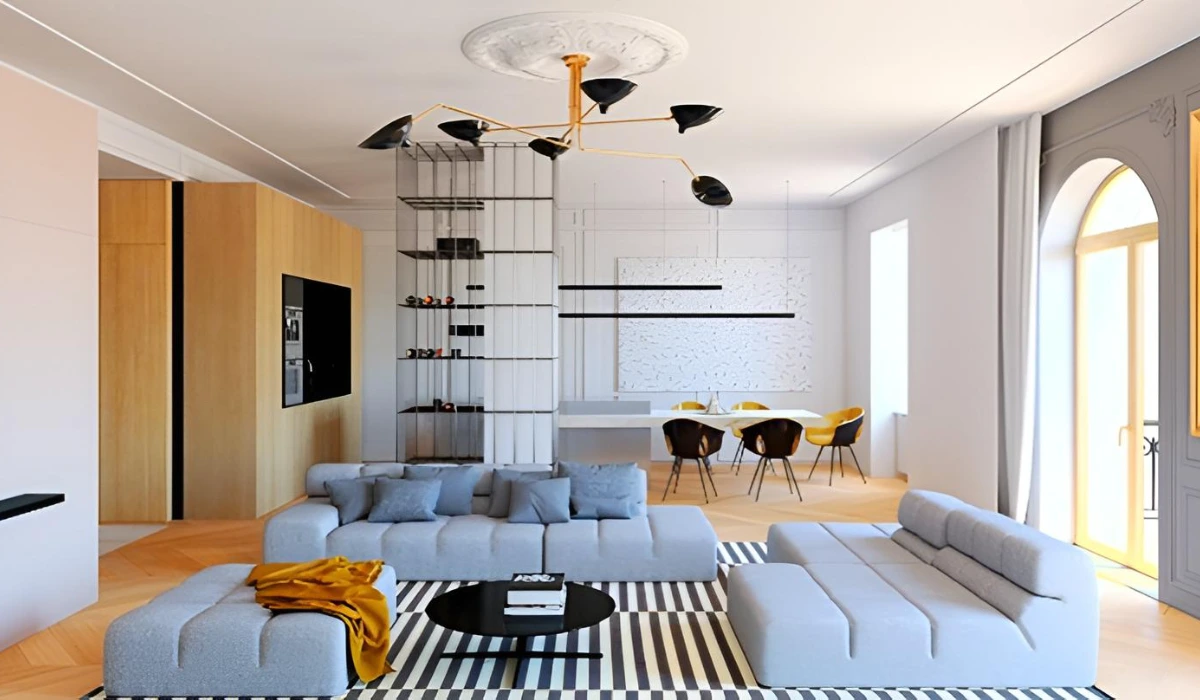
A beautiful homemaxe is not created simply by purchasing expensive furniture or following every new trend. Interior decoration combines color, furniture, lighting, textures, materials, accessories, and spatial organization to create rooms that feel attractive and comfortable.
The most effective approach begins with how people actually use a space. When appearance and functionality are planned together, even a modest room can feel organized, spacious, and visually sophisticated without requiring major construction.
What Is Interior Decoration?
Interior decoration is the process of improving an interior's appearance, atmosphere, comfort, and visual organization through carefully selected decorative elements. These can include wall colors, furniture, rugs, curtains, artwork, mirrors, lighting fixtures, plants, and accessories.
It is different from structural remodeling because the focus is generally on the existing space and its finishes. However, good decorating still requires careful consideration of dimensions, circulation, lighting, materials, and everyday requirements.
Interior Decoration vs. Interior Design
Interior design can involve space planning, architectural elements, technical requirements, and construction decisions. Decoration focuses more heavily on the visual appearance and finishing details of an existing interior.
The two disciplines can overlap. For example, furniture placement and lighting may be decorative decisions, but they also influence how efficiently people move through and use a room.
Start With Function Before Style
Before selecting a paint color or decorative accessory, decide what the room needs to accomplish. A family living room may require durable upholstery and flexible seating, while a home office needs appropriate task lighting and a comfortable workstation.
Think about daily activities, movement patterns, storage needs, and the people who will use the room. This prevents a common mistake: choosing beautiful items that ultimately make the space difficult to use.
Measure Everything Before Buying
Take measurements of walls, windows, doors, ceiling height, and fixed architectural features. Large furniture should also be measured against entrances, hallways, stairways, and elevators.
This simple step can prevent expensive purchasing mistakes, particularly when dealing with large sofas, wardrobes, beds, dining tables, or built-in furniture.
Establish a Focal Point
A focal point gives a room visual direction. It could be a fireplace, artwork, statement light, architectural feature, media wall, or attractive exterior view.
Arrange surrounding elements so they support the focal point rather than competing with it. A room becomes easier to visually understand when attention has a clear destination.
Build a Coordinated Color Palette
Color influences the perceived temperature, size, and mood of an interior. Light shades can create an airy feeling, while deeper colors can add richness and contrast.
Instead of selecting colors independently, create a complete palette. Choose a dominant shade, supporting colors, and a small number of accents that can be repeated through furniture, textiles, artwork, and accessories.
Consider Natural Light
Paint and material colors can change considerably throughout the day. A shade that looks soft in a showroom may appear much stronger under direct sunlight or noticeably cooler under artificial lighting.
Test samples in the actual room and observe them during different lighting conditions before making a final decision.
Layer Your Lighting
Lighting is an essential part of interior decoration because it affects both function and atmosphere. A room that looks attractive during daylight can feel completely different after sunset if its lighting is poorly planned.
A layered system normally combines three types:
- Ambient lighting for overall illumination.
- Task lighting for reading, cooking, studying, grooming, and working.
- Accent lighting for artwork, shelves, plants, and architectural features.
Using multiple light sources creates greater flexibility than depending entirely on one ceiling fixture.
Choose Fixtures According to Scale
Lighting fixtures should relate to the room's dimensions. A very large chandelier can dominate a compact dining area, while a tiny pendant may look lost in a spacious room.
Consider ceiling height, furniture proportions, room size, and the fixture's visual weight before installation.
Select Furniture for Scale and Comfort
Furniture is one of the most noticeable components of interior decoration, so its proportions should match the room. A large sectional may be suitable for an open living area but can restrict movement in a compact space.
Comfort should also remain a priority. A visually impressive chair or sofa is not a successful choice if it is uncomfortable for everyday use.
Create Clear Circulation
People should be able to move naturally between doors, seating, storage, and other frequently used areas. Avoid creating narrow passages or positioning furniture where drawers and doors cannot open properly.
Furniture does not always need to be pushed against the walls. In larger rooms, creating a central seating arrangement can make the space feel more intentional and welcoming.
Add Texture and Material Contrast
Color is only one part of a room's visual character. Texture introduces depth and prevents neutral interiors from feeling flat.
Consider combining wood, linen, wool, ceramic, glass, stone, metal, leather, and woven materials. Contrasting surfaces can create interest even when the color palette remains restrained.
Balance Hard and Soft Surfaces
Hard materials such as stone, glass, and metal can provide structure, while rugs, curtains, upholstery, and cushions add softness.
The goal is balance rather than using as many materials as possible. Too many unrelated finishes can make an interior feel disconnected.
Use Walls as Design Opportunities
Walls provide valuable space for expressing personality. Artwork, mirrors, photographs, shelving, wall molding, textured finishes, and carefully selected paint can transform a room without consuming floor space.
However, every wall does not need decoration. Empty space can provide visual breathing room and make important features more noticeable.
Arrange Artwork With Proportion in Mind
Artwork should relate to the wall and furniture beneath it. A very small picture over a large sofa may look disconnected, while an oversized piece can overwhelm a narrow wall.
For gallery arrangements, maintain consistent spacing and create relationships between pieces through color, subject, framing, or style.
Make Small Rooms Feel More Spacious
Small spaces require careful control of furniture size, visual weight, and clutter. Oversized furniture and excessive accessories can make a compact room feel even smaller.
Use appropriately scaled pieces, maintain clear pathways, and avoid blocking natural light. Mirrors, lighter furniture profiles, and strategic lighting can help create a greater sense of openness.
Use Vertical Space
When floor space is limited, make better use of the walls. Tall shelving, full-height curtains, vertical storage, and strategically placed artwork can draw attention upward.
Built-in storage can also take advantage of unused wall areas while keeping the floor relatively clear.
Create Cohesion in Open-Plan Homes
Open-plan spaces need a visual relationship between different functional zones. The kitchen, dining area, and living room do not have to look identical, but they should share selected design elements.
Repeating a wood tone, accent color, metal finish, textile, or material can connect the different areas and create a more unified appearance.
Define Zones Without Building Walls
Rugs, furniture placement, lighting fixtures, and console tables can visually separate areas without reducing the openness of the floor plan.
For example, a rug can establish the living area while a pendant light can visually anchor the dining zone.
Choose Rugs Based on Furniture
A rug can make furniture feel connected rather than scattered throughout the room. A rug that is too small may look like an isolated accessory instead of part of the overall arrangement.
Consider the furniture dimensions, room traffic, material durability, cleaning requirements, and desired level of softness before selecting a rug.
Bring Natural Elements Indoors
Plants, timber, stone, woven fibers, and natural fabrics can introduce organic character. These elements can soften rooms that contain many straight lines or hard surfaces.
Choose plants according to available sunlight and maintenance requirements. Where living plants are unsuitable, natural wood, dried branches, botanical artwork, and woven accessories can provide similar visual qualities.
Improve Storage Without Sacrificing Style
Good storage is an important part of interior decoration because clutter can quickly reduce the visual quality of a carefully planned room.
Closed cabinetry is useful for everyday items that need to remain hidden, while open shelving can display books, ceramics, artwork, and selected decorative objects.
Choose Multifunctional Furniture
Storage ottomans, beds with drawers, benches with compartments, nesting tables, and built-in cabinets can provide additional storage without consuming unnecessary floor space.
Choose storage according to actual needs rather than purchasing decorative storage that eventually becomes another source of clutter.
Add Personality Through Accessories
Accessories make a home feel personal. Books, photographs, artwork, plants, ceramics, travel objects, and meaningful possessions can tell a story about the people who live there.
Instead of scattering many small objects around the room, group selected pieces according to size, material, or color. This creates stronger visual arrangements.
Avoid Excessive Decorative Clutter
Not every shelf, table, or countertop needs to be full. Negative space helps important objects stand out and keeps the overall room easier to maintain.
After decorating, step back and remove anything that feels unnecessary, repetitive, or visually distracting.
Sustainable Decorating Choices
Sustainable interior decoration does not necessarily mean replacing everything with expensive environmentally focused products. Existing furniture can often be repaired, refinished, repainted, rearranged, or reupholstered.
When purchasing something new, consider durability, material quality, repairability, and expected lifespan. Choosing products that remain useful for years can reduce unnecessary replacement.
Common Decorating Mistakes to Avoid
Even attractive products can produce an unsuccessful result when they are used without considering the complete room.
Avoid these common mistakes:
- Buying furniture without measuring.
- Using too many unrelated colors.
- Depending on a single light source.
- Choosing undersized rugs.
- Ignoring artwork scale.
- Filling every wall and surface.
- Neglecting storage.
- Choosing style over comfort.
- Mixing too many competing patterns.
- Following trends without considering the home's architecture.
A Practical Decorating Process
A structured approach can make interior decoration easier and more cost-effective.
Step 1: Assess the Existing Space
Identify the room's strengths and weaknesses. Consider natural light, flooring, architectural features, existing furniture, storage, and circulation.
Step 2: Define the Room's Purpose
Determine what activities will take place there. This should guide your furniture, lighting, storage, and material decisions.
Step 3: Establish the Color Palette
Select the primary color family and supporting shades before purchasing multiple decorative products. This reduces the risk of mismatched choices.
Step 4: Plan Major Furniture
Measure the room and create a practical furniture arrangement before purchasing large items.
Step 5: Build the Lighting Scheme
Combine ambient, task, and accent lighting according to the room's activities and atmosphere.
Step 6: Introduce Texture
Add rugs, curtains, upholstery, wood, ceramics, metal, glass, and natural materials to create visual depth.
Step 7: Add Decorative Details
Finish with artwork, plants, mirrors, books, cushions, and meaningful accessories.
Step 8: Edit the Finished Room
Remove unnecessary objects and check whether furniture, lighting, colors, and accessories work together as one composition.
Interior Decorating Elements at a Glance
| Element | Main Purpose | Key Consideration |
| Color | Establishes mood | Lighting and room size |
| Furniture | Provides comfort | Scale and circulation |
| Lighting | Supports function | Layering and placement |
| Rugs | Defines zones | Size and furniture layout |
| Artwork | Adds personality | Scale and positioning |
| Storage | Controls clutter | Capacity and accessibility |
| Textiles | Adds softness | Durability and maintenance |
| Plants | Adds natural character | Light and care |
How to Create a More Sophisticated Home
A sophisticated interior does not necessarily require expensive products. Consistent proportions, coordinated colors, layered lighting, quality-looking materials, and uncluttered surfaces can produce a polished appearance.
Pay attention to small details such as curtain length, furniture alignment, visible cables, hardware finishes, and spacing between decorative objects. These details often have a surprisingly strong effect on the finished room.
Frequently Asked Questions
What is the main purpose of interior decoration?
Its main purpose is to improve the appearance, comfort, atmosphere, and organization of a space while supporting the activities performed there.
How can I decorate my home on a small budget?
Start with high-impact changes such as rearranging furniture, improving lighting, repainting walls, changing textiles, reducing clutter, and adding a few carefully selected accessories.
How many colors should I use in a room?
There is no fixed rule. A dominant shade combined with supporting colors and restrained accents usually provides an easier foundation for a cohesive room.
How can I make a small room look larger?
Use appropriately sized furniture, maintain clear circulation, maximize vertical storage, improve lighting, and limit unnecessary visual clutter. Mirrors can also increase the perception of depth.
Does every room need the same decorating style?
No. Individual rooms can have their own character. Repeating selected colors, materials, finishes, or design details can provide continuity throughout the home.
What is the most common decorating mistake?
One frequent mistake is selecting individual products without considering the entire room. Furniture, color, lighting, scale, storage, and circulation should be planned as connected elements.
Conclusion
Effective interior decoration is not about filling a home with fashionable products. It is about creating a thoughtful relationship between beauty, comfort, function, proportion, lighting, materials, and personal character.
Start with the purpose of each room, establish a coordinated palette, choose furniture according to scale, layer the lighting, introduce varied textures, and finish with meaningful details. With careful planning and editing, a home can become stylish while remaining practical and comfortable for everyday life.
James Anderson
Passionate about transforming houses into inspired homes. Writing about practical DIY guides, interior design, and outdoor living.